

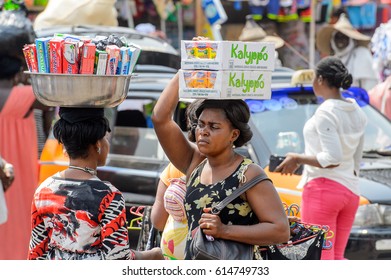
By Nelson Ayivor
The Managing Director of the International Monetary Fund (IMF), Kristalina Georgieva, has underscored the importance of strong economic policies in driving sustainable growth, stressing that good policies pay off.
Although her remarks were directed at emerging market economies broadly, the message carries deep relevance for Ghana which is also an emerging economy as it works to stabilise its economy and rebuild momentum following recent fiscal and debt challenges.
Speaking at the 2026 AlUla Conference for Emerging Market Economies in Saudi Arabia, Georgieva noted that emerging markets are currently growing at around 4 percent, far outpacing advanced economies, which are expanding at approximately 1.5 percent. She added that the share of emerging markets in the global economy has doubled since 2000 to more than 56 percent. For Ghana, this shift presents both opportunity and responsibility.
Ghana Within the Emerging Market Momentum
Ghana’s economy has experienced significant turbulence in recent years, marked by high inflation, currency depreciation, and debt restructuring. However, ongoing reforms supported by the IMF programme and domestic fiscal consolidation measures are gradually restoring macroeconomic stability.
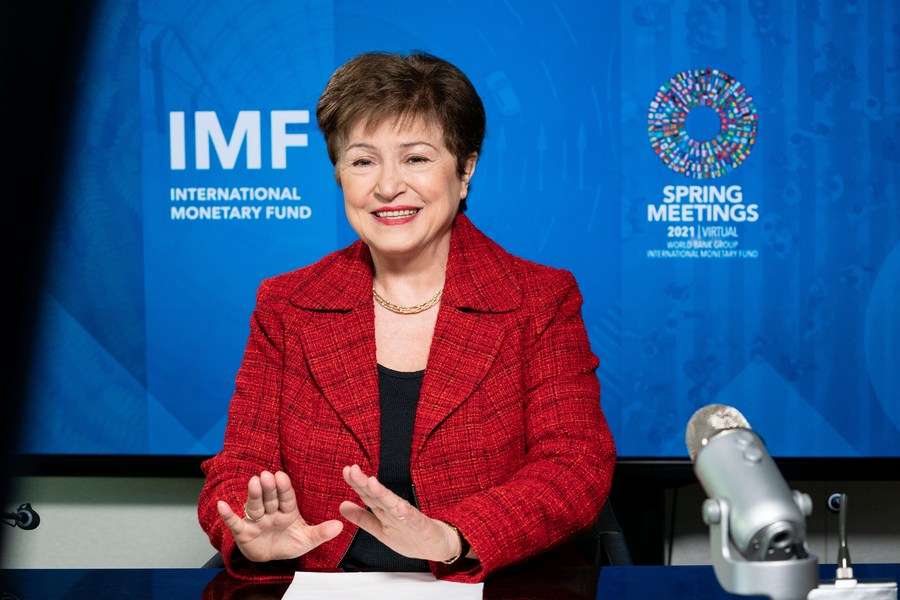
Georgieva’s central message that good policies pay off resonates strongly with Ghana’s current trajectory. The country has taken steps to strengthen monetary policy credibility, improve fiscal discipline, and enhance institutional governance. These measures align with IMF research showing that emerging markets today have more independent central banks, clearer inflation targets, and less reliance on foreign exchange interventions to absorb shocks.
For Ghana, the independence of the Bank of Ghana and its commitment to inflation targeting remain crucial anchors for economic confidence. Maintaining policy consistency will be essential in sustaining investor trust and stabilising the cedi.
A Note of Caution for Ghana
Despite the positive outlook for emerging markets, the IMF chief sounded a note of caution. Growth still lags pre pandemic trends, and countries face depleted fiscal buffers, high spending pressures, and rising debt levels. These warnings are particularly relevant for Ghana.
While Ghana’s economy is projected to recover gradually, fiscal pressures remain elevated. Public debt levels are still significant, and social spending demands continue to rise amid infrastructure deficits and youth unemployment. Ghana must therefore guard against complacency. Sustained reform implementation, prudent borrowing, and disciplined expenditure management are critical to preventing a relapse into instability.
The country’s experience in recent years highlights how quickly global shocks such as the pandemic and external financial tightening can erode economic buffers. Building resilience must remain a top priority.
Unleashing Private Sector Led Growth
One of the two major policy priorities outlined by Georgieva is unleashing private sector led growth. For Ghana, this message is clear. Long term prosperity cannot depend solely on government spending or external support. The private sector must be empowered to drive innovation, job creation, and productivity growth.
Cutting red tape, improving the ease of doing business, strengthening institutions, and deepening financial markets are critical steps. Ghana has made progress in digitalisation, tax administration reforms, and regulatory improvements. However, challenges persist in access to credit, energy reliability, and bureaucratic processes.
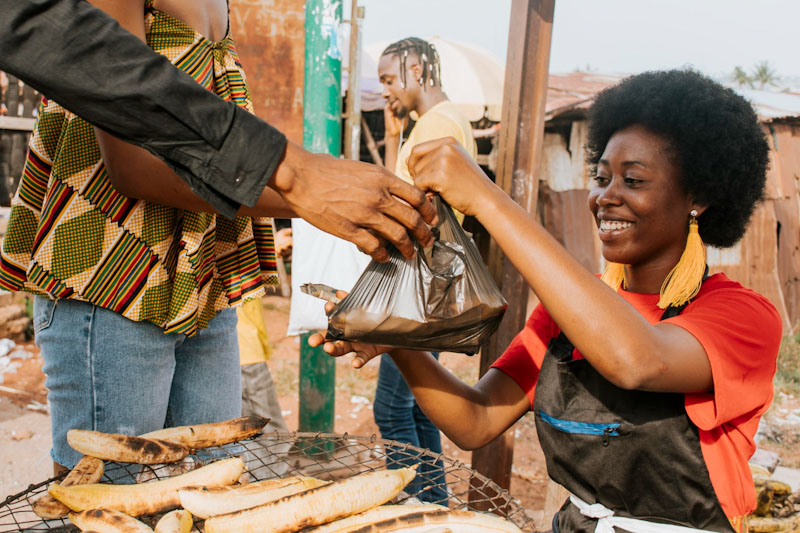
Small and medium enterprises form the backbone of Ghana’s economy. Supporting them through affordable financing, skills development, and export opportunities will be vital. Youth employment also demands urgent attention. Equipping young people with relevant skills for technology driven industries and value added manufacturing can unlock significant growth potential.
Private investment in agriculture, manufacturing, and digital services must be encouraged to diversify the economy beyond traditional exports such as cocoa and gold. A dynamic private sector will reduce unemployment and expand the tax base, strengthening fiscal sustainability.
Regional Integration as a Growth Engine
The IMF chief also emphasised the importance of deeper regional integration in a fragmented global economy. Ghana is well positioned to benefit from the African Continental Free Trade Area, which is headquartered in Accra.
Lowering trade barriers, improving logistics infrastructure, and enhancing cross border payment systems can expand Ghana’s export markets across Africa. Increased trade within the continent offers an opportunity to reduce dependence on volatile external markets while stimulating domestic production.
For Ghanaian businesses, regional integration means access to larger markets and greater economies of scale. This can attract foreign direct investment and encourage technology transfer.
Building Institutions for Long Term Stability
At the heart of Georgieva’s message is the importance of strong institutions. Independent central banks, credible fiscal rules, and transparent governance frameworks help economies withstand shocks. Ghana’s ongoing public financial management reforms and efforts to enhance accountability are therefore steps in the right direction.
Sustained political commitment to institutional strengthening will determine whether Ghana can convert short term stabilisation into long term prosperity. Policy consistency across electoral cycles is essential to reassure investors and citizens alike.
The global economy is uncertain, and external shocks remain a real threat. Yet emerging markets are increasingly shaping global growth, and Ghana has the potential to be part of this success story.
For Ghana, translating this into reality requires deepening reforms, empowering the private sector, strengthening institutions, and embracing regional integration.
If these priorities are pursued with determination and discipline, private sector growth will indeed become the key to Ghana’s future prosperity.