

As Mahama’s Audit Shadow Looms
By Gifty Boateng
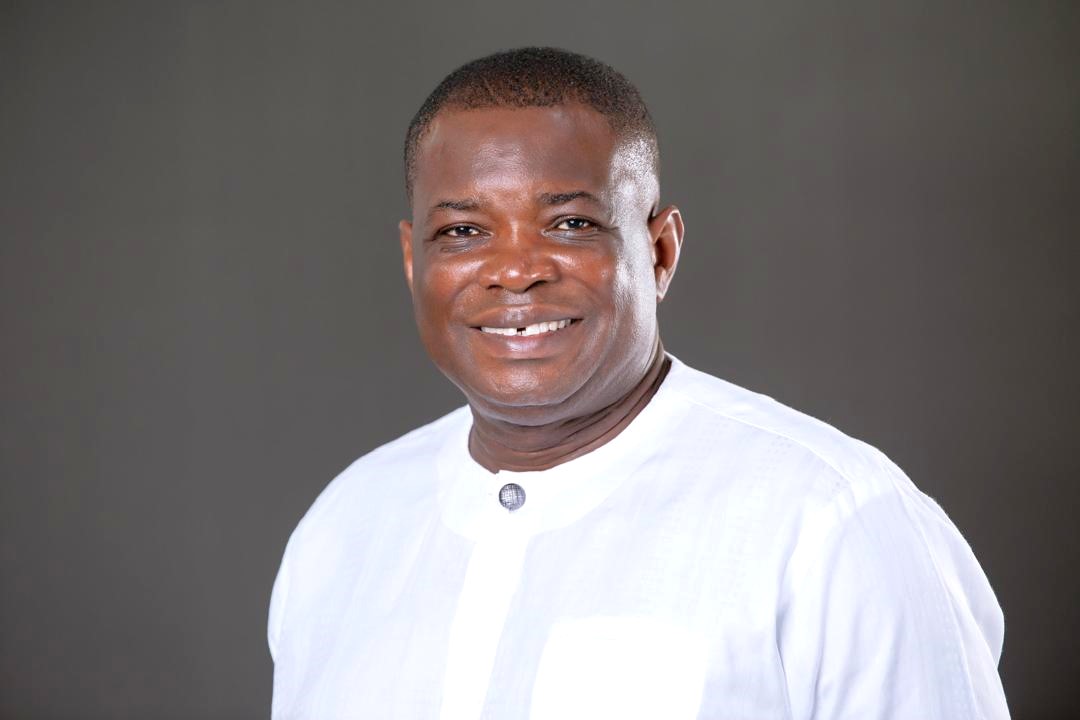
Roads Minister Governs Kwame Agbodza is walking a political tightrope, caught between a furious construction sector demanding payment and President John Mahama’s strict edict to prevent a repeat of past financial scandals.
The New Republic can reveal that the meticulous and sluggish validation of thousands of payment claims is the direct result of an explosive audit ordered by Mahama upon his return to office, which uncovered systemic duplicate payments to contractors under the previous administration.
In an exclusive interview, Agbodza admitted the process is tortuous but non-negotiable. “Even after the audit, we found certificates in our system already paid at the Government of Ghana level,” he told Africa Confidential.
“We are painstakingly cross-checking, one by one, to avoid paying twice. It is the only way to impose fiscal discipline.” He claims payments are flowing daily, with a GH¢1 billion disbursement from the Road Fund underway, following a GH¢10 billion injection from consolidated funds.
The minister’s assurances ring hollow for many of the over 2,000 contractors queuing for payment, some waiting years for sums as small as GH¢6,000. The chairman of the Ghana Chamber of Construction Industry,
Nana Opare Kwafo I, has already appealed for presidential intervention, citing “significant delays” despite allocations. The ministry still aims to settle approximately GH¢7 billion in outstanding Road Fund debts a staggering liability that threatens to collapse small and medium-sized firms.
Agbodza praises the “patriotism” of contractors keeping sites active, but this goodwill is fraying. The delay stems not from a lack of funds, he insists, but from the exhaustive due diligence required to satisfy Mahama’s crackdown.
In July 2025, the president vowed “decisive action” against contractors who benefited from duplicate payments, declaring that only those cleared by the Auditor-General’s report would be allowed back on site.
This has placed the Roads Ministry in the role of both paymaster and police, creating a bottleneck of distrust.
The arrears crisis is compounded by a vicious political fight over flagship projects, most notably the Suame Interchange in Kumasi. Agbodza has launched a blistering attack on his predecessor, Francis Asenso-Boakye, and the former NPP government, accusing them of “failing the people of the Ashanti Region.”
He claims the ongoing controversy over downsizing the interchange from four tiers to three would be moot had the project been completed by 2024 as promised.
“The fourth tier would have affected commercial buildings, the police station, and part of the Garden City Mall, with compensation costs exceeding 50% of the construction budget,” Agbodza stated.
He argues that the concurrent construction of the Kumasi Outer Ring Road a Mahama-era “Big Push” project has altered traffic models, reducing the need for the original grandiose design. The Ministry alleges the previous administration left a trail of incomplete land acquisition, unpaid compensation, and funding shortfalls.
The opposition NPP, led by MPs like the Bantama constituency’s representative, has framed the redesign as a betrayal of Ashanti development. Agbodza’s sharp retort signals that infrastructure will be a primary frontline in the coming parliamentary battles, with each side weaponising project delays and modifications.
This episode exposes the enduring dysfunction within Ghana’s road procurement and payment ecosystem. The need for such a forensic cleanup points to a legacy of loose financial controls and politically-driven contract awards. While Mahama’s audit aims to correct past abuses, its implementation is crippling cash flow for legitimate businesses, creating a paradoxical crisis of confidence.
The Ministry’s attempt to balance fiscal rectitude with economic necessity is fraught. The GH¢1 billion now trickling out may stave off total collapse for some, but the sheer scale of the arrears suggests sustained liquidity injections are needed. \
Furthermore, Agbodza’s political salvos over the Suame Interchange indicate that, for now, road policy remains subservient to partisan point-scoring. Contractors, caught in the crossfire, are left waiting their fates dependent on both ledger checks and the volatile climate of Ghana’s political road wars.