

By Prince Ahenkorah
The Ministry of Gender, Children and Social Protection is charting unfamiliar legal waters in its pursuit of a Russian national accused of circulating private images of young Ghanaian women without their consent. Minister Agnes Naa Momo Lartey has confirmed that extradition is “one of the key options on the table” as government seeks to hold the perpetrator accountable across international boundaries.
In an interview with the BBC, Lartey struck a careful balance between denouncing the act and protecting the victims from secondary stigmatization a recognition that in cases of image-based abuse, public discourse often compounds the harm.
“Firstly, let me condemn the act in no uncertain terms,” she stated. “However, while condemning the act, I will be careful not to condemn the victims so we don’t end up victimising them further.”
The extradition option, while viable, is procedurally complex. Ghana and Russia are not bound by a bilateral extradition treaty, meaning any formal request would rely on mutual legal assistance protocols and diplomatic channels. The Ministry is consulting with stakeholders including the victims themselves to determine the most effective legal strategy.
The case raises broader questions about Ghana’s capacity to combat cyber-enabled crimes with cross-border dimensions. While the Criminal Offences Act and the Cybersecurity Act provide domestic frameworks, their reach stops at the water’s edge. Extradition, where successful, would signal that Ghana is prepared to pursue justice beyond its borders.
Lartey is careful to frame justice expansively. “Justice in this case means holding the perpetrator accountable and also ensuring that we provide the necessary psychosocial support for these young women to help them recover and build a better future,” she said.
The Ministry is working to identify and reach all affected individuals, offering tailored support based on their circumstances. This dual-track approach legal accountability alongside victim rehabilitation reflects an understanding that prosecution alone cannot undo the harm of violated privacy.
Complicating the response is the information environment itself. The Minister acknowledged that some material circulating online may be inaccurate, and investigations are underway to establish the true facts. “What we’re going to do is to let the relevant ministries, departments and agencies go into the case and then investigate to ensure that we get the true story,” she explained.
The approach is deliberate: establishing an authoritative factual record before the court of public opinion reaches irreversible verdicts.
For observers of Ghana’s digital rights landscape, the case underscores the vulnerability of young women to image-based abuse and the limitations of existing legal remedies. The Cybersecurity Act criminalises the non-consensual sharing of intimate images, but enforcement remains uneven, and cross-border cases test the limits of domestic law.
The government’s willingness to pursue extradition signals a determination to treat such crimes with the seriousness they deserve. Whether diplomatic channels deliver the suspect to face justice in Ghana or whether Ghanaian authorities must rely on prosecution in the suspect’s home jurisdiction remains to be seen.
For the victims, the Minister’s message is one of solidarity. For the public, it is a reminder that in the digital age, privacy violated at home can echo across continents and that justice must increasingly do the same.
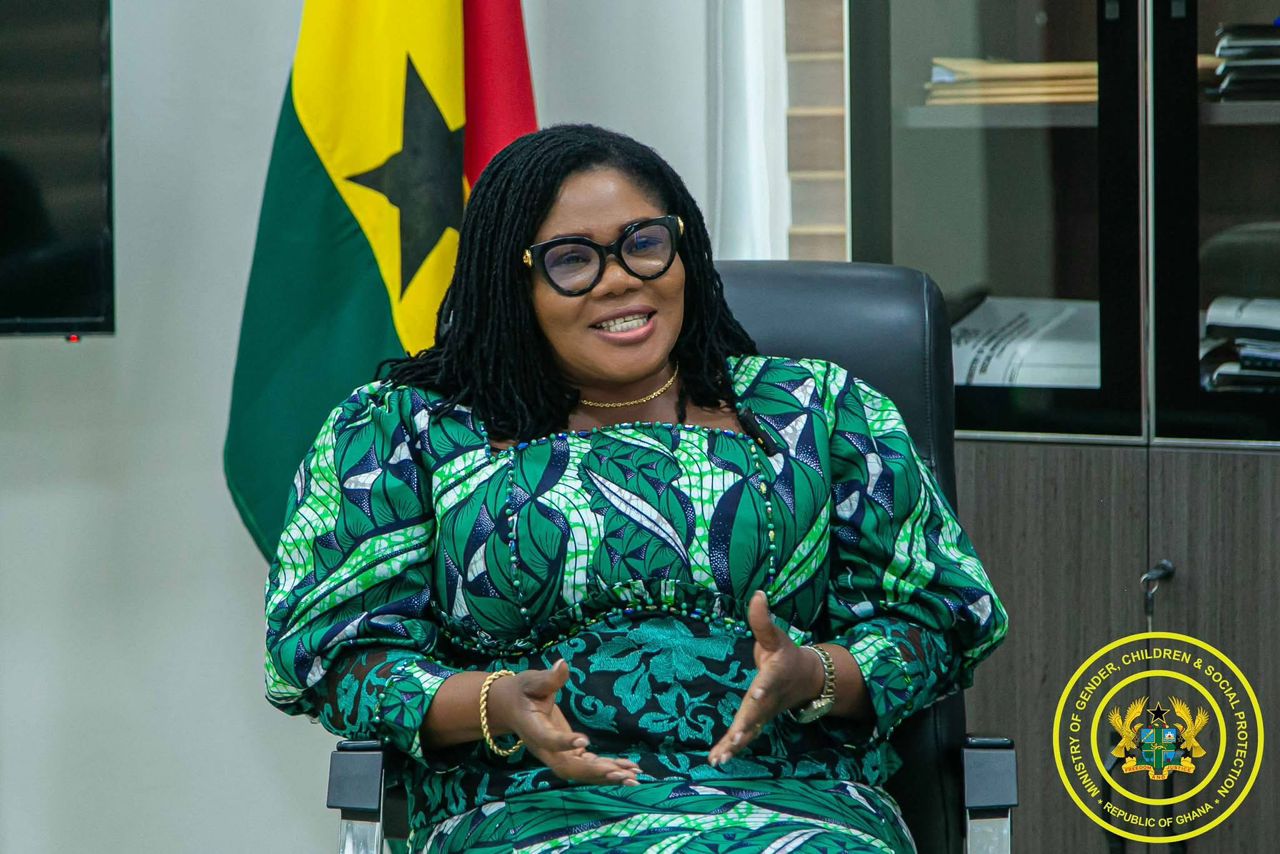
Russian Image-Sharing Scandal: Gender Minister Eyes Extradition
0
Add A Comment
© 2026 THE NEW REPUBLIC GH.
About | Contact | Privacy Policy