

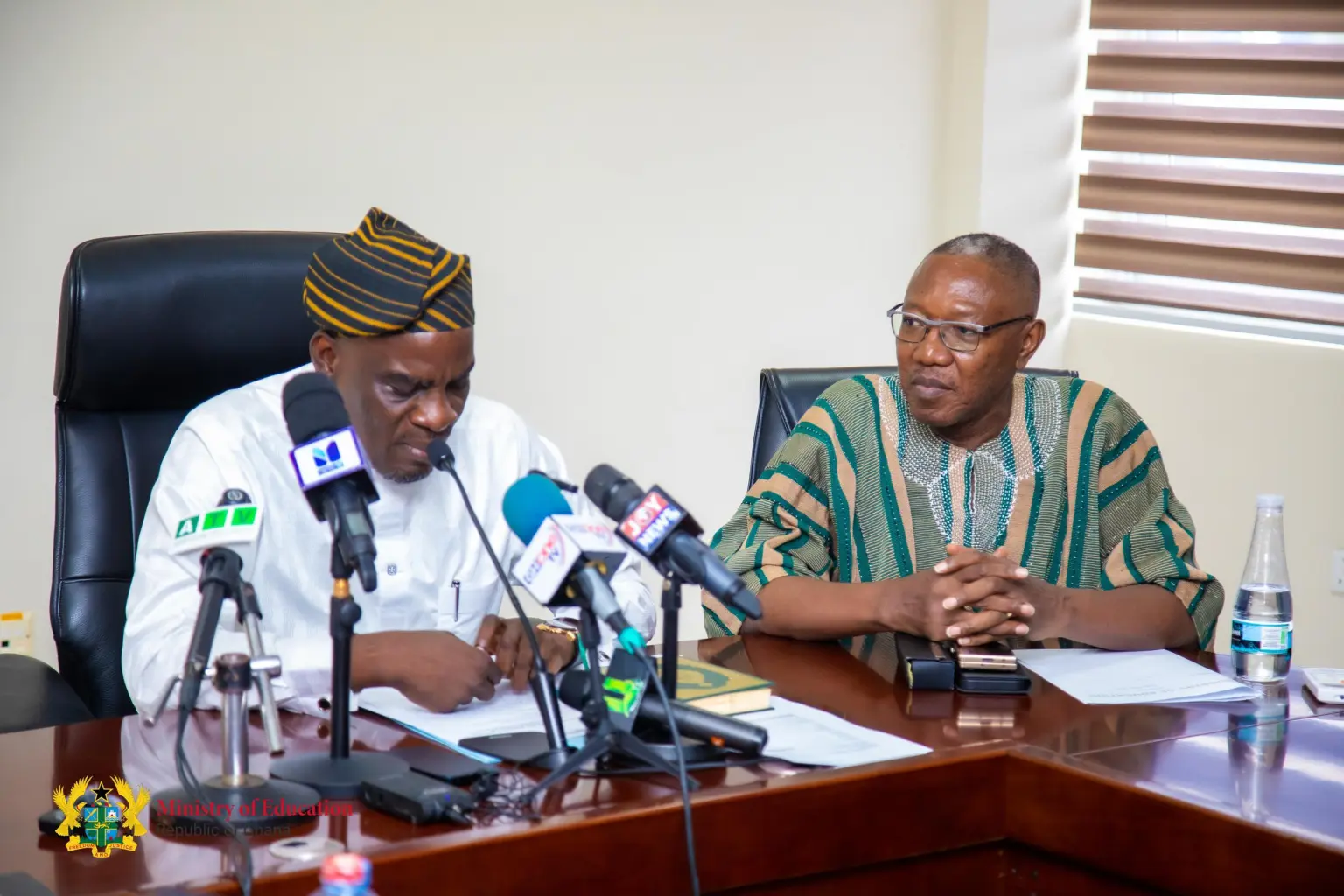
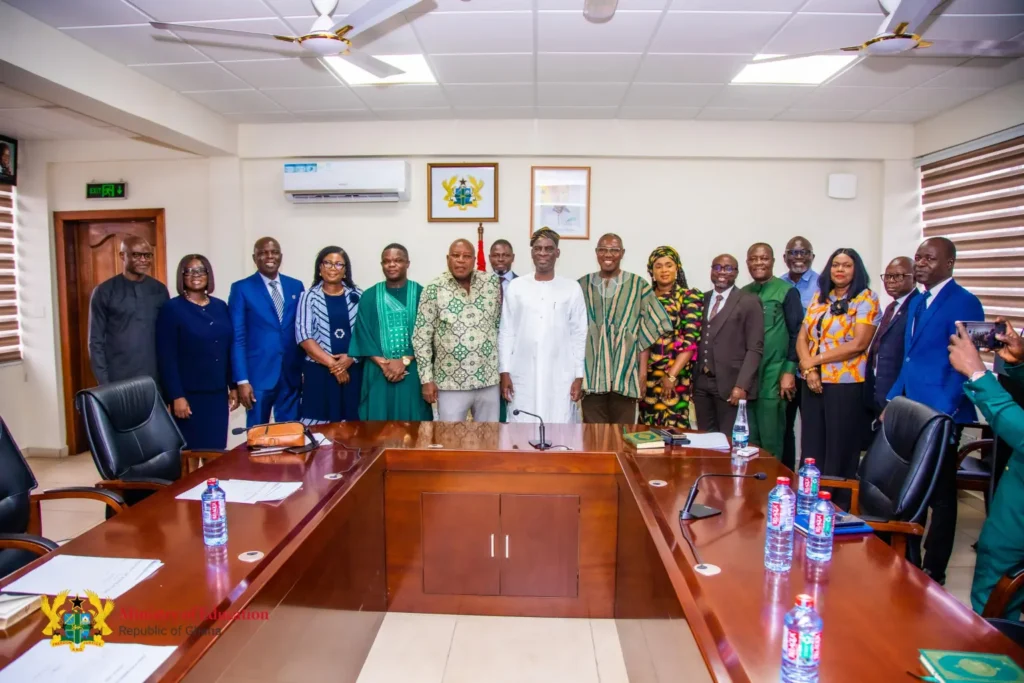
The Minister for Education, Mr. Haruna Iddrisu, has tasked the newly formed Governing Council of the Ghana Scholarship Authority with administering scholarships based on merit, genuine need, national development priorities, and transparency
During the inauguration ceremony in Accra, the Minister stated that the creation of the Authority fulfills a significant campaign promise made by President John Dramani Mahama and the National Democratic Congress (NDC) before the 2024 general elections to eliminate cronyism and misuse in the distribution of government scholarships.
He pointed out that previously, public officials and those with political connections often exploited scholarship programs, disadvantaging deserving yet talented students, a practice he deemed unacceptable and against good governance principles.
“This will no longer be a personal choice where someone can simply give a scholarship to a relative or a politically favored individual who is already well-off,” Mr. Iddrisu emphasized. “Scholarships must be strictly based on merit, need, and national development priorities.”
The Minister expressed trust in the integrity and capability of the Board, led by Mr. Samuel Garba, asserting that scholarships in Ghana should now demonstrate fairness and serve the national interest. He also mentioned that emerging global demands, such as artificial intelligence and essential skills development, should guide future scholarship allocations.
Mr. Iddrisu further highlighted the need for transparency, urging the Authority to disclose the names of scholarship recipients and the reasons for each award. “This is the time for transparency. The public should know who has received scholarships and the rationale behind it,” he stated.
In addressing the issues in higher education, the Minister urged universities to change their training methods to better meet the demands of industry and the private sector. He expressed concerns about graduate unemployment, even with high academic standards.
Regarding funding, the Education Minister revealed that the Ghana Scholarship Authority has a debt of about US$834 million. He reiterated his suggestion for dedicated funding from petroleum royalty revenues to ensure long-term sustainability and hinted at potential reforms to combine scholarship management with student loan programs.
Earlier, Board Chairman Mr. Samuel Garba thanked President Mahama and the Education Minister for their trust in the Council, describing the Board as a multidisciplinary group ready to reform scholarship management.
However, Mr. Garba cautioned that without sufficient and dependable funding, the Authority would find it hard to meet expectations, especially in assisting students studying abroad. He emphasized that delays in tuition and stipend payments put Ghanaian students overseas in difficult situations and damage the credibility of the scholarship system.
“Sending students abroad without covering their tuition and stipends is detrimental,” he stated, urging the Ministry of Finance to focus on investing in human capital development.
Mr. Garba assured both the government and the public that the Board would work ethically and diligently to ensure scholarships significantly contribute to national development.
The Minister for Education, Hon. Haruna Iddrisu, has tasked the newly formed Governing Council of the Ghana Scholarship Authority with administering scholarships based on merit, genuine need, national development priorities, and transparency.
During the inauguration ceremony in Accra, the Minister stated that the creation of the Authority fulfills a significant campaign promise made by President John Dramani Mahama and the National Democratic Congress (NDC) before the 2024 general elections to eliminate cronyism and misuse in the distribution of government scholarships.
He pointed out that previously, public officials and those with political connections often exploited scholarship programs, disadvantaging deserving yet talented students, a practice he deemed unacceptable and against good governance principles.
“This will no longer be a personal choice where someone can simply give a scholarship to a relative or a politically favored individual who is already well-off,” Mr. Iddrisu emphasized. “Scholarships must be strictly based on merit, need, and national development priorities.”
The Minister expressed trust in the integrity and capability of the Board, led by Mr. Samuel Garba, asserting that scholarships in Ghana should now demonstrate fairness and serve the national interest. He also mentioned that emerging global demands, such as artificial intelligence and essential skills development, should guide future scholarship allocations.
Mr. Iddrisu further highlighted the need for transparency, urging the Authority to disclose the names of scholarship recipients and the reasons for each award. “This is the time for transparency. The public should know who has received scholarships and the rationale behind it,” he stated.
In addressing the issues in higher education, the Minister urged universities to change their training methods to better meet the demands of industry and the private sector. He expressed concerns about graduate unemployment, even with high academic standards.
Regarding funding, the Education Minister revealed that the Ghana Scholarship Authority has a debt of about US$834 million. He reiterated his suggestion for dedicated funding from petroleum royalty revenues to ensure long-term sustainability and hinted at potential reforms to combine scholarship management with student loan programs.
Earlier, Board Chairman Mr. Samuel Garba thanked President Mahama and the Education Minister for their trust in the Council, describing the Board as a multidisciplinary group ready to reform scholarship management.
However, Mr. Garba cautioned that without sufficient and dependable funding, the Authority would find it hard to meet expectations, especially in assisting students studying abroad. He emphasized that delays in tuition and stipend payments put Ghanaian students overseas in difficult situations and damage the credibility of the scholarship system.
“Sending students abroad without covering their tuition and stipends is detrimental,” he stated, urging the Ministry of Finance to focus on investing in human capital development.
Mr. Garba assured both the government and the public that the Board would work ethically and diligently to ensure scholarships significantly contribute to national development.