

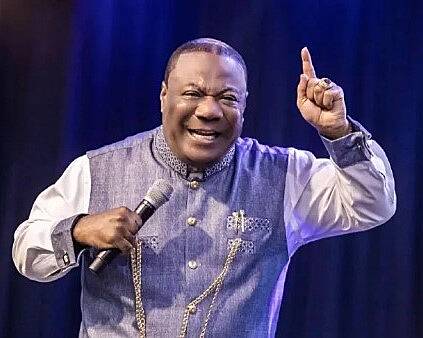
Founder and General Overseer of Action Chapel International, Archbishop Nicholas Duncan-Williams, has issued a strong rebuke against what he describes as the growing commercialisation of the Gospel, warning that the church risks losing its moral authority and spiritual essence if sacred spaces are reduced to profit-driven enterprises.
Speaking at a recent Christian leadership gathering in Accra, the revered clergyman cautioned pastors and church leaders against turning the pulpit into a trading platform, insisting that the church must remain a place of worship, service and transformation—not a marketplace.
“The church is not a business centre and the Gospel is not a product to be sold,” Archbishop Duncan-Williams declared. “When money becomes the focus, we lose the power and purpose of the message of Christ.”
Rising Concern Over Monetised Faith
The Archbishop’s comments come amid increasing public debate over practices within some Christian circles, including the sale of anointing oils, prophetic consultations for fees, compulsory seed sowing, and the promise of miracles tied directly to financial contributions.

These practices, critics argue, place undue financial pressure on congregants—many of whom are already struggling with economic hardship—while shifting attention away from core Christian values such as humility, compassion and service.
Archbishop Duncan-Williams warned that such trends distort the Gospel and undermine the credibility of the church. “Jesus overturned the tables of the money changers because they had turned God’s house into a den of thieves,” he reminded his audience. “We must ask ourselves honestly: are we building God’s kingdom or our own empires?”
A Call for Accountability and Integrity
The veteran preacher stressed that while churches require resources to function and support social interventions, fundraising must be conducted with integrity, transparency and biblical grounding.
According to him, the danger lies not in giving, but in manipulating faith for financial gain. “Giving is an act of worship, not a transaction,” he said. “When people give, it must be out of conviction, not coercion or fear.”
He further called on church leaders to live modestly and avoid lifestyles that raise questions about the source and use of church funds, noting that ostentatious displays of wealth by pastors have become a major source of public criticism against Christianity.
Mixed Reactions from the Christian Community
The Archbishop’s remarks have resonated with many Christians across the country, particularly young people who have grown increasingly sceptical of organised religion. “I respect him for speaking the truth,” said Joseph Mensah, a university student in Accra. “Sometimes it feels like church has become more about money than God.”
However, some pastors argue that financial contributions are often misunderstood, insisting that modern ministry requires significant funding for media outreach, charity work and infrastructure.
Still, Archbishop Duncan-Williams maintains that the ends do not justify unethical means.
Preserving the Soul of the Church
As one of Africa’s most influential Christian leaders, Archbishop Duncan-Williams’ intervention adds significant weight to calls for reform within the church. His message is a clear challenge to both clergy and congregants to return to the foundational principles of the Christian faith. “The Gospel is free,” he concluded. “If we sell it, we cheapen it—and we answer not to men, but to God.”
As the debate over faith, finance and accountability intensifies, his warning serves as a timely reminder that the church’s greatest asset has never been money, but moral authority and spiritual truth.
By Nelson Ayivor