

By Nelson Ayivor
As the New Patriotic Party (NPP) votes today to elect a flagbearer, the contest between former Vice President Dr. Mahamudu Bawumia and Businessman Kennedy Agyapong has evolved into more than a political race; it has become a massive short-term economic stimulus.
From luxury hotels to street-side tailors, the sheer scale of the 2026 campaign cycle highlights how political competition is now a major driver of Ghana’s informal and service sectors.
The Campaign Value Chain: Who Cashed In?
The journey to today’s vote has triggered a surge in spending across several key industries. Both front-runners have crisscrossed the country, filling regional hotels and guest houses while renting convoys, providing a windfall for transport operators and logistics firms.
Simultaneously, the primary has fueled a sophisticated digital war; ad agencies, videographers, and graphic designers have been contracted to produce high-end content, including jingles and social media ad campaigns.
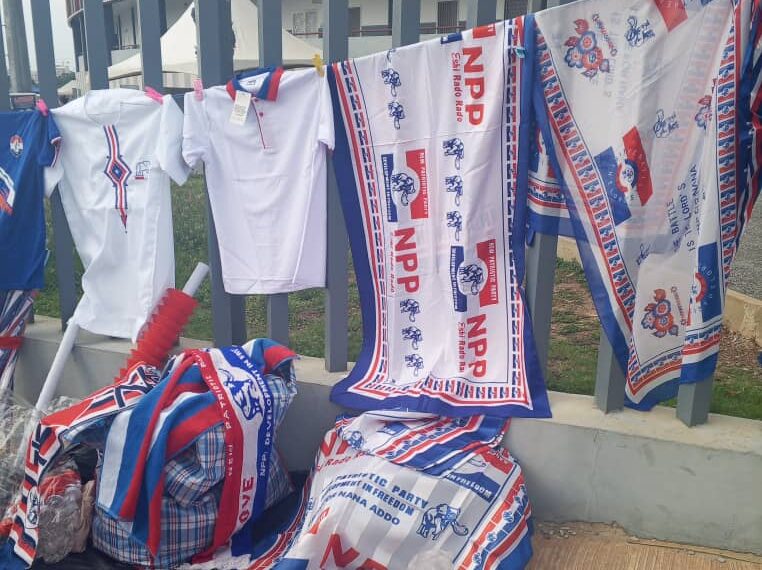
The “Orange and Blue” economy is also in full swing, with local garment firms and printers working overtime to produce lots of T-shirts and banners. Furthermore, the event economy, comprising sound systems, tent rentals, and catering, has injected direct cash into local communities for every rally and stakeholder meeting held.
The “Delegate Factor” and Direct Cash Injections
Perhaps the most discussed business angle is the direct financial impact on the delegates themselves. In a high-stakes contest of this nature, “stipends” for transportation and feeding have become a standardized and significant campaign cost.
For many delegates, this period represents a substantial personal financial boost, as candidates compete to ensure high turnout and loyalty through these decentralized cash transfers.
While this raises concerns regarding the “monetization of politics,” from a purely market perspective, it represents a massive injection of liquidity into rural and urban households across Ghana’s 275 constituencies.
The Rising Price of Power
The Bawumia-Agyapong contest underscores a sobering reality: political campaigning in Ghana has become an ultra-expensive enterprise. Analysts suggest that the cost of winning a primary is way above the budgets of major corporate marketing campaigns.
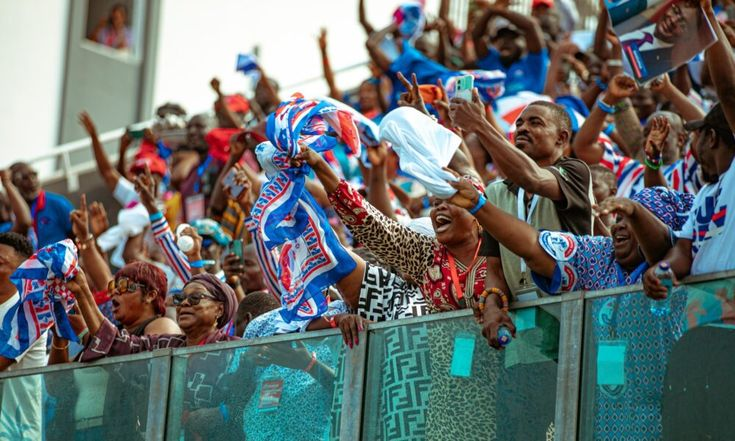
This “arms race” for the flagbearership is driven by the need to reach over 200,000 delegates while maintaining a 24/7 media presence.
For the Ghanaian economy, while this provides a temporary “election boom” for small businesses and vendors, it also highlights the increasing capital intensity of the country’s democratic process.