

By Leo Nelson
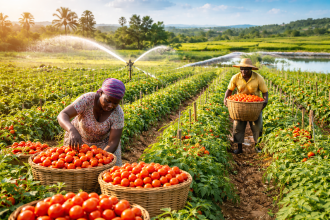
In the fertile soils of Ghana lies a quiet but powerful opportunity—one that has long been overlooked despite its potential to transform livelihoods and strengthen the national economy. The tomato, a staple in almost every Ghanaian kitchen, is fast emerging as an untapped goldmine waiting for strategic investment and policy direction.
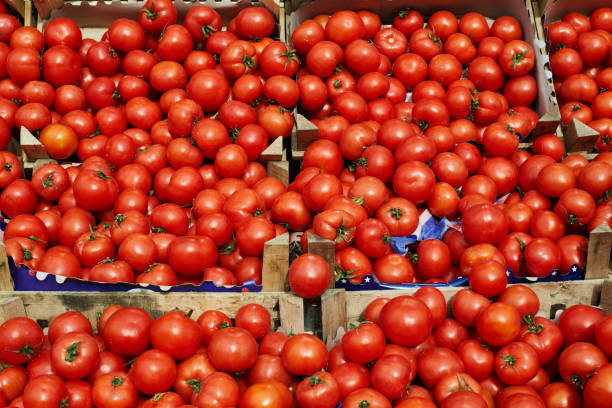
From the bustling markets of Accra to the farms of Navrongo, Techiman, Akumadan and Anloga, tomatoes are in constant demand. Yet, Ghana continues to rely heavily on imports, especially from neighboring countries like Burkina Faso, to meet local consumption needs. This paradox—high demand coupled with heavy importation—raises critical questions about the country’s agricultural priorities and value chain development.
Agricultural experts argue that tomato production in Ghana is constrained not by lack of land or interest, but by systemic challenges. These include inadequate irrigation systems, post-harvest losses, poor storage facilities, pest infestations, and limited access to improved seeds.
During peak seasons, farmers are often forced to sell their produce at throwaway prices due to glut, only for prices to skyrocket during lean periods.
“Tomatoes are one of the most consumed vegetables in Ghana, yet we are unable to harness their full economic value,” says an agronomist based in the Bono East Region. “With the right investments in processing and storage, tomatoes could rival cocoa as a major revenue earner.”
Indeed, the absence of robust agro-processing infrastructure remains a major bottleneck. Several tomato processing factories established in the past have either collapsed or are operating below capacity due to inconsistent supply and management challenges. This has left a significant gap in the value chain, forcing the country to import large quantities of tomato paste annually.
Stakeholders believe that revitalizing the tomato industry could create thousands of jobs, particularly for the youth and women. From cultivation and harvesting to transportation, processing, packaging, and marketing, the tomato value chain offers a wide spectrum of employment opportunities.
Government initiatives such as “Planting for Food and Jobs” have made some strides in boosting agricultural output, but more targeted interventions are needed for high-demand crops like tomatoes. Investment in irrigation infrastructure, farmer education, access to credit, and research into disease-resistant varieties could significantly improve yields and stability.
Private sector participation is also crucial. Entrepreneurs are being encouraged to explore tomato processing, cold storage solutions, and export opportunities. With the right support, Ghana could not only meet its domestic demand but also become a net exporter of tomato products within the sub-region.
As global food demand continues to rise, Ghana stands at a crossroads. The choice is clear: continue to depend on imports or unlock the immense potential within its borders. Tomatoes may be small in size, but their economic impact could be monumental.
If properly harnessed, Ghana’s tomato industry could indeed become the country’s next agricultural goldmine—ripe, ready, and waiting to be harvested.
The writer is Associate Editor and Senior Staff Writer@ The New Republic