

By Nelson Ayivor
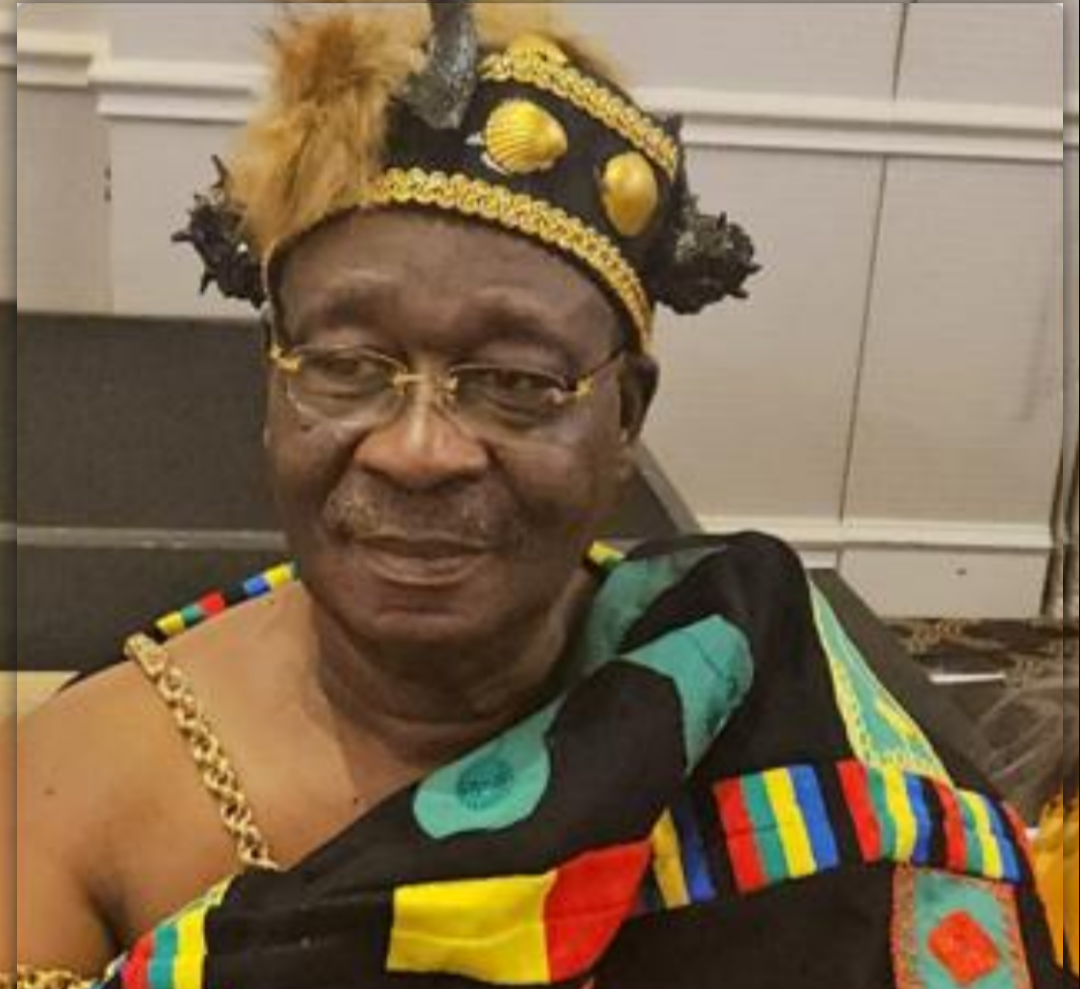
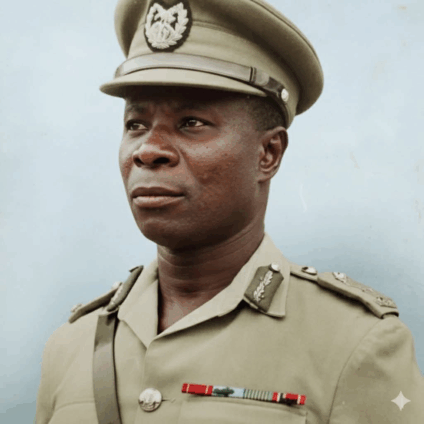
A prominent traditional leader in the Volta Region, Torgbi Agbelorm-Agbotokor II, has paid glowing tribute to the late Maj. General Emmanuel Kwasi Kotoka, but lamented what he described as a worrying culture among the Ewes — failing to honour their own heroes.
Speaking in an interview with The New Republic, the Chief of Salo-Sokutsime, a chiefdom in the Anlo state, described General Kotoka as “a courageous son of the soil” whose contributions to Ghana’s political history cannot be erased, despite the controversies that surround his role in the country’s past.
“History must be told in full,” Torgbi Agbelorm stated. “Whether one agrees with his politics or not, General Kotoka was bold, decisive and left an indelible mark on this nation.”
Kotoka was a leading member of the National Liberation Council (NLC) that overthrew Ghana’s first President, Kwame Nkrumah, in the 1966 coup d’état. He later served as a key figure in the military government until his death in 1967 during an attempted counter-coup.
While acknowledging that Kotoka’s legacy remains a subject of national debate, Torgbi Agbelorm insisted that the Ewe ethnic group must learn to appreciate its distinguished sons and daughters across all fields — from politics and security to academia and culture.
“It is not about endorsing every action taken in the past,” he clarified. “It is about recognizing achievement, courage and service. Other tribes celebrate their heroes openly, but we often hesitate when it comes to our own.”
The traditional ruler warned that failing to document and celebrate local heroes risks erasing their contributions from collective memory and leaving future generations without role models.
He further called for renewed efforts to preserve Ewe history, including the establishment of cultural centres, annual remembrance events, and educational programs highlighting notable Ewe personalities.
Torgbi Agbelorm-Agbotokor II’s remarks are expected to reignite conversations about historical memory and reconciliation in Ghana, particularly regarding figures associated with military rule. While some sections of society continue to criticise the overthrow of Nkrumah as a setback to Ghana’s democratic development, others argue that the period must be understood within the broader context of Cold War politics and domestic tensions of the time.
Torgbi Agbelorm concluded by urging unity among the Ewe people and encouraging chiefs, opinion leaders and the youth to “tell our stories, honour our heroes, and shape our own narrative.”