


By Prof. Faith Ben-Daniels
As Ghana edges closer to the 2028 presidential election, the political atmosphere is steadily transitioning from speculation to strategy. With the New Patriotic Party (NPP) having concluded its flagbearer selection process, attention is now turning to how the National Democratic Congress (NDC) positions itself for what promises to be a fiercely contested national race.
At the heart of this evolving strategic conversation lies a question that, until recently, was considered improbable but is now increasingly unavoidable: what if the NDC presents an Ashanti flag bearer to contest the 2028 election against the NPP? This question carries profound strategic implications.
For decades, the Ashanti Region has functioned as the NPP’s most reliable electoral stronghold, delivering overwhelming vote margins that have often compensated for the party’s weaknesses elsewhere. An Ashanti flagbearer on the ticket of the NDC would represent a dramatic departure from long-standing political assumptions and could recalibrate electoral dynamics in ways that fundamentally alter Ghana’s political map. While such a move carries significant risks, it also presents a rare opportunity—one that demands serious analysis rather than casual dismissal.
The growing relevance of this conversation reflects broader changes within Ghanaian politics. The electorate is more educated, more mobile, and more exposed to national and global issues than at any point in the country’s history.

Traditional voting patterns based purely on ethnicity or regional loyalty are increasingly being moderated by economic realities, governance performance, and policy credibility. Against this backdrop, the NDC’s consideration of an Ashanti flagbearer is not merely symbolic; it is a strategic calculation rooted in evolving voter behaviour. Within discussions of potential Ashanti candidates for the NDC’s 2028 flagbearer slot, three names consistently surface: Dr Kwabena Duffour, Kwame Awuah Darko, and Kojo Bonsu. Each represents a distinct political pathway and embodies different strengths, limitations, and strategic implications for the party. Examining their profiles provides insight into how viable—and transformative—an Ashanti candidacy might be.
The Electoral Significance of the Ashanti Factor
The Ashanti Region’s political importance cannot be overstated. It is one of Ghana’s most populous regions and has historically delivered some of the highest voter turnouts and largest margins in national elections. The NPP’s dominance in the region has been underpinned by historical affiliations, strong party organisation, economic demographics, and the influence of traditional authorities who have often leaned toward the party’s ideological orientation.Yet political fortresses, no matter how formidable, are not immune to change.
Kumasi, the region’s capital, has evolved into a sprawling, cosmopolitan metropolis with a youthful and increasingly diverse population. Migration from other regions, rapid urbanisation, and expanding tertiary education have reshaped the city’s social and political character. Issues such as unemployment, cost of living, infrastructure deficits, and access to opportunities now feature prominently in voter concerns, often outweighing inherited partisan loyalties.
An Ashanti candidate who can articulate credible solutions to these challenges—while also possessing the personal credibility to overcome entrenched party biases—could disrupt voting patterns that have long been assumed to be fixed. For the NDC, such a candidate could reduce the NPP’s traditional margins in Ashanti and potentially force the party into defensive campaigning in territory it has long taken for granted.
This strategic logic becomes even more compelling in light of the NPP’s choice of Dr Mahamudu Bawumia as its 2028 flagbearer. Dr Bawumia’s Northern roots introduce new considerations around regional balance and electoral symbolism. If the NPP can successfully project a northern candidate as a national leader, the argument follows that the NDC could credibly do the same with an Ashanti candidate—turning regional identity from a liability into a strategic weapon.

Dr Kwabena Duffour
The Seasoned Technocrat Dr Kwabena Duffour remains one of the most experienced Ashanti figures within the NDC’s political ecosystem. His career spans academia, central banking, and high-level ministerial service, giving him a depth of economic and governance experience that few Ghanaian politicians can rival.
As a former Governor of the Bank of Ghana and later Minister of Finance, Dr Duffour played a central role in shaping Ghana’s macroeconomic policy during a critical period. He was responsible for fiscal planning, budgetary management, and engagement with international financial institutions, navigating complex economic challenges while operating within the political constraints of government.
However, Duffour’s extensive experience also raises questions about generational appeal. Ghana’s electorate is increasingly youthful, and the ability to connect with younger voters—many of whom prioritise innovation, jobs, and future-oriented policies—has become a decisive factor in modern campaigns. While experience remains valuable, it must be balanced with dynamism and relatability, elements that parties increasingly weigh in flagbearer selection.
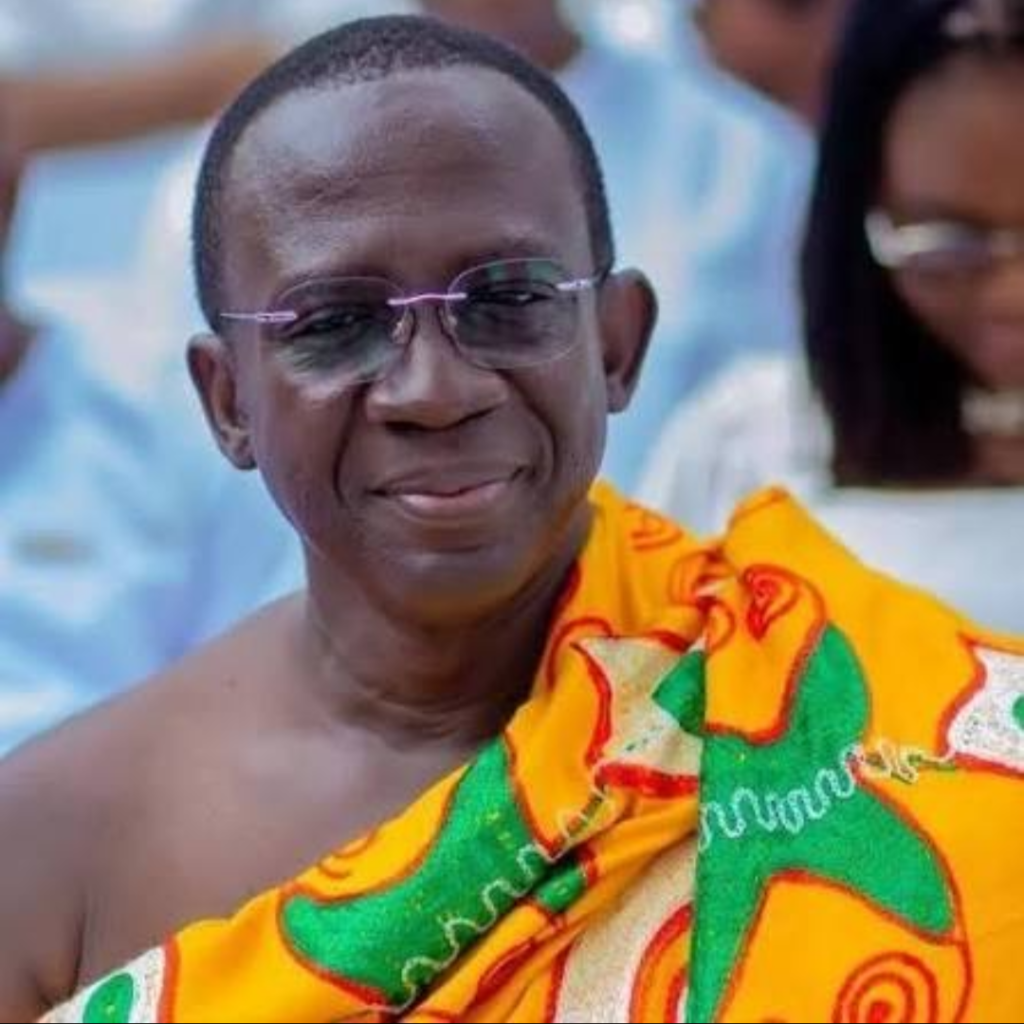
Kwame Awuah Darko
The Corporate-to-Public Sector Candidate Kwame Awuah Darko offers a markedly different profile. His reputation was forged largely in the corporate sector before his transition into public service, giving him a managerial and technocratic orientation distinct from career politicians. His tenure as Managing Director of the Tema Oil Refinery placed him at the centre of Ghana’s energy sector, a strategic component of the national economy. Managing a major state enterprise in a volatile global petroleum market required operational discipline, regulatory engagement, and crisis management—skills that are transferable to national leadership.
Yet Awuah Darko’s political profile remains relatively untested. He has not contested an NDC flagbearer race, nor has he undergone the rigours of sustained electoral campaigning. Presidential contests demand retail politics, emotional resonance, and resilience under intense scrutiny. Without a record of electoral performance, it is difficult to assess how he would fare in such an environment. Additionally, his corporate background may invite perceptions of elitism that could complicate grassroots mobilisation.

Kojo Bonsu
The most comprehensive candidate among the Ashanti personalities under consideration, Kojo Bonsu emerges as the most comprehensively positioned candidate. His blend of local governance experience, diplomatic exposure, and authentic Ashanti roots addresses many of the strategic requirements inherent in an Ashanti-based NDC candidacy.Bonsu has twice contested the NDC flagbearer position, demonstrating both ambition and familiarity with internal party dynamics.
This experience has equipped him with a deep understanding of coalition-building within the party and the demands of national campaigning. Unlike earlier cycles, his political relevance has continued to grow, suggesting an upward rather than declining trajectory. As Ghana’s Ambassador to China, Bonsu occupies a strategically important role at a time when economic diplomacy is central to national development. His engagement with Chinese investors and manufacturing firms has focused on attracting industrial projects, technology transfer, and value-added production—areas that align closely with voter concerns about jobs and economic transformation.
His record as Mayor of Kumasi further strengthens his credentials. During his tenure, the city witnessed significant improvements in road infrastructure, sanitation, and urban management. Road rehabilitation projects addressed long-standing neglect, improving mobility and economic efficiency. Sanitation reforms enhanced public health outcomes, while urban beautification and market redevelopment boosted commercial confidence and civic pride.
Projects such as the redevelopment of the Kumasi Market and progress on the Kejetia Bus Terminal reflected a governance philosophy centred on practical results rather than political symbolism. Bonsu demonstrated an ability to move projects from conception to implementation, navigating bureaucratic challenges with hands-on leadership.
Strategic Choice, High Stakes
Ultimately, the decision on whether the NDC fields an Ashanti flagbearer in 2028 will depend on internal party calculations, national political mood, and electoral arithmetic. The risks are real, but so are the potential rewards. Successfully neutralising the NPP’s Ashanti dominance would represent a historic shift in Ghanaian politics.
If the NDC chooses this path, it would not be a symbolic gesture but a calculated gamble aimed at redrawing the country’s electoral map. Whether the party has the strategic boldness to take that step—and whether Ghanaian voters are ready for the transformation it could bring—remains to be seen. What is clear, however, is that the logic behind the idea has never been stronger, and the candidates capable of executing it have never been more visible.