

Ghana to Host African Regulators, Investors at Virtual Asset Summit
Ghana will host regulators, investors, financial institutions and technology companies from across Africa in November for a summit expected to focus on how countries can coordinate regulation of virtual assets and use tokenisation to expand investment opportunities.
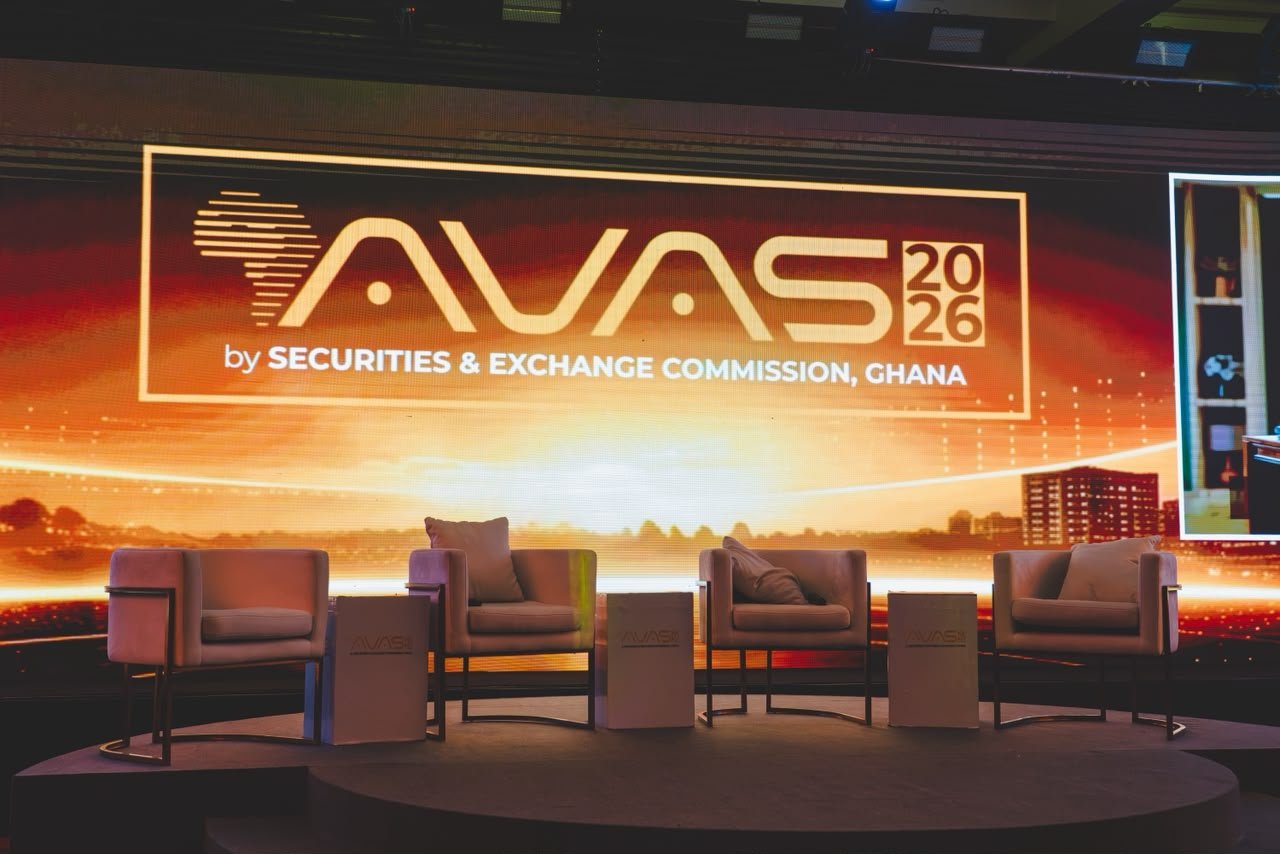
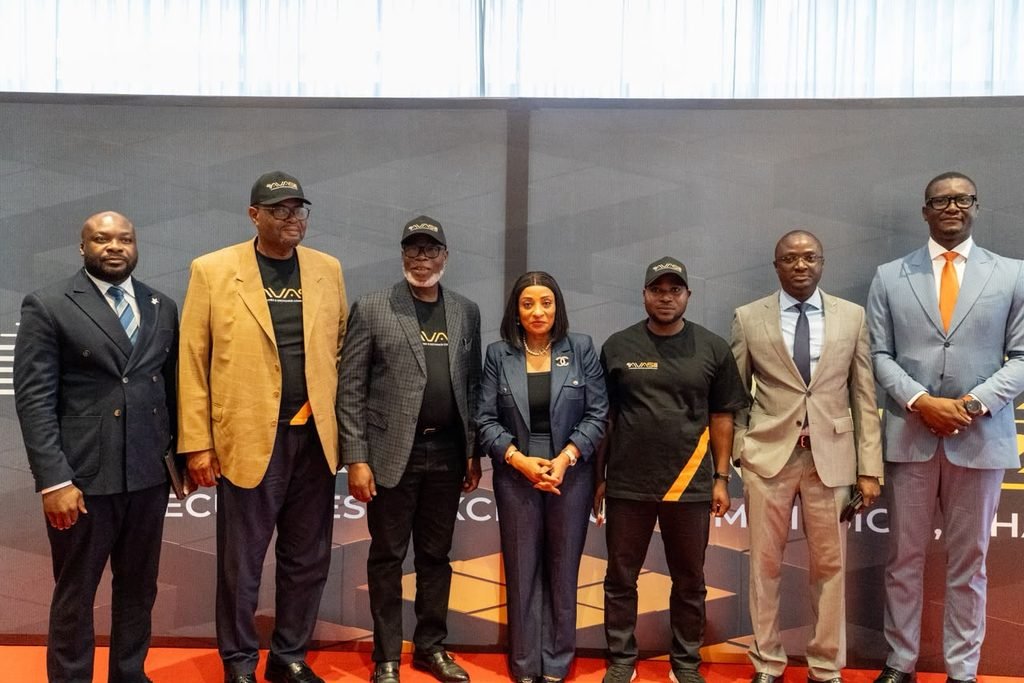
The Securities and Exchange Commission (SEC) Ghana launched the Africa Virtual Asset Summit (AVAS) 2026 on Tuesday, with the two-day event scheduled for November 2 and 3 at the Kempinski Hotel Gold Coast City in Accra.
The summit will bring together securities regulators, central banks, finance ministries, financial intelligence units, banks, asset managers, pension funds, insurers, virtual asset service providers, fintech companies and investors to discuss regulation, investor protection, cross-border supervision and digital financial markets.
Organisers expect more than 2,000 participants from more than 30 countries, with more than 40 speakers scheduled to take part. A African Virtual Assets Summit
The summit is being held under the theme, “Tokenisation: Africa’s Pathway Towards Building a Trusted, Inclusive and Innovative Virtual Asset Ecosystem.”
A key expected outcome is an “Accra Declaration”, which organisers say will set out proposed principles and recommendations for developing virtual asset and tokenisation markets across Africa.
The declaration is expected to address issues including licensing, investor protection, anti-money laundering and counter-terrorist financing, cross-border cooperation and the alignment of national rules with international standards.
SEC Director-General Dr James Klutse Avedzi said the growth of virtual assets in Africa needed to be matched by regulatory systems that allow innovation while protecting investors and maintaining confidence in financial markets.
“Africa’s participation in virtual assets is already significant,” Avedzi said at the launch. “That growth must be matched by frameworks that promote innovation, protect investors and maintain confidence in the market.”
Ghana’s regulatory framework
The summit comes as Ghana implements a new legal framework for virtual assets.
The Virtual Asset Service Providers Act, 2025 (Act 1154) provides the legal basis for the registration, licensing and supervision of virtual asset activities in the country. The SEC says the framework covers activities including virtual asset exchanges and trading platforms, issuance, tokenisation, virtual asset funds, brokerage and investment advisory services.
The Bank of Ghana and the SEC are responsible for regulating virtual asset activities according to their respective mandates, with the SEC specifically responsible for several securities-related virtual asset services.
The SEC has also established a regulatory sandbox to allow virtual asset businesses to test products and services under regulatory supervision.
In March, the Commission admitted an initial group of virtual asset service providers into the sandbox for a 12-month pilot period. The SEC said the exercise would help it collect regulatory data and refine guidelines for activity-based licensing.
By August, the Commission had published a wider list of 20 sandbox participants, covering activities ranging from gold, securities, Treasury bill and bond tokenisation to virtual asset exchanges, brokerage and trading platforms. Participants included the Ghana Gold Board, Ghana Commodities Exchange, Yellow Card Ghana, WhiteBIT Ghana and several local technology and financial services companies.
Focus on tokenisation
Tokenisation is expected to be one of the main areas of discussion at the summit.
The process involves representing ownership or an economic interest in a real-world asset through a digital token. Organisers say the technology could be applied to assets such as commodities, real estate, securities and infrastructure.
Avedzi said tokenisation could help unlock value in assets such as land, gold, cocoa, infrastructure and trade receivables by allowing them to be divided into smaller digital interests and made accessible to a wider pool of investors.
“Liquidity is value,” he said, arguing that tokenisation could create additional financing channels and potentially lower the cost of capital for businesses.
The discussions will also examine the infrastructure needed to support digital asset markets, including custody, payment systems, digital identity and compliance technology.
Push for regional cooperation
Another major issue will be regulatory fragmentation across African markets.
SEC Deputy Director-General Emmanuel Mensah Thompson said Ghana would use the summit to promote greater alignment among African regulators on licensing, supervision and market rules.
Nigeria’s SEC Director-General, Emomotimi Agama, has also called for closer cooperation among regulators, arguing that the cross-border nature of virtual assets makes coordinated supervision necessary.
The summit’s organisers say the objective is not to establish identical regulations across African countries, but to encourage greater consistency and cooperation between jurisdictions.
This includes information-sharing among regulators, coordination of supervision and efforts to address risks that can move across borders more quickly than traditional financial institutions.
Two-day programme
The first day of AVAS will focus on regulation, governance and investor protection. Discussions will cover virtual asset licensing, market conduct, anti-money laundering and counter-terrorist financing, stablecoins, supervision and cross-border payments.
The programme will also include technical sessions on virtual asset service-provider licensing, central bank digital currencies, stablecoins and decentralised finance governance. AAfrican Virtual Assets Summit
The second day will focus on tokenisation, digital markets and financial inclusion, with sessions examining digital securities, commodities, real estate, capital markets, central bank digital currencies and digital payments.
The programme is built around six broad areas: licensing, digital securities, anti-money laundering and counter-terrorist financing, cross-border cooperation, international standards and tokenisation.
Balancing innovation and risk
African regulators face the challenge of allowing digital financial technologies to develop while addressing risks associated with fraud, money laundering, investor losses, market abuse and financial stability.
Ghana has recently intensified its efforts to develop a supervised market for virtual assets, with the SEC using its sandbox to test how different business models can operate under regulatory oversight.
The Commission says lessons from the sandbox will help shape future licensing and regulatory guidelines for virtual asset service providers.
The November summit will therefore provide an opportunity for regulators and market participants to compare approaches and discuss how African countries can develop compatible rules as virtual asset activity becomes increasingly cross-border.
For Ghana, the event also adds to Accra’s growing role as a venue for discussions on digital finance, financial technology and emerging investment markets across the continent.