


For years in this sprawling settlement, a woman known as “Mother” operated with seeming impunity. According to local leaders and residents who spoke with The New Republic, Rebecca Afia Naa Dei Kotei, 32, was a central figure in the drug trade that courses through the community, a person who had always managed to slip away when authorities came near.
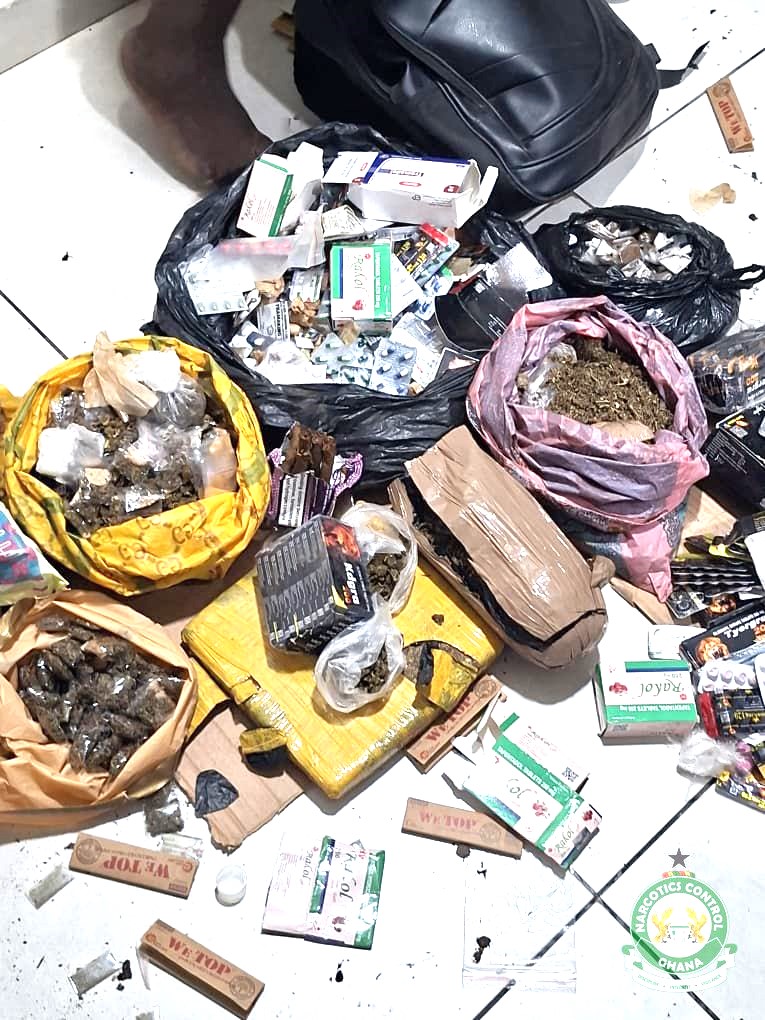
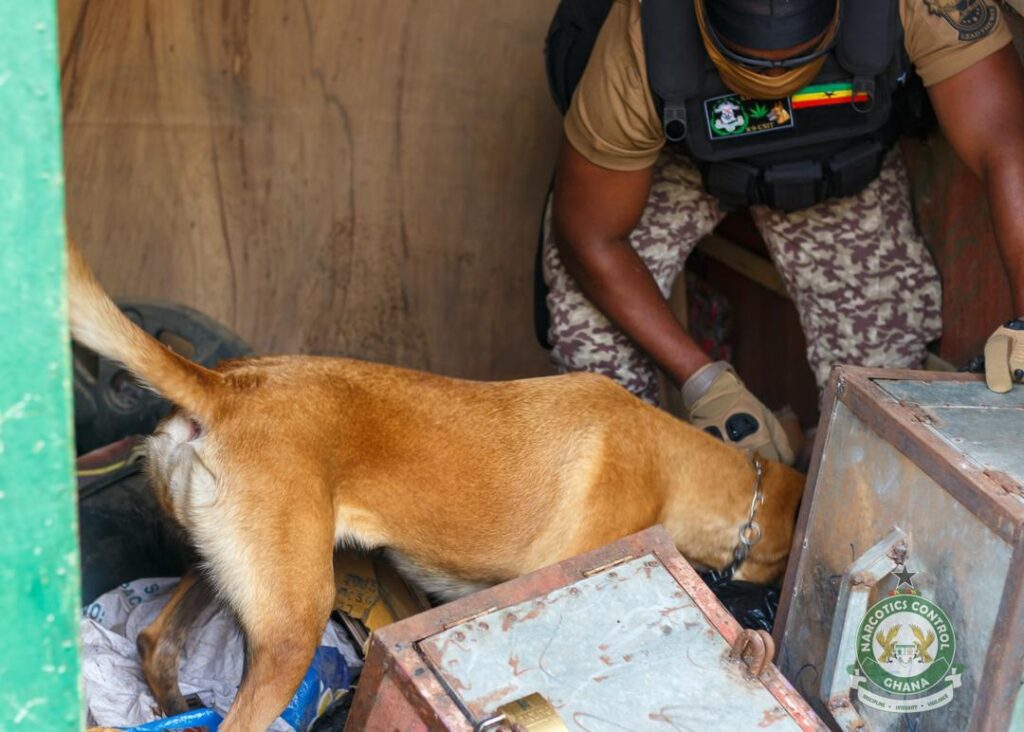
That changed in the early hours of Friday, January 16. In a raid officials described as the culmination of a long intelligence operation, agents from Ghana’s Narcotics Control Commission (NACOC) moved through the labyrinth of Budumburam, a former refugee camp now home to a dense mix of Ghanaians and West African migrants. When they left, Kotei was in custody, and agents had seized quantities of suspected cannabis, the synthetic opioid tramadol, and an assortment of other controlled substances.

In a statement, NACOC hailed the operation as a “successful exercise” and a blow against trafficking in the region. The agency said Kotei had long been “on the radar” of its surveillance teams and that the raid was part of a broader national crackdown. “NACOC wishes to assure the general public of its commitment to ensure that Ghana becomes a drug-free nation,” the announcement read.
But the arrest of a single alleged “drug queen” in Budumburam underscores a persistent and daunting challenge for Ghana’s narcotics agencies: the deeply entrenched, poverty-fueled drug economies in marginalized communities that often prove resistant to sporadic raids. It raises questions about whether such operations address the root causes of the trade or merely capture its most visible players while the network adapts.
A Community’s Reputation and a Long-Targeted Figure
Budumburam, originally established decades ago for Liberians fleeing civil war, has a national reputation as a hub for informal commerce and, according to security analysts and academic studies, illicit activity. Its dense population and complex governance make it a place where state authority is often negotiated rather than asserted.
In this environment, figures like “Mother” become notorious. Local opinion leaders, who spoke on condition of anonymity for fear of reprisal, described her to The New Republic as a “key figure” who had skillfully evaded previous law enforcement actions. NACOC’s statement said the commission had received “several complaints” about the “nefarious activities” of those arrested.
The Limits of a Seizure
While the seizure of drugs and the arrest of a high-profile target provide a public relations victory, drug policy researchers caution that such wins can be fleeting without complementary strategies.
“A raid like this disrupts the market temporarily,” said Dr. Ama Serwah, a senior researcher at the University of Ghana’s Centre for Social Policy Studies who has studied drug use in urban peripheries. “But if the demand remains, and the economic desperation that drives young people into peddling remains, someone else will fill that vacancy very quickly. The ‘Mother’ is a symptom, not the cause.”
The NACOC statement did not detail what specific support or exit programs, if any, would be offered to the community following the raid. It also did not address the conditions that allow such markets to thrive in Budumburam, including reported high unemployment and a lack of social services. The agency said all suspects “will be processed for court in accordance with the law,” focusing on the judicial outcome.
A Recurring Pattern
This raid follows a familiar pattern in Ghana’s drug enforcement: a targeted operation in a hotspot, a seizure, arrests, and public assurances. Past operations in areas like Nima, Ashaiman, and Jamestown have yielded similar headlines, yet the drug trade persists and adapts.
The real test following Kotei’s arrest will be what happens in Budumburam in the coming weeks and months. Will there be a visible, sustained security presence to deter a rapid resurgence of open drug sales? Will community development or public health agencies partner with NACOC to offer alternatives? Or will the vacuum left by “Mother” simply be filled by a new supplier, operating with greater caution?
NACOC officials did not respond to specific questions about their long-term strategy for Budumburam beyond the prosecution of those arrested. For residents living amid the daily realities of the trade, the raid is a single event in a much longer story. Its ultimate significance will be judged not by Friday’s press release, but by whether the streets of Budumburam feel any different when the news vans have driven away.