

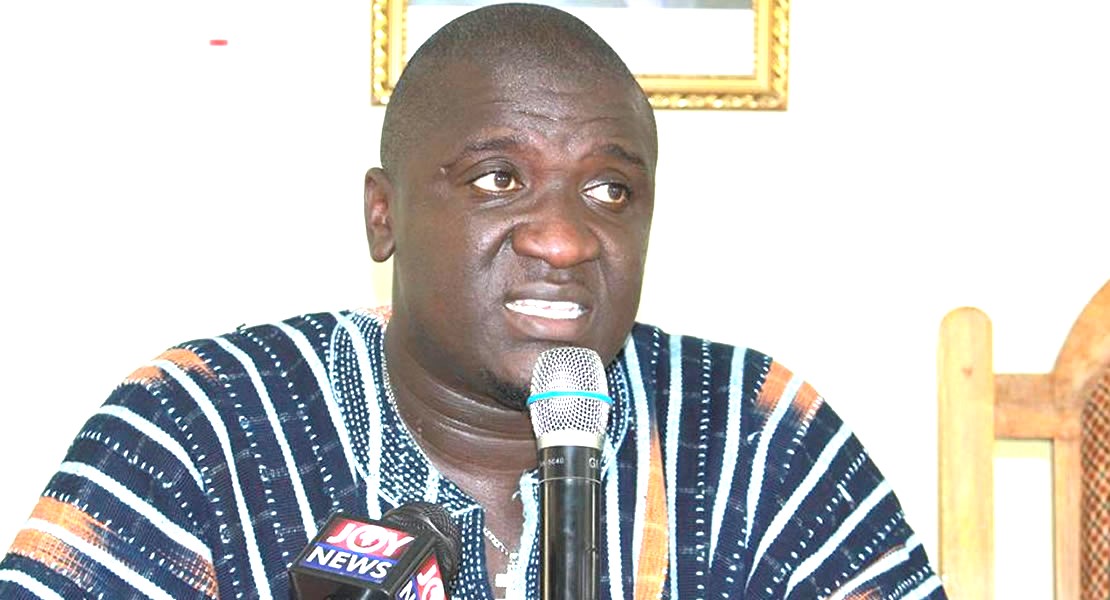
Bawumia’s Boy Blows Cover on how Party packaged Poll Data ‘Men of God’
By Gifty Boateng
A senior advisor to Vice President Mahamudu Bawumia has ignited a political and religious firestorm with an explosive claim: that the ruling New Patriotic Party (NPP) has for years covertly provided credible poll data to influential pastors, enabling them to present electoral predictions as divine prophecies.
The allegation, made by Anthony Abayifa Karbo, a former MP for Lawra and a key figure in the Bawumia campaign, pulls back the curtain on what critics have long suspected—a symbiotic relationship between political operatives and a segment of the charismatic clergy aimed at manipulating public perception.
Speaking on Accra-based Asempa FM’s Ekosiisen programme barely a week before the NPP’s crucial flagbearer primary, Karbo presented a detailed, behind-the-scenes account. “When we were in opposition, we were giving them polls data to prophesy,” he stated. “We gave them the polls data and told them that the Economic Intelligence Unit is out with a new poll and it is hovering around 51% so look at it and arrange it in a prophecy.”
While Karbo shied away from naming specific pastors, his description points to a sophisticated strategy of information laundering, where objective polling is rebranded as spiritual insight to lend it supernatural credibility and sway the electorate of faith-based voters.
The claims triggered an immediate and furious rebuttal from one of Ghana’s most politically visible men of God, Rev. Isaac Owusu Bempah, Founder of Glorious Word Power Ministries. Rev. Owusu Bempah, who has a well-documented history of aligning with the NPP before a very public fallout ahead of the 2024 elections, expressed shock at Karbo’s “broad condemnation.”
He recalled Karbo and current MP Sammi Awuku visiting him before the 2016 election, where he gave a prophecy of victory for Nana Akufo-Addo that was “welcomed.” He challenged Karbo to name names and insisted his own prophetic ministry was genuine. In a significant retaliatory move, Rev. Owusu Bempah declared he would no longer pray for Dr. Bawumia and some NPP members unless divinely instructed, and vowed to withhold his prophecy for the 2028 election winner.
The scandal erupts at a sensitive time for the NPP, grappling with a recent electoral defeat and internal succession battles. Karbo’s revelation does more than embarrass allied clergy; it exposes a perceived cynicism at the heart of the party’s past electoral machinery. It also risks alienating a significant portion of the party’s charismatic Christian base, who may feel their faith was instrumentalized for political gain.
Furthermore, it corroborates recent claims by media personality Justice Kwaku Annan, who alleged sharing survey results with a man of God while working for Ken Agyapong-owned media. This pattern suggests the practice may have been more entrenched than isolated.
The “prophecies for polls” allegation strikes at the intersection of faith, politics, and commercial prophecy in Ghana. It raises profound questions about the authenticity of the booming prophecy industry and the vulnerability of religious congregations to political manipulation.
For the political class, it is a cautionary tale about the perils of transactional relationships with religious leaders. As Karbo’s candid confession shows, these alliances can unravel spectacularly, turning powerful former allies into vengeful critics and exposing the manufactured nature of what was sold as divine endorsement. The fallout threatens to further erode public trust in both political and religious institutions at a time when Ghana can ill afford it.