

By Nelson Ayivor
Rising tensions in the Middle East could have far-reaching economic and diplomatic consequences for African countries, including Ghana, a security analyst has warned.
Speaking in an interview with The New Republic, Executive Director, Africa Centre for Human Security and Emergency Management (ACHSEM), Godson Bill Ocloo cautioned that the escalating hostilities involving countries such as Israel and Iran, as well as the protracted conflict in Gaza, could disrupt global supply chains and destabilise commodity markets on which many African economies depend.
According to him, Africa’s heavy reliance on imported petroleum products, fertilisers and food staples from or through the Middle East leaves the continent particularly vulnerable to shocks.
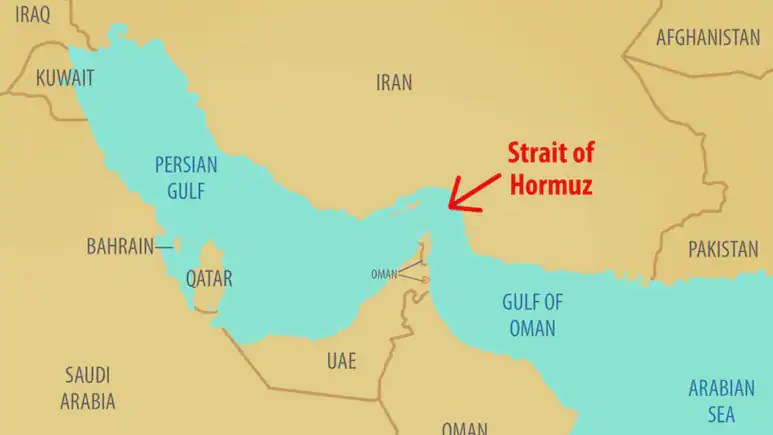
“Any major escalation that affects shipping routes such as the Strait of Hormuz or the Red Sea corridor will immediately reflect in higher fuel prices and insurance premiums. For countries like Ghana that import refined petroleum, the impact on inflation and the cedi could be significant,” he said.
Fuel Prices and Inflation Risks
Bill Ocloo explained that a spike in crude oil prices on the international market would increase the cost of transportation and production across Africa.
He noted that although Ghana is an oil-producing country, it still imports refined petroleum products, making it susceptible to global price swings.
“We saw how global disruptions during the Russia-Ukraine conflict affected domestic fuel prices. A similar pattern could emerge if Middle East tensions worsen,” he added.
The analyst further warned that higher fertiliser costs could affect agricultural output across the continent, potentially worsening food insecurity in vulnerable regions.
Diplomatic Tightrope
Beyond economics, the ACHSEM executive director said African countries may face diplomatic dilemmas as global powers take sides in the conflict.
He observed that many African states maintain strategic relations with Western nations, Middle Eastern countries and emerging powers, making neutrality increasingly difficult.
“For Ghana and others, the challenge will be balancing long-standing ties with Western partners while sustaining beneficial cooperation with Middle Eastern states in areas such as trade, remittances and development assistance,” he said.
Ghana has historically supported peaceful resolution of conflicts through multilateral platforms such as the United Nations and the African Union. Bill Ocloo suggested that Accra could leverage its diplomatic tradition to advocate dialogue and de-escalation.
Impact on Diaspora and Remittances
Bill Ocloo also highlighted the potential effect on African migrant workers in the Middle East. Countries such as Saudi Arabia and United Arab Emirates host thousands of African workers whose remittances contribute significantly to household incomes back home.
“Any instability could affect employment conditions or lead to evacuation scenarios, which would have social and economic repercussions,” he cautioned.
Call for Preparedness
Bill Ocloo urged African governments to adopt proactive measures, including building strategic fuel reserves, diversifying trade partners, and strengthening intra-African trade under frameworks like the African Continental Free Trade Area (AfCFTA), stressing that while Africa may not be directly involved in Middle East hostilities, the interconnected nature of the global economy means the continent cannot remain insulated.
“The lesson for Ghana and Africa is clear: global conflicts have local consequences. Strategic planning and diplomatic prudence are essential to mitigate potential shocks,” he concluded.