

Alleges Missing Docket and Police complexity in a potential covered up Plot
By Phillip Antoh
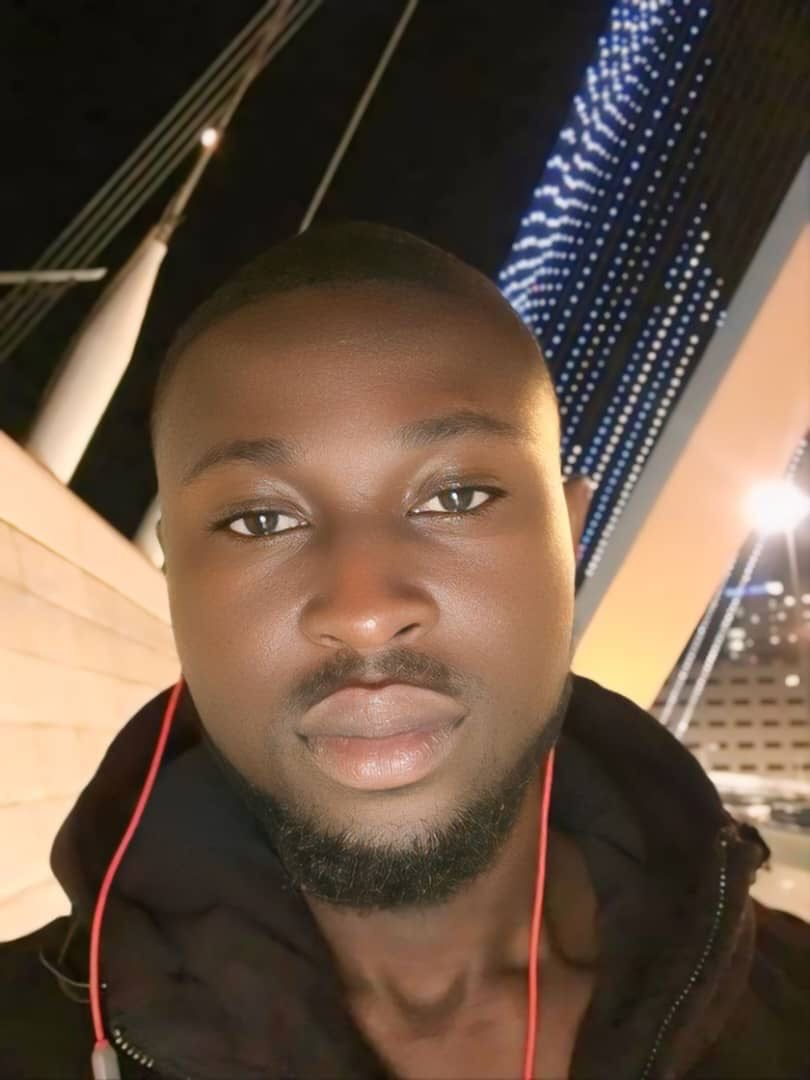
Grieving father Alfred Kwame Tettey Ehiamah has lodged explosive petitions with the presidency and security chiefs, alleging a high-level cover-up in the murder of his son a case intertwined with stolen state funds and police misconduct. The death of Anthony Kudjo Tettey Ehiamah, an IT specialist with Dizengoff Ghana Limited, is rapidly becoming a political litmus test for the Mahama administration’s commitment to institutional accountability.
Anthony’s body was discovered at dawn on 18 September 2024, slumped in a urinal at the Church of Pentecost premises in the Oyarifa gravel pits. The landlord and church elders alerted Oyarifa police, who transferred the corpse to the Police Hospital morgue. But for the Ehiamah family, that was the beginning of an ordeal, not an end.
According to a detailed dossier seen by The New Republic, the investigation was initially handled by Chief Inspector Bekoe under ASP Zoyah, the Ayi Mensah District Commander. Sources close to the family reveal that two plainclothes officers, allegedly from the Homicide Unit, later joined the scene a move the family now views with deep suspicion.
The case took a sinister turn when the grieving father pressed for answers. In an interview, Ehiamah senior disclosed that his son had confided in his mother on the morning of his death: some individuals were using his bank account to launder illicit funds, and his life was under threat.
This was no paternal paranoia. The investigating officer himself reportedly confirmed that monies earmarked for the School Feeding Programme were being siphoned into Anthony’s account. “My fear is that my son’s death is linked to these illicit transactions,” the father told The New Republic.
Chief Inspector Bekoe identified two prime suspects from a pool of six interviewees: Obed Sam and Henry Gomashie. In a striking detail, the pair allegedly contacted Anthony’s widow the day after the murder, claiming they had been tasked by their employer to reach him. A subsequent check by the family with Dizengoff confirmed Anthony had not been signed in for work that day.
Yet, despite the gravity of the allegations murder, financial malfeasance, and a potential state contract scandal the suspects were granted bail. Not by a court, but by the investigating officers themselves. The family was kept in the dark.
The family was informed the docket had been forwarded to the Attorney-General’s office for advice. When they visited the AG’s department to follow up, they discovered no such file had been received. This prompted a formal petition to the AG—the first of several.
The elder Ehiamah has since filed petitions with the Greater Accra Regional Police Command and the Inspector-General of Police, alleging concealment of vital evidence and official misconduct. Copies have also landed on the desks of the Vice President, EOCO, the National Intelligence Bureau, National Security, and the CID.
In a direct appeal to President John Dramani Mahama, the Vice President, and the IGP, the father is not merely seeking justice for his son. He is demanding an inquiry into the conduct of the police officers involved and a fresh, independent investigation.
“Your Excellency,” the petition reads, “the very officers entrusted to protect lives must not be seen as shielding suspects. Justice must not only be done, it must be seen to be done.”
For the new administration, this case is an early and uncomfortable test. With allegations of stolen school feeding funds, rogue police bail, and a missing docket, the Oyarifa murder threatens to expose the fault lines in Ghana’s justice machinery. The family waits. The docket is, presumably, still missing.