

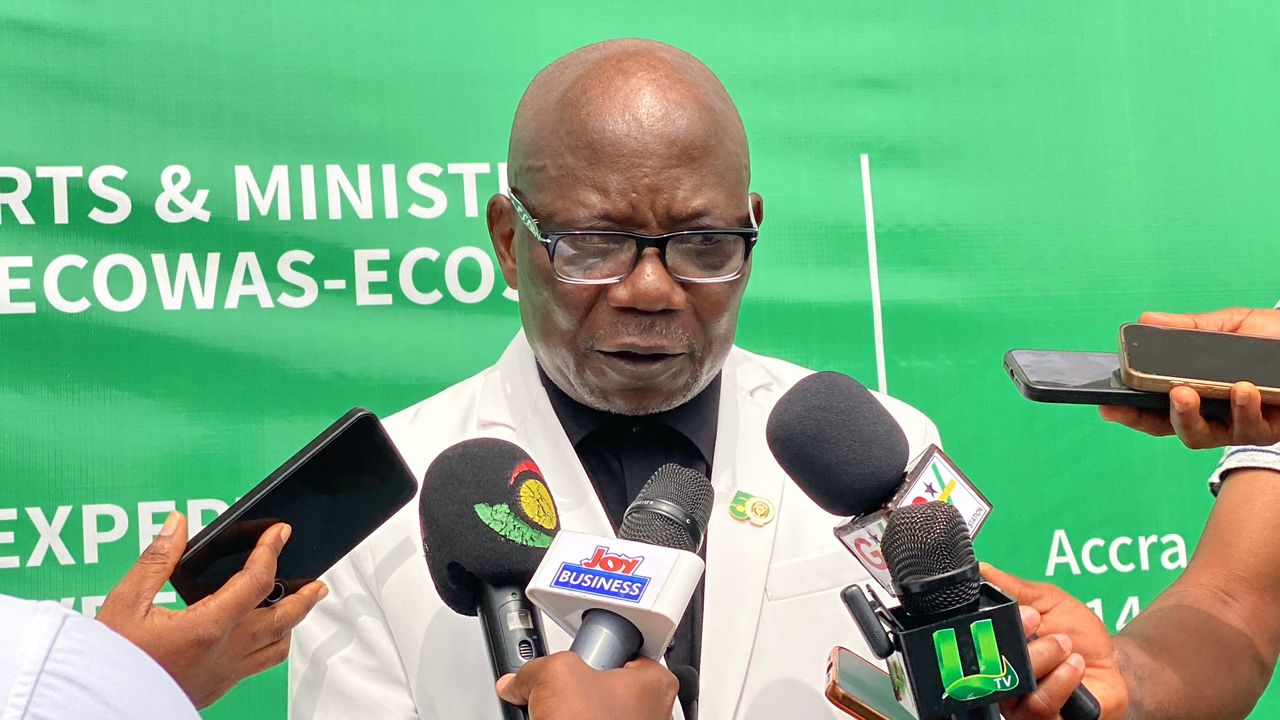
The Commissioner for Political Affairs, Peace, and Security of ECOWAS, Ambassador Abdel-Fatau Musah, praised ECOWAS’s 50 years of stability in the region. However, he emphasized the need to establish a wider civil society platform for people to share their views, ideas, and participate in decision-making processes.
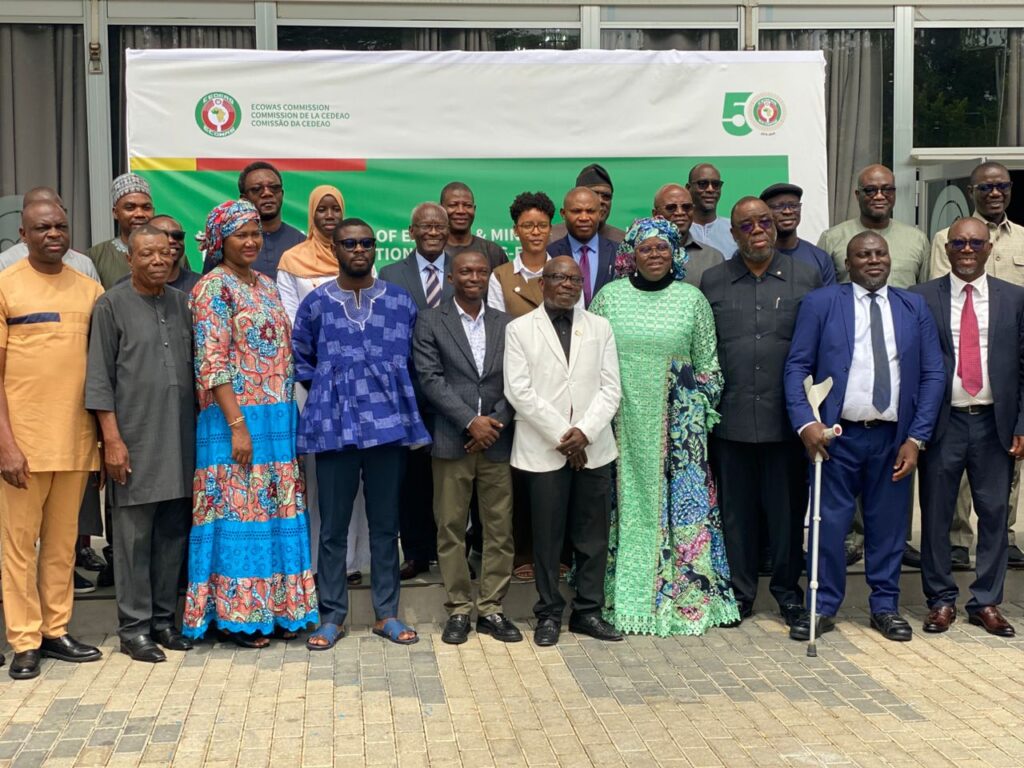
During a four-day validation meeting of ECOWAS Economic and Social Council (ECOWAS-ECOSOC) experts in Accra, Amb. Musah explained that this civil society platform should include the private sector, research institutions, youth, women’s organizations, traditional leaders, professional associations, trade unions, and others to ensure their voices are heard.
He noted that this initiative would enhance the decision-making process at ECOWAS’s highest levels, especially in addressing the escalating tensions in the Middle East due to the conflict with Iran.
Amb. Musah pointed out that Africa has a youthful population, with 60 to 70% under the age of 25. He stressed the importance of integrating this demographic through education, job opportunities, and infrastructure development to help them realize their potential, or risk losing them.
He remarked, “The youthful population is a double-edged sword. It can have both positive and negative outcomes, as many of today’s terrorists and violent extremists are young people in the region. We must reintegrate them into our communities. What ECOSOC aims to create is a platform for young people to voice their opinions and communicate their aspirations for the region to our leaders.”
He also mentioned that ECOWAS plans to hold a special summit in May to adopt a compact focused on the future of regional integration.
Amb. Musah mentioned, “Why doesn’t West Africa have a single currency, the ECOWAS? These are important issues that will be discussed in the compact.” The Commissioner shared that the ECOSOC meeting at the expert level is reviewing all foundational documents, its legal framework, its intended functions, and the membership details.
“Once this is completed in two days, our ministers will approve it. Then it will proceed through the community’s decision-making processes, including the administration and finance committee, the council of ministers, and finally be adopted by the heads of state and government.”
Mr. Philip Amoh Kofi, speaking for the Director of Research Division at the Ministry of Finance, Ms. Nelly Mireku, expressed that Ghana is happy to host this gathering of experts from the member community.
He emphasized that the shared commitment to enhancing regional cooperation and promoting the ECOWAS integration agenda is crucial for broader participation.
Mr. Amoh stated, “We all know that the ECOWAS treaty planned for the creation of several key institutions to support the Community’s goals, including the Economic and Social Council, which aims to engage non-state actors in the regional integration process.
“Thus, this meeting is a significant step in the ongoing efforts to operationalize this institution and to enhance participatory governance within the ECOWAS framework,” he added.
He urged the experts to take advantage of this opportunity to thoroughly review and validate the proposed operational framework, legal instruments, and institutional arrangements that will facilitate the effective establishment and operation of ECOWAS-ECOSOC.
He noted that the discussions will ensure that the proposed framework is technically sound, institutionally coherent, and aligned with the broader goals of ECOWAS.
In doing so, “it is important that our discussions remain guided by the principles of efficiency, inclusiveness, and sustainability as we collectively seek to deepen regional integration for the benefit of our citizens.”
The government is therefore looking forward to constructive and fruitful deliberations, and we are confident that the expertise gathered in this room will contribute significantly to shaping a framework that reflects the collective aspirations of the community.