

By Emmanuel Nii Sackey
The Ministry of Food and Agriculture has called upon citizens to actively participate in resolving the nation’s tomato supply deficit by establishing home gardens, following the recent export ban announced by Burkina Faso.
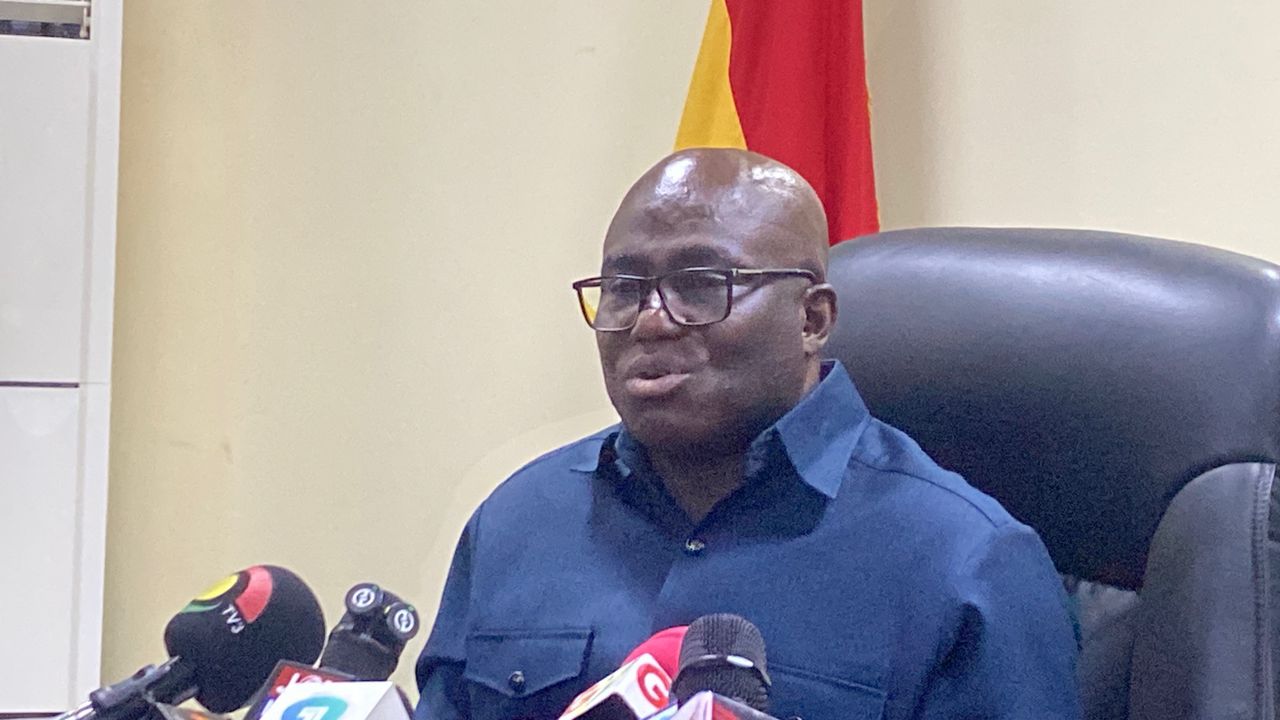
During a press briefing held on Wednesday, March 25, the Minister for Food and Agriculture, Eric Opoku, highlighted a notable disparity between national demand and supply, citing Ghana’s total demand at 805,000 metric tonnes and the current supply at 510,000 metric tonnes.
To mitigate this discrepancy, Eric Opoku encouraged households to cultivate tomatoes, emphasizing that even small-scale home gardens can collectively have a substantial impact.
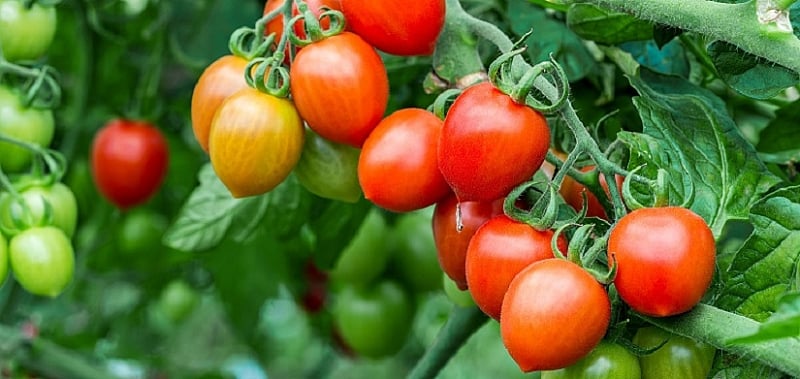
He also highlighted the potential of the high-yield Burkina Faso tomato variety, capable of producing up to 18 metric tonnes per hectare, as a crucial factor in increasing production.
Addressing concerns regarding potential shortages, the Minister reassured the public, stating, “This issue of shortage is not going to happen anywhere; we’re putting in adequate measures to ensure we produce above the national demand. I want to assure the general public that the situation is not alarming.
From those projects we started in 2025, we identified 81 communities and worked with them. We cultivated 1,000 acres of land. And this year, we want to scale it up to 40,000. Processing centres have been established around the University of Ghana bypass, which serves as a farmers’ market where people can go and buy fresh tomatoes.”
Additionally, government initiatives involve schools through the FEED Ghana Secretariat, with 413 schools scheduled to cultivate tomatoes as part of a broader national plan to supplement local supply, reduce reliance on imports, and educate young Ghanaians about agriculture and nutrition.
Eric Opoku emphasized that citizen involvement, combined with these interventions, will be vital in stabilizing tomato supply and ensuring the country’s food security.