

By Leo Nelson
National Coordinator of the District Road Improvement Programme, Nii Lante Vanderpuye, has maintained that current judicial decisions will not halt ongoing corruption cases. He asserted that investigative bodies within the country possess a long history of referring evidence to the Attorney General for formal prosecution.
The current legal framework requires investigative institutions must submit their findings to the central prosecutorial authority. Vanderpuye suggested the Office of the Special Prosecutor should adopt this established constitutional path to ensure legal stability during trials.
“The OSP isn’t the only one doing investigations. We have EOCO, we have CHRAJ, and all of them, when done with investigations and when they come to a conclusion, they always refer to the Office of the Attorney General.”
The 1992 Constitution remains the supreme law of the land and overrides any conflicting legislative provisions. Vanderpuye highlighted that Section 42 of Act 959 appears to contradict Article 88 regarding the ultimate authority of the Attorney General.
Legal professionals must recognize that statutory laws remain subordinate to the mandates of the national constitution at all times. The National Coordinator believed that establishing a prima facie case allows the OSP to serve as a vital witness during state prosecutions.
Vanderpuye argued that the OSP requires a structural remedy. He claimed a complete dissolution of its investigative functions isn’t needed. He pointed out that the controversy surrounding prosecutorial powers stemmed from the specific wording within the Special Prosecutor Act.
Legislators face a significant choice between maintaining delegated powers or pursuing a formal amendment to the national constitution. The National Coordinator notes that constitutional amendments were previously discussed without including specific provisions for independent prosecutorial offices.
Vanderpuye insisted the Office of the Special Prosecutor holds a unique position that requires absolute clarity within the Ghanaian legal system and that the investigative work already completed must be preserved to protect the integrity of the justice system.
Existing institutions continue to function by following the dictates of the constitution to avoid procedural errors in court. The DRIP National Coordinator emphasized that the OSP must operate strictly within the bounds of the existing Ghanaian legal framework.
Vanderpuye believed the current challenges provide an opportunity to redefine how the state handles high-profile financial crimes. He also stated that Government officials should focus on the intention of the public to have a dedicated office for fighting corruption.
He suggested that transferring established cases to the Attorney General ensures that justice proceeds without further technical delays. He maintained that the OSP can still fulfill its mandate by becoming a specialized investigative powerhouse.
The focus of the anti-corruption drive should remain on the facts of the cases rather than jurisdictional battles.
Vanderpuye argued that the country must decide if it wants to empower the OSP through a rigorous constitutional process. Vanderpuye remained confident that the office can be reformed to enhance its independence and investigative autonomy.
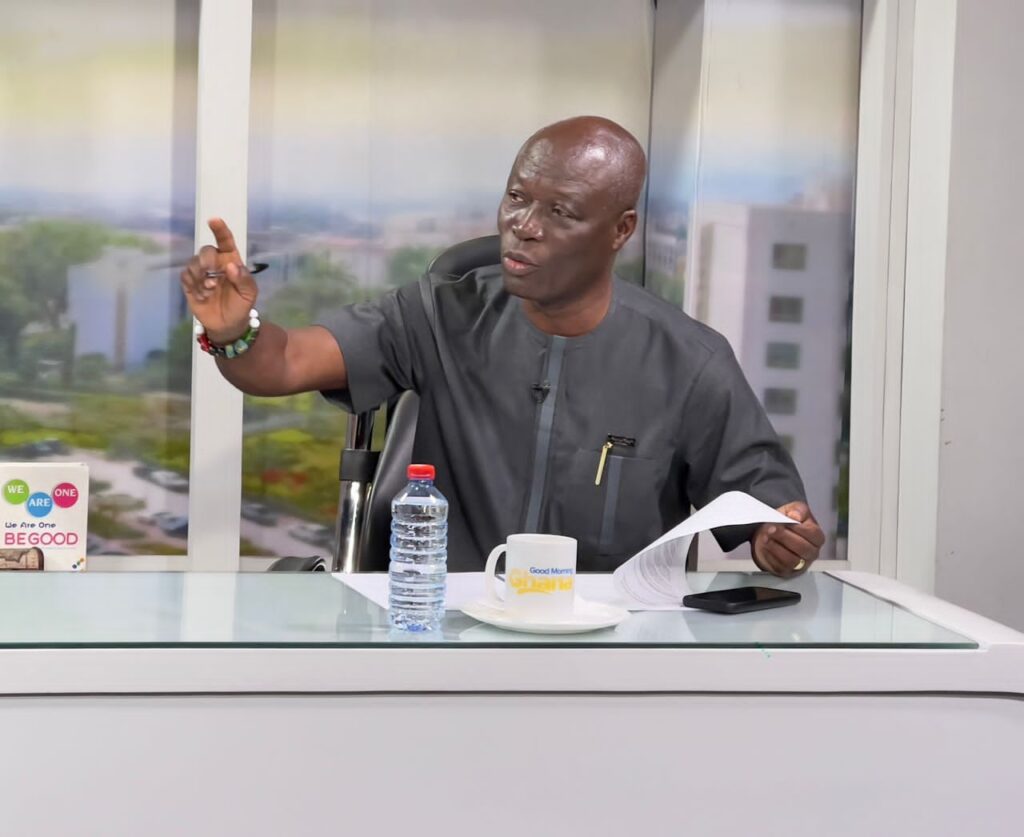
Nii Lante Vanderpuye identified poor salary structures at the Attorney General’s Department as a significant barrier to effective justice. He claimed that the current remuneration for State Attorneys fails to attract and retain the best legal talent in the country.
“Many lawyers who graduate from law school find the private sector far more lucrative than serving in public office. Vanderpuye explains that a state attorney might earn GH₵10,000, while a single private case can yield a fee of GH₵30,000.”
The state must invest in the capacity of its legal departments to ensure that corruption cases are handled by motivated professionals. The National Coordinator emphasized that people in high authority often possess the means to engage in corruption.
Building a robust defense against corruption requires a workforce that pllois immune to financial manipulation or external pressure. Vanderpuye asserted that the pay scale for state prosecutors must be reviewed to match the heavy responsibilities they carry.
Vanderpuye advocated for a system where investigators and prosecutors are both empowered through fair and competitive remuneration. The National Coordinator stressed that the cost of corruption to the nation far exceeds the investment needed for better salaries. He called for an immediate evaluation of the conditions of service for all lawyers working within the state apparatus.