

.Takes Off in 150 Districts Nationwide
By Philip Antoh
President John Dramani Mahama has introduced Ghana’s maiden Free Primary Healthcare Programme, which aims to achieve universal health coverage by eliminating financial obstacles to essential health services.
This initiative ensures that all citizens, regardless of their socio-economic status or location, can access quality care without facing financial difficulties.
The programme primarily focuses on transitioning from treatment to preventive and promotive healthcare, enhancing health outcomes by offering free access to routine check-ups, health screenings, vaccinations, and maternal/child health services, while removing financial barriers and more.
The large-scale free primary healthcare initiative seeks to eliminate out-of-pocket expenses and illegal charges at the primary level, improving equity and access, strengthening health system efficiency, and boosting economic productivity.
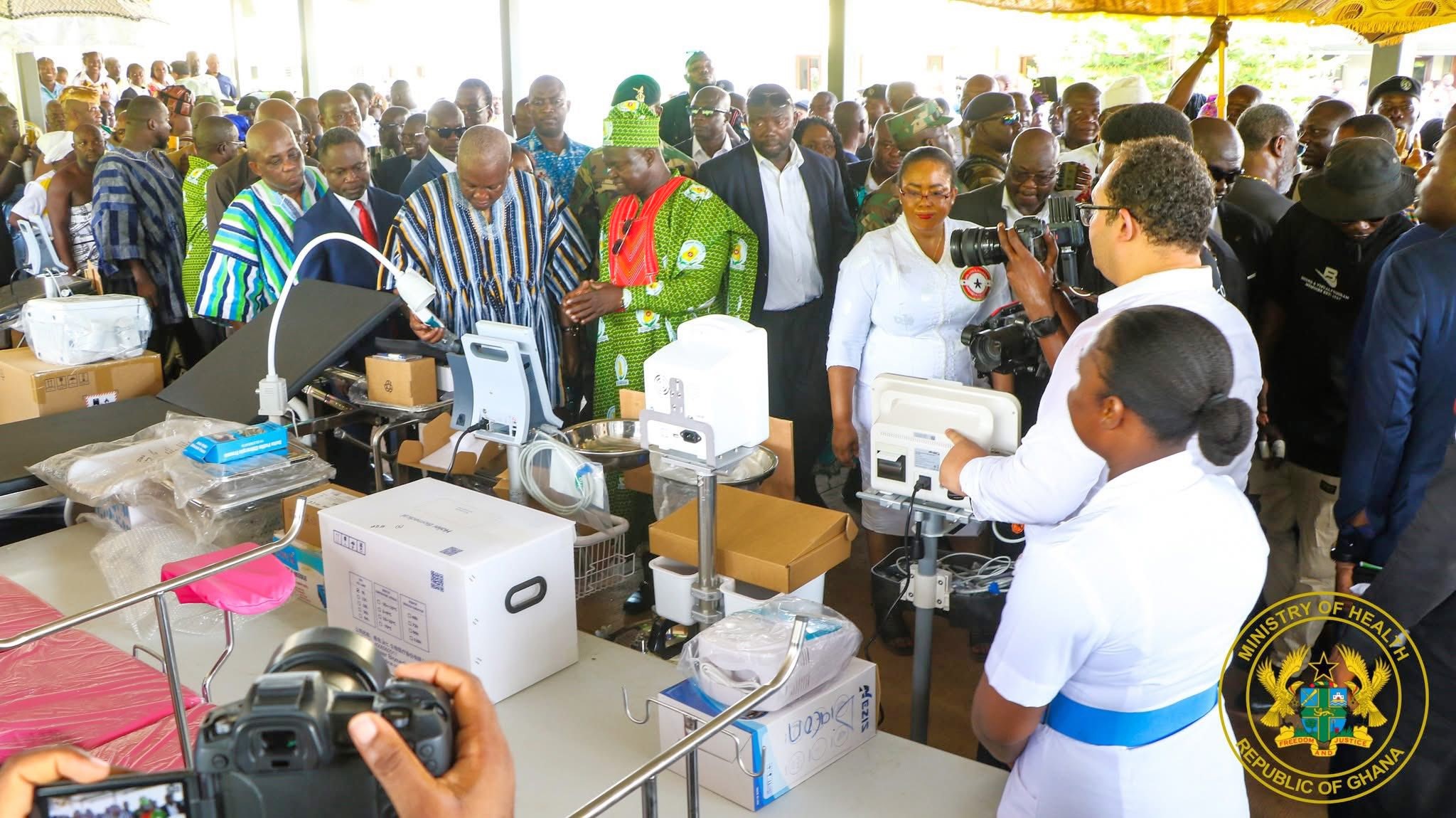
The event, held on Wednesday, April 15, 2026, at the Shai Osudoku District Hospital in the Greater Accra Region, received significant support from grassroots to governmental levels.
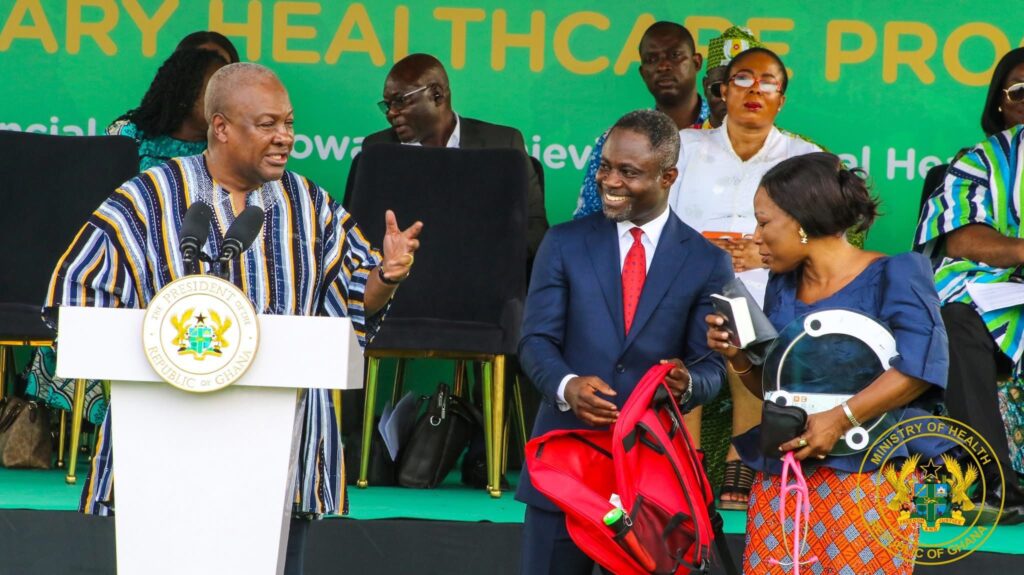
During the event, President Mahama stated that the policy builds on the achievements of the National Health Insurance Scheme (NHIS) but emphasizes early detection and prevention, especially in rural and underserved areas.
“Since we launched the NHIS, access to healthcare has improved greatly. However, there are still some underserved regions, particularly in rural communities,” he remarked.
He clarified that, unlike the NHIS, which mainly addresses illness, the Free Primary Healthcare Programme prioritizes disease prevention through routine screenings and checkups.
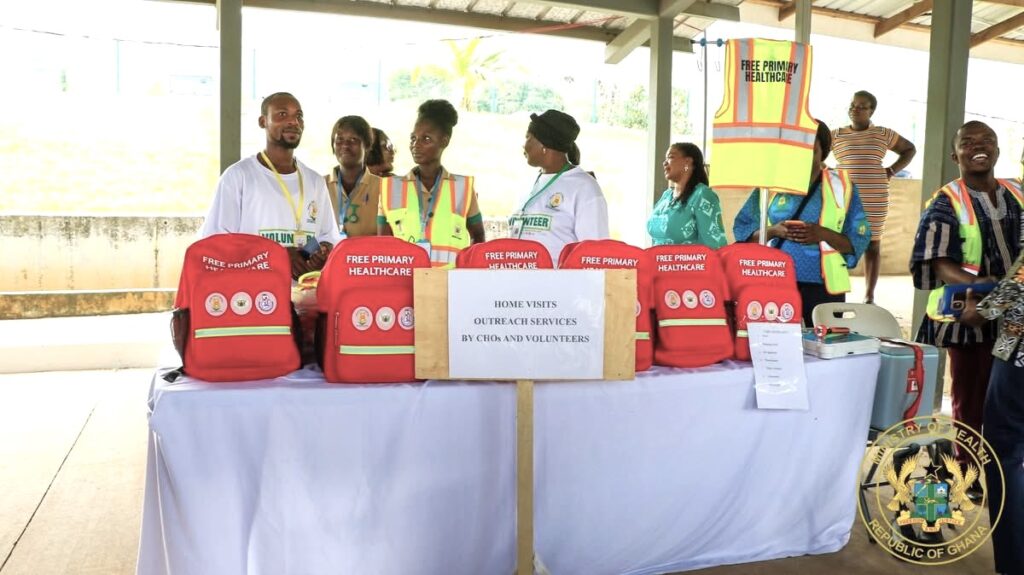
“A key aspect of Free Primary Healthcare is screening. Every Ghanaian should be screened at least once a year. Basic checks will include monitoring blood pressure to identify hypertension, diabetes screening, and other common non-communicable diseases,” the President noted.
He stated that detecting issues early would enable simple actions like changing diets and lifestyles, while more severe cases would be sent to district hospitals for additional treatment.
“If you are starting to have high blood pressure, adjusting your diet or lifestyle can help lower it. If your blood pressure is already elevated, you will be sent to the district hospital,” he clarified.
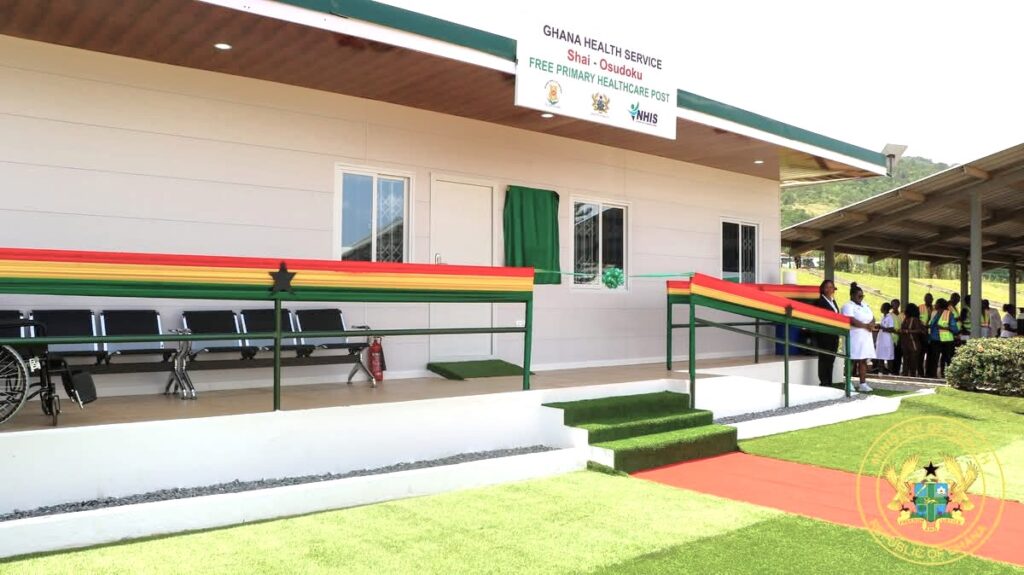
President Mahama also urged traditional and religious leaders to assist in implementing the program by encouraging their communities to take part in the yearly screenings.
“We will need our traditional and religious leaders to help gather their communities so that every Ghanaian is screened at least once a year,” he emphasized.
The Minister of Health, Kwabena Mintah Akandoh, mentioned that the rollout would occur in stages, beginning with 150 districts nationwide.
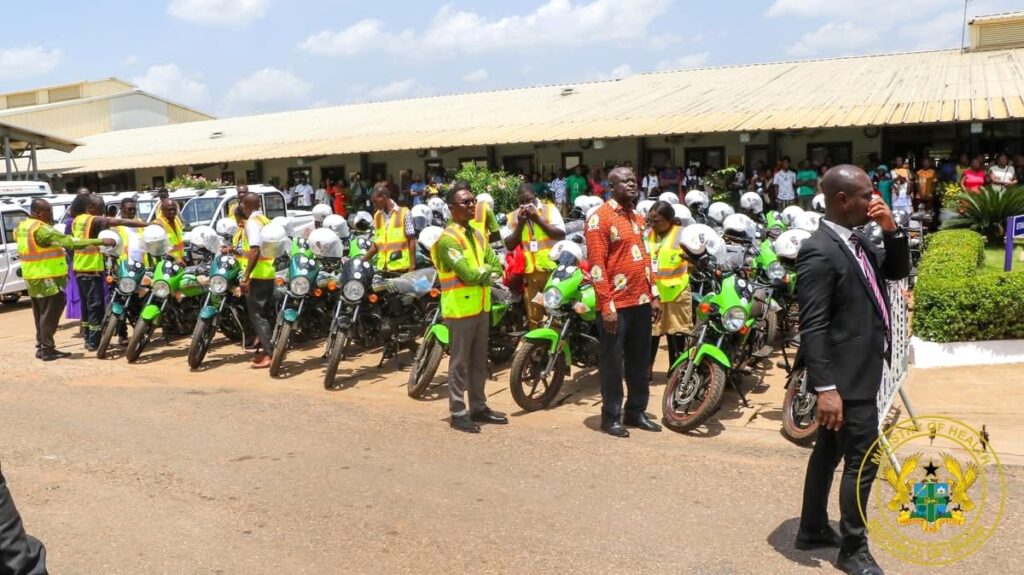
He called the intervention timely, pointing out that it would enhance primary healthcare services and lessen the burden on tertiary health facilities.