

– From GH¢362m to GH¢5bn, Plus Allowances for 9,090
By Prince Ahenkorah
In one year, funding to Ghana’s Metropolitan, Municipal and District Assemblies (MMDAs) jumped more than thirteen-fold from GH¢362 million in 2024 to GH¢5 billion in 2025. The government has also begun paying monthly allowances of over GH¢1,000 to all 9,090 assembly members.
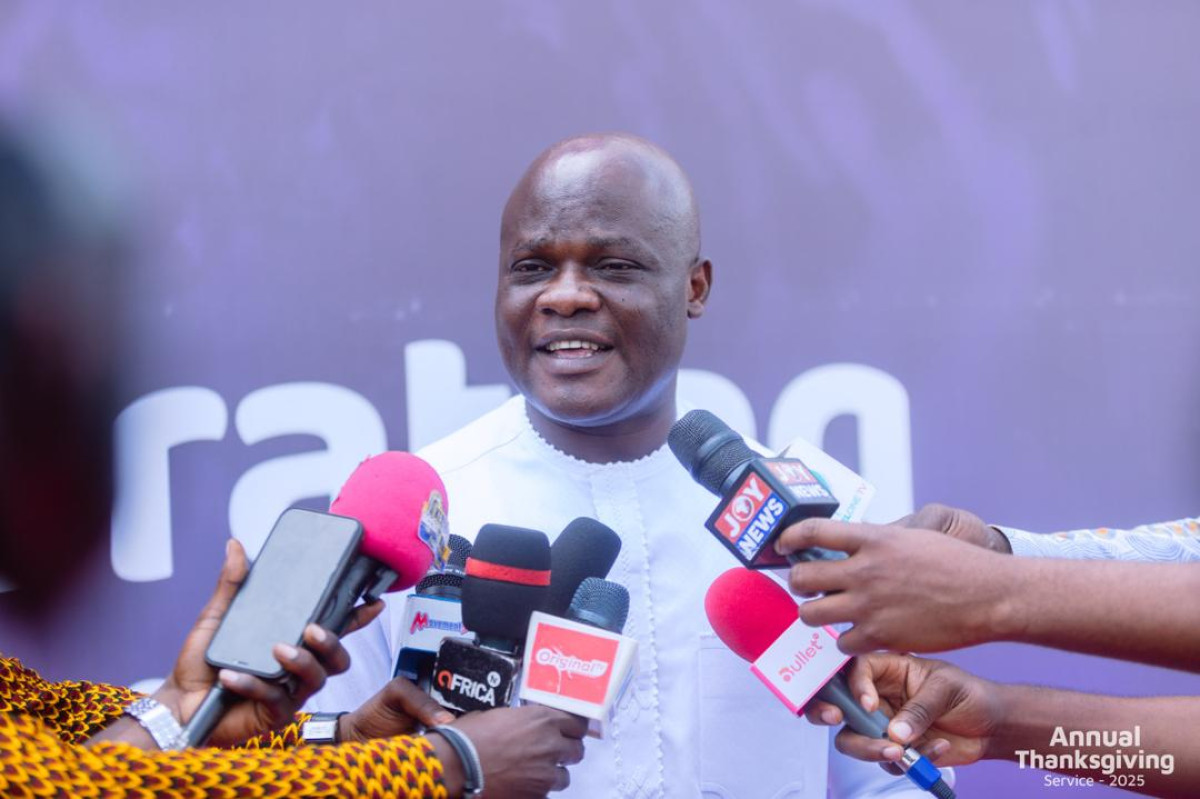
Local Government Minister Ahmed Ibrahim disclosed both figures at the administration’s Accountability Series on 20 April. He described the funding surge as a “structured and predictable release system” introduced in 2025, with quarterly tranches replacing the erratic disbursements of the past.
Quarterly breakdown. First quarter: GH¢790 million. Second: GH¢1.46 billion. Third: GH¢1.19 billion. Fourth: GH¢1.59 billion. The 2024 comparator GH¢362 million from the District Assemblies Common Fund (DACF) was, Ibrahim conceded, “relatively limited”.
Tied to targets. The new money comes with conditions. Each district must build at least two CHPS compounds, three classroom blocks, and ten boreholes, while completing legacy projects. In addition, 25 percent of DACF is now ring-fenced for “24-hour economy model markets” an initiative aimed at local commerce and jobs.
Assembly members’ pay. Separately, President John Mahama approved a monthly allowance of GH¢1,300 for each of the country’s 9,090 assembly members. After statutory deductions, beneficiaries received “slightly above GH¢1,000” monthly from April to December 2025. The Minister said payments for the first quarter of 2026 are being processed.
A long wait. Ghana’s decentralisation agenda began in 1988, but assembly members have historically received little financial support despite being the bedrock of local governance. The new allowance, Ibrahim argued, is a “turning point” for welfare and motivation.
Unanswered questions. A thirteen-fold increase in a single year raises obvious fiscal questions. Where did the additional GH¢4.64 billion come from? Is this a one-off injection or a sustainable baseline? And will the 25 percent set-aside for 24-hour economy markets be protected from the usual leakage?
Similarly, the assembly members’ allowance costing roughly GH¢118 million annually (9,090 x GH¢1,300 x 12) before deductions is a significant recurrent commitment. The Minister expressed confidence that the scheme will continue. But Ghana’s budget discipline has been fragile.
What to watch. Whether districts actually deliver the mandated CHPS compounds, classrooms and boreholes. Whether the 24-hour markets materialise. And whether the allowances arrive on time in 2026. For now, local government has never been so flush or so scrutinised.