

By Lawrence Odoom/Phalonzy
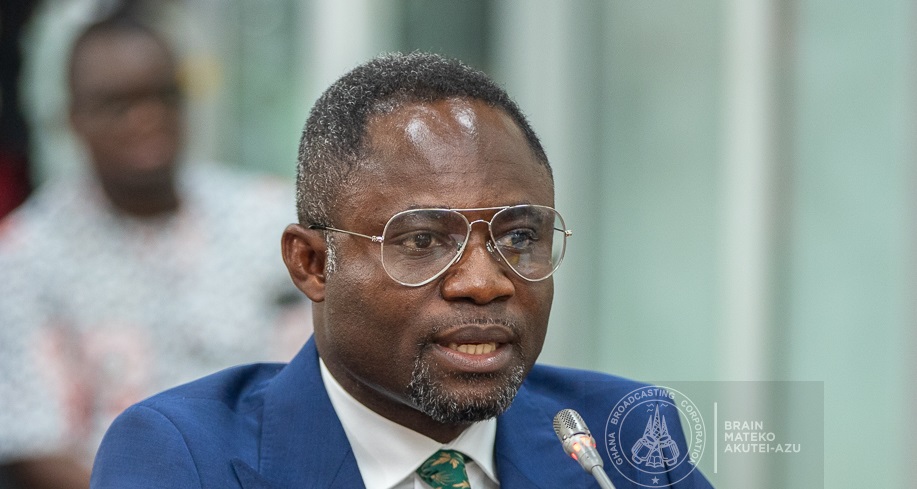
The Minister for Health, Kwabena Mintah Akandoh, has revealed that government’s newly unveiled Free Primary Healthcare policy is deliberately structured to serve the millions of Ghanaians currently excluded from the country’s health insurance architecture.
Speaking during an interview on the Citi Breakfast Show on Wednesday, April 22, the Minister underscored that the policy is a calibrated response to glaring inequities in healthcare access, particularly for citizens unregistered with the National Health Insurance Scheme (NHIS).
He acknowledged that while the NHIS has been instrumental in expanding medical access over the years, a substantial demographic remains uninsured and therefore exposed when seeking even rudimentary medical attention.
“We inherited the National Health Insurance coverage from 57 percent and now we are about 66 percent and what that tells you is that there are over 12 million Ghanaians who are not on Health Insurance and so if you proceed on the assumption that almost everyone is on the NHIS, you are proceeding on very dangerous grounds,” he cautioned.
“The NHIS card takes care of subscribers and so if you are not a subscriber, you cannot access the National Health Insurance. You can access primary healthcare as part of the National Health Insurance as a subscriber and 34 percent of Ghanaians are not subscribers.”
He stressed that the Free Primary Healthcare initiative is engineered to eliminate this structural exclusion by decoupling access to essential health services from NHIS membership.
Under the prevailing framework, individuals outside the NHIS remit are often compelled to bear out-of-pocket expenses for basic care, a deterrent that delays early intervention and exacerbates health complications.
Akandoh noted that the policy aims to dismantle this barrier by rendering primary healthcare universally accessible, irrespective of insurance status.
This encompasses services rendered at frontline facilities including clinics, health centres, and CHPS compounds, which constitute the principal gateway to care for the majority of Ghanaians.