

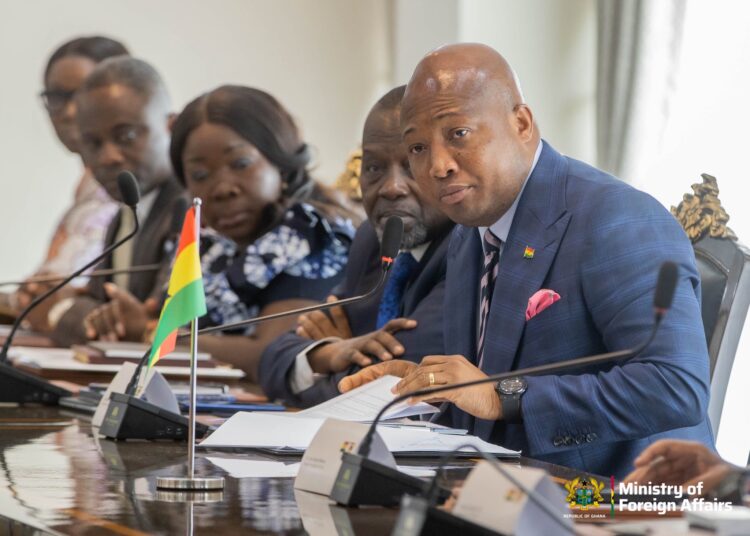
Ghana’s Cabinet has approved new visa waiver agreements with Antigua and Barbuda, the Maldives, and Zambia, marking a significant step in the country’s efforts to strengthen international mobility for its citizens.
The announcement was confirmed by Foreign Minister, Samuel Okudzeto Ablakwa, who described the decision as part of a broader strategy to enhance the value of the Ghanaian passport.
According to the Minister, the agreements will allow citizens of Ghana and the three partner countries to travel without visas for short stays. The policy applies to holders of all categories of passports, including ordinary, service, and diplomatic passports.
The move reflects Ghana’s continued commitment to improving bilateral relations and expanding opportunities for travel, business, and cultural exchange with other nations.
Under the new arrangements, travelers from Ghana, Antigua and Barbuda, the Maldives, and Zambia will be permitted to enter each other’s countries without a visa for a maximum period of 30 days per visit. This provision is expected to ease travel restrictions and promote greater interaction among citizens of the participating countries.
The inclusion of all passport categories ensures that the agreements benefit a wide range of individuals, from government officials and business travelers to tourists and ordinary citizens. Officials believe this comprehensive approach will maximize the impact of the policy.
The agreements are also seen as part of Ghana’s diplomatic efforts to deepen cooperation with countries across different regions, including the Caribbean, Asia, and Africa.
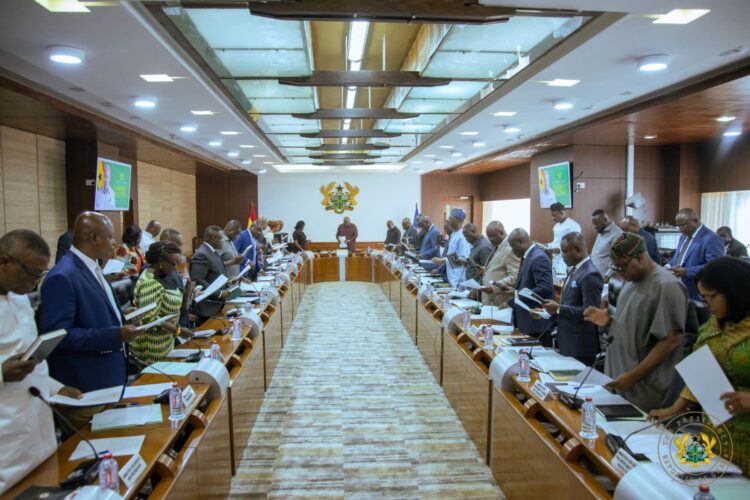
Although Cabinet has approved the agreements, they are yet to take full effect. The next step in the process is parliamentary ratification, which is expected to take place in the near future.
Once ratified, the agreements will become legally binding and operational, enabling travelers to begin taking advantage of the visa free arrangements. Government officials have expressed confidence that Parliament will support the initiative, given its potential benefits for the country.
The ratification process will also provide an opportunity for lawmakers to review the agreements and ensure that they align with Ghana’s broader foreign policy objectives.
The visa waiver initiative forms part of a wider effort by the government to enhance the global standing of the Ghanaian passport. By negotiating such agreements, authorities aim to make it easier for citizens to travel internationally while strengthening Ghana’s diplomatic ties.
Minister Ablakwa indicated that the government will continue to pursue similar agreements with other countries. “We shall keep negotiating more visa waiver agreements as we add greater value to the Ghanaian passport,” he stated, emphasizing the long term vision behind the policy.
The initiative is expected to support tourism, trade, and investment by facilitating easier movement of people. It also aligns with broader efforts to position Ghana as an active participant in global and regional integration.
While expanding travel opportunities, the government has also highlighted the importance of maintaining strong security standards in the issuance of passports. Hon. Ablakwa noted that efforts are underway to enhance protocols surrounding the acquisition of Ghanaian passports.
These measures are intended to ensure that the benefits of visa free travel are not undermined by misuse or fraud. By strengthening verification processes and improving oversight, authorities aim to protect the integrity of the passport system.
The emphasis on security reflects the need to balance openness with responsibility, particularly as Ghana expands its network of visa waiver agreements.
The approval of the visa waiver agreements signals Ghana’s intention to play a more active role in promoting global mobility and cooperation. By reducing barriers to travel, the country is creating new opportunities for engagement across multiple sectors.
The agreements with Antigua and Barbuda, the Maldives, and Zambia highlight the diversity of Ghana’s diplomatic partnerships. They also demonstrate a willingness to explore collaborations beyond traditional regional boundaries.
As the agreements move toward ratification, stakeholders across government and the private sector are expected to explore ways to maximize their benefits. Increased travel flows could contribute to economic growth, cultural exchange, and stronger bilateral relations.