

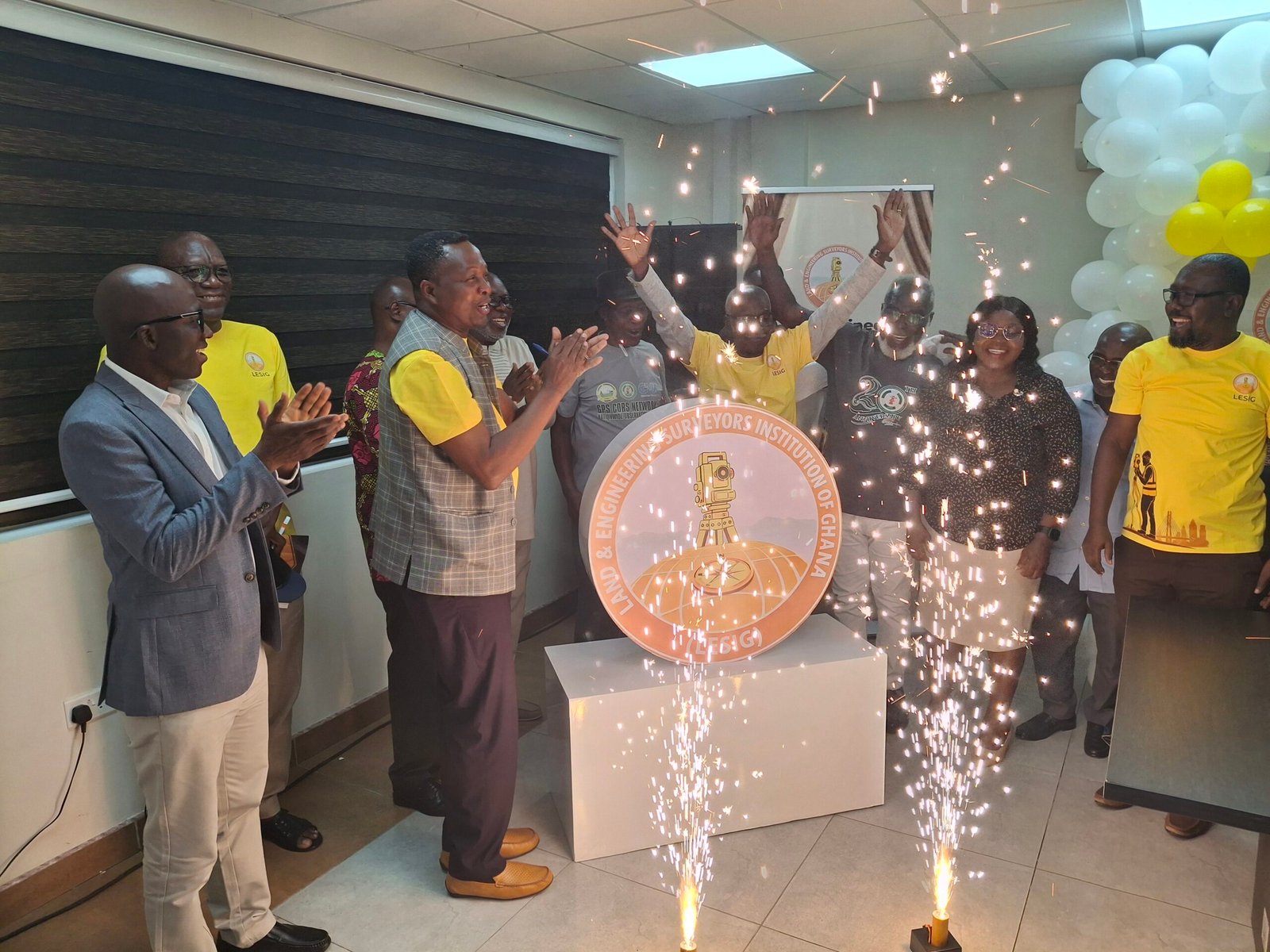
Pushes for Establishment of Survey and Mapping Authority
By Emmanuel Nii Sackey
The Land and Engineering Surveyors Institute of Ghana (LESIG) is calling for a revision of the country’s MAP, believing it was the surest bet in resolving land-related disputes, which have become a burden on the nation’s traditional leaders and also hindering development in many parts of the country.
According to the Institute, Ghana’s current MAP is part of the reason why the country struggles to combat illegal mining activities in various mining communities.
Speaking at the unveiling of the Institution, LESIG Executive Member and licensed surveyor Felix Odum-Boadu stated that revising the country’s MAP is crucial for national development, as it would build and boost investor confidence in land acquisition, ensuring that land is free of litigation and allowing them to establish whatever facilities they need to bolster the country’s economic growth.

He explained that Ghana’s failure to review its MAP has led to an increase in illegal mining activities across the country’s mining communities and has hindered efforts to combat this menace.
He believes that Ghana’s Mortgage Assistance Programme (MAP) has become outdated and urgently needs review to address land disputes and litigation.
Surveyor Odum-Boadu also noted that human activities, such as Galamsey and others, have caused rivers to disappear and new ones to emerge. Consequently, “our maps require updates to accurately reflect these changes.”
Given the significant decline in forest cover and the southward expansion of the desert, these issues demand immediate attention.
He pointed out that other jurisdictions have effectively responded to similar challenges through digitized and accurately surveyed land data, emphasizing the importance of accessible online land information.
“This accessibility facilitates various services, even for those outside the immediate area, allowing individuals to conduct online searches and retrieve land information without requiring physical presence, which could prevent numerous land boundary disputes and litigation.
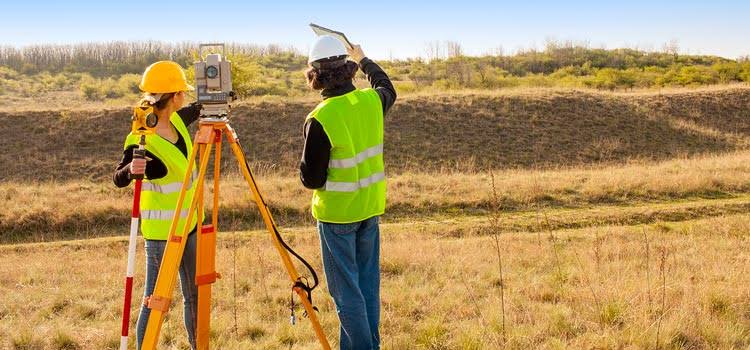
Digitizing land data and attaching ownership information enables legitimate access to land for investors and individuals alike, reducing risks of loss or exploitation.Unfortunately, improper boundary determination has often resulted in ownership verification difficulties and financial losses.
Committing to this digital transformation will ensure transparent property information accessible to all stakeholders.
Leveraging modern technology can help achieve this goal, potentially within 50 years, revolutionizing land management and accelerating development.
The integration of drones with traditional survey methods and the establishment of a dedicated Survey and Mapping Authority would foster coordinated efforts, streamline collaboration, and improve effectiveness.