

By Prince Ahenkorah
Foreign direct investment into Ghana more than quadrupled in 2025, reaching US652 million in 2024.
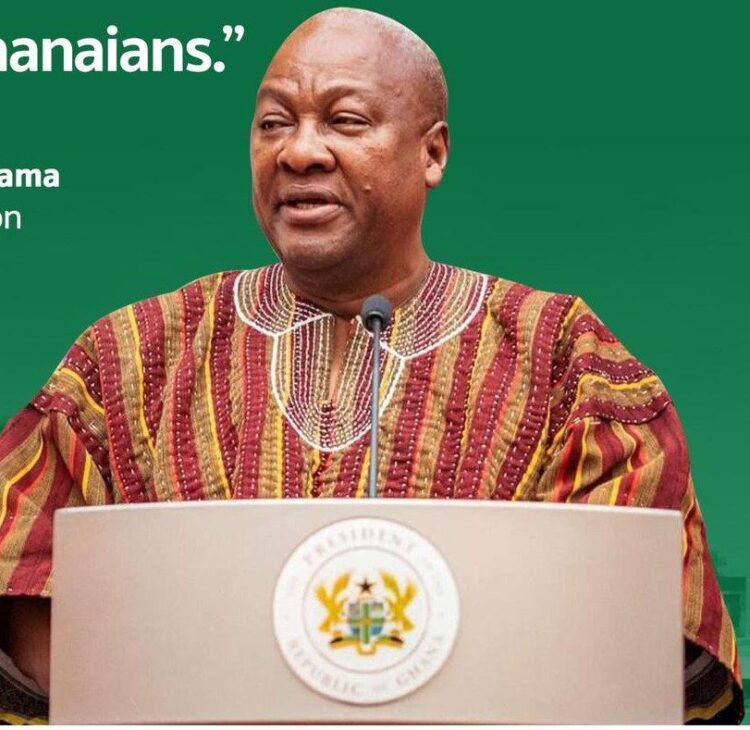
The turnaround is attributed to improved macroeconomic conditions: easing inflation, a relatively stable cedi, and a government determined to signal that the worst of the crisis is over. President John Dramani Mahama’s administration will claim the credit. But the data contains nuance.
Of the US1.83 billion** came from reinvested earnings. That means foreign firms already in the country are choosing to expand rather than withdraw – a positive sign, but not the same as fresh capital crossing the border.
Newly registered GIPC projects accounted for US994 million in existing upstream investments, while Free Zones contributed US$165 million.
By project count, China leads with 70 registered ventures, followed by India (22) and Nigeria (10). But by value, the Cayman Islands tops the list at US486 million. Nigeria put in US100 million. The United States followed with US$51 million.
GIPC CEO Simon Madjie argues that Ghana’s role as host of the African Continental Free Trade Area (AfCFTA) Secretariat gives it a strategic edge. The pitch is not aggressive competition, he says, but a stable gateway to the continental market.
Local businesses are cautiously optimistic. But the sharp rise in FDI much of it recycled profits – raises a familiar question: how much of this wealth sticks? Reinvested earnings are a vote of confidence in Ghana’s operating environment. Yet they also suggest that foreign firms are sitting on substantial existing profits, while local entrepreneurs continue to struggle with access to capital.
Mahama’s team will trumpet the numbers. The real test is whether the $2.6bn translates into jobs, technology transfer, and a widening of the productive base – or merely a more comfortable return for investors already inside the gate.