

as Ghana Raises Alert Level
By Prince Ahenkorah
The World Health Organization has classified the latest Ebola outbreak as a Public Health Emergency of International Concern (PHEIC) a rare designation that triggers tighter surveillance and preparedness worldwide.
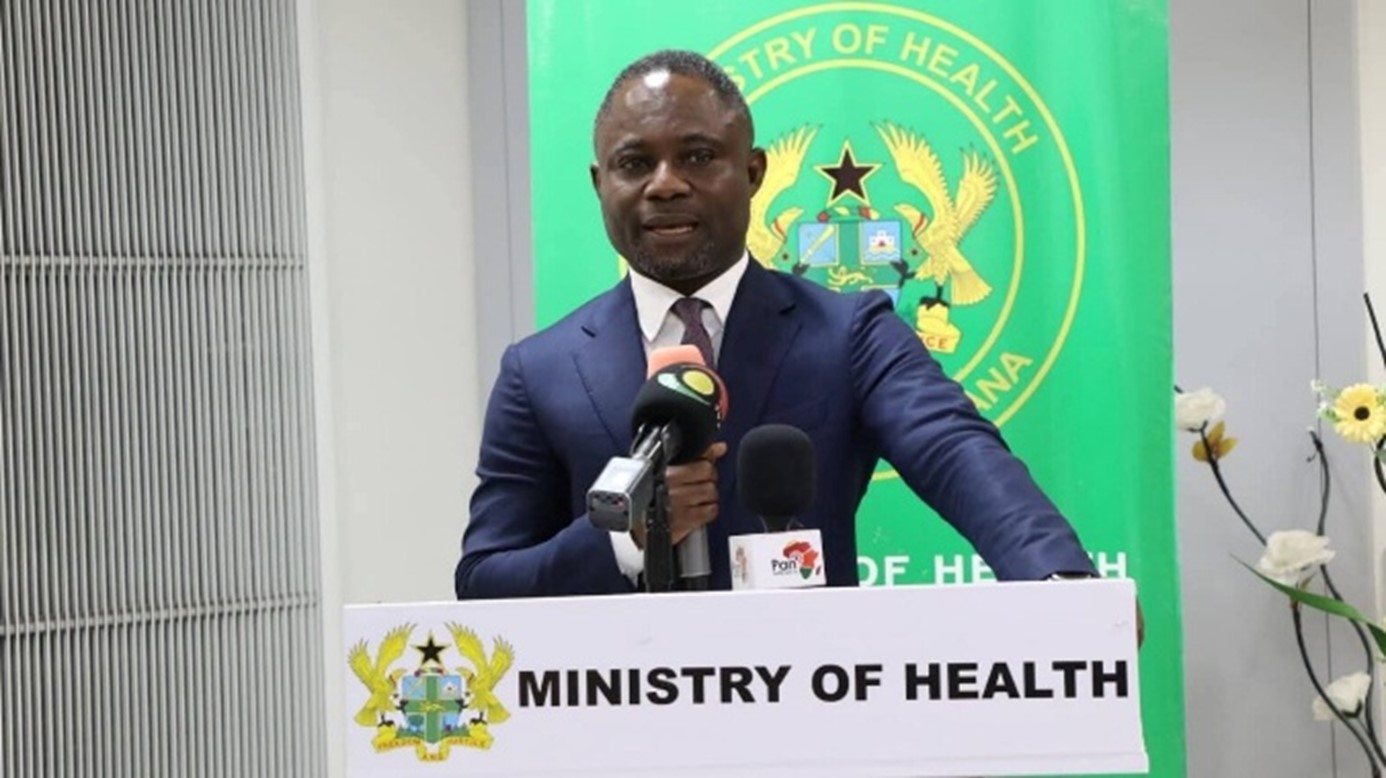
Ghana’s Ministry of Health, in a statement signed by Minister Kwabena Mintah Akandoh, said the decision reflects both the disease’s severity and the risk of cross-border spread. Ebola, a viral haemorrhagic fever with high fatality rates, transmits through direct contact with infected bodily fluids or contaminated surfaces.
No confirmed cases have been reported in West Africa, let alone Ghana. Yet the Ministry is urging calm without complacency. Officials have advised the public to observe strict safety protocols, especially at mass gatherings: carry personal sanitisers, wash hands regularly with soap or alcohol-based rubs, and ensure event venues provide handwashing stations.
The government’s caution extends to homes, schools, markets, workplaces and points of entry, where hand hygiene facilities are to be made readily available. Authorities also warn against spreading unverified information, directing citizens to rely solely on official health channels.
Anyone experiencing sudden fever, headache, muscle pain, vomiting, diarrhoea or unexplained bleeding should seek immediate medical attention. Early detection, the Ministry notes, significantly improves survival and containment.
The Ministry of Health and the Ghana Health Service backed by national and international partners have intensified screening and response measures. They promise regular updates and appeal for collective vigilance. No cases yet, but the message is clear: prepare, don’t panic.