Author: Kwesi B. Randolph Johnson
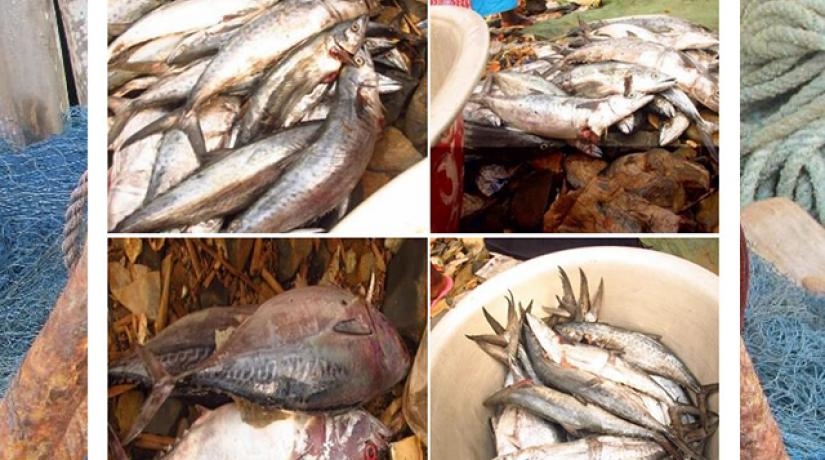
It is no secret that application of “obnoxious “chemical” in fishing is one of the most confrontational issues that has bedevilled fisheries in Ghana in recent times. Evidence of chemical fishing has widely been corroborated by fish processors in almost all major coastal fishing communities in Ghana. They complain of fish going bad (discoloration soon after purchasing, and disintegrating when being smoked etc.)
The recent innovation by Professor Ernest Teye of the University of Cape Coast (UCC) in Ghana, who developed an AI-powered handheld device capable of detecting dangerous chemicals and adulterants in food within seconds, is more than a scientific breakthrough.

It is a national wake-up call. At a time when food fraud, toxic contamination, and environmental degradation are becoming increasingly widespread, Ghana must recognise that the same scientific vigilance being applied to detect chemicals in palm oil, honey, cocoa, and fresh produce must also be urgently directed toward our marine and fisheries sector. The fight against chemical fishing is no longer merely an environmental issue; it is a public health crisis, a livelihoods crisis, and a human security emergency.
For close to two decades, stakeholders engaged in sustainable fisheries advocacy in Ghana have repeatedly encountered grassroots fisherfolk, chief fishermen, queen fishmongers, fisheries observers, and even law enforcement officers lamenting the absence of practical gadgets and rapid testing tools capable of detecting chemically contaminated fish at landing beaches and markets.
Across coastal communities, many have consistently asked a simple but important question: How do we scientifically prove that fish has been harvested using chemicals when communities suspect foul play?
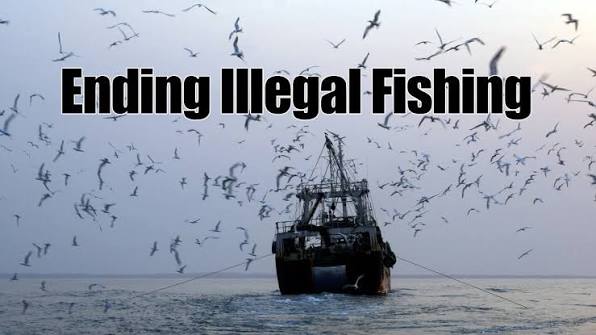
Unfortunately, despite years of advocacy, awareness campaigns, arrests, and stakeholder engagements, the technological support required for effective field-level detection has remained largely unavailable or inaccessible. Fisheries officers and marine police enforcement agencies have often had to rely on visual suspicion, community intelligence, or delayed laboratory testing processes that are expensive, cumbersome, and sometimes inconclusive. Now, Ghana has a home-grown innovation.
The emergence of Prof. Ernest Teye’s portable food integrity detection technology presents a major opportunity that Ghana must not ignore. If this technology can detect ‘Sudan dye’ in palm oil, excessive sugar in honey, contaminants in cocoa, rice, and fresh produce within seconds, then surely the nation must begin exploring how similar scientific systems can be adapted and deployed to detect chemical contamination in fish and other seafood products.
It is about time that Ghana seriously invested in such locally developed technologies to help promote and protect human security, food safety, environmental sustainability, and coastal livelihoods.
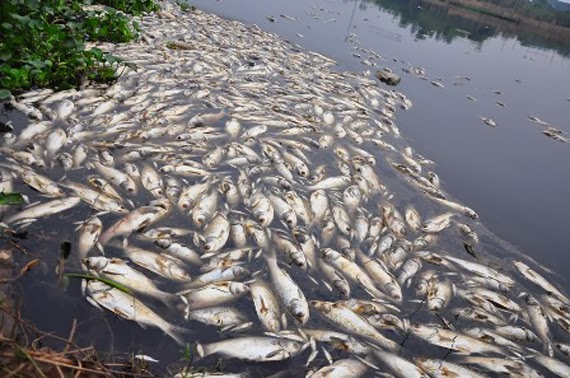
The reality is frightening. Chemical fishing involves the use of dangerous substances such as DDT, pesticides, carbide, detergents, industrial chemicals, and poisonous concoctions to harvest fish. While these substances may temporarily increase catches, they poison marine ecosystems, destroy fish spawning grounds, contaminate seafood, and threaten public health.
The toxic effects do not end in the sea. These chemicals enter the human food chain. Fish contaminated by hazardous substances are consumed daily by ordinary Ghanaians in homes, schools, restaurants, and markets.

The long-term consequences of consuming “bad fish” may include cancers, organ failure, hormonal disruptions, neurological disorders, reproductive complications, and developmental problems in children.
Beyond health concerns, chemical fishing is devastating Ghana’s fisheries economy and coastal social fabric. Millions of people depend directly or indirectly on fisheries for survival – including fishermen themselves, fish processors, canoe carvers, transporters, traders, and exporters. As fish stocks continue to decline under pressure from illegal and destructive fishing methods, poverty deepens in coastal communities, youth unemployment worsens, and social vulnerabilities increase.
This is why the issue must also be understood as one of livelihood security and national stability. Importantly, Ghana already possesses legal and policy frameworks that prohibit destructive fishing practices and support environmental protection.
The Fisheries and Aquaculture Act, 2025 (Act 1146) expressly prohibits the use of harmful chemicals, light attraction methods, explosives, and other destructive fishing techniques. The Fisheries Regulations, 2010 (L.I. 1968) further strengthens restrictions against illegal fishing practices and outlines sanctions for offenders.
Additionally, the Environmental Protection Agency operates under the Environmental Protection Agency Act, 1994 (Act 490) to regulate environmental pollutants and hazardous substances, while the Food and Drugs Authority is mandated to protect public health by ensuring food safety standards. Yet enforcement remains a major challenge, particularly where scientific detection capacity at the community level is weak.
This is where innovation must meet governance.
Imagine fisheries inspectors, navy personnel, marine police units, public health officers, and community watchdog committees equipped with portable AI-powered testing devices capable of screening fish directly at landing beaches, markets, cold stores, and ports.
Imagine rapid-response mobile fisheries integrity laboratories moving across Ghana’s coastline to support evidence-based enforcement and consumer protection.
Such interventions could transform the fight against illegal fishing and significantly strengthen Ghana’s blue economy agenda.
But government cannot do it alone. Universities, civil society organisations, traditional authorities, community leaders, development partners, and fisherfolk associations must all collaborate to support the adaptation and scaling of these technologies. Public education campaigns must intensify. Young people in coastal areas must be engaged as environmental stewards.
Alternative livelihoods and social protection support must also be expanded to reduce economic desperation that fuels illegal fishing.
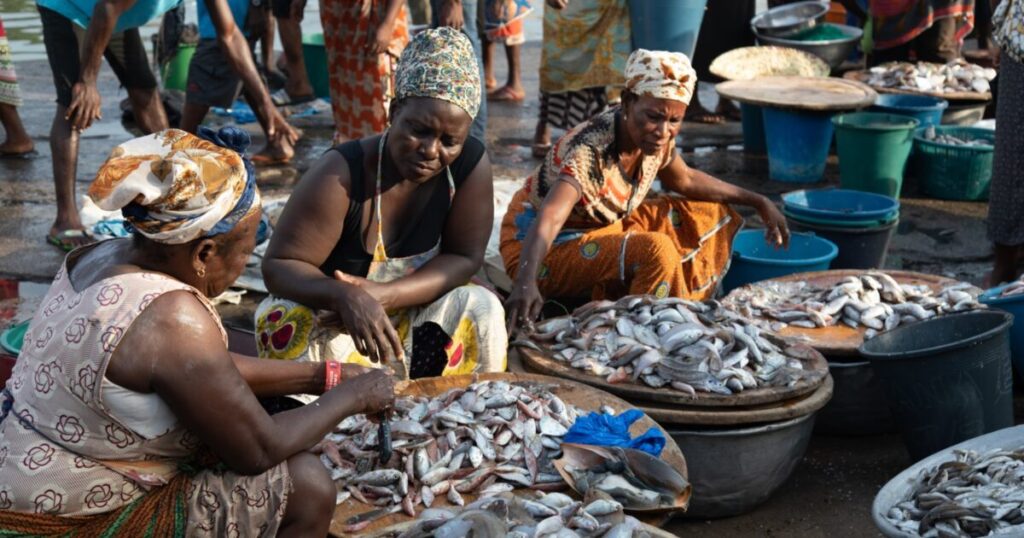
The sea has sustained Ghanaian civilisation for generations. It has fed families, preserved culture, created employment, and supported national development. To poison the sea through chemical fishing in the name of sustaining business investment is not only callous but ultimately to poison ourselves.
The innovation emerging from the UCC should therefore inspire a broader national movement – one that combines science, policy, community participation, and political will to protect our fisheries resources and defend the health and dignity of future generations.
Ghana now has an opportunity to demonstrate that local innovation can solve local problems. The question is whether we will act with the urgency and seriousness that the moment demands.