

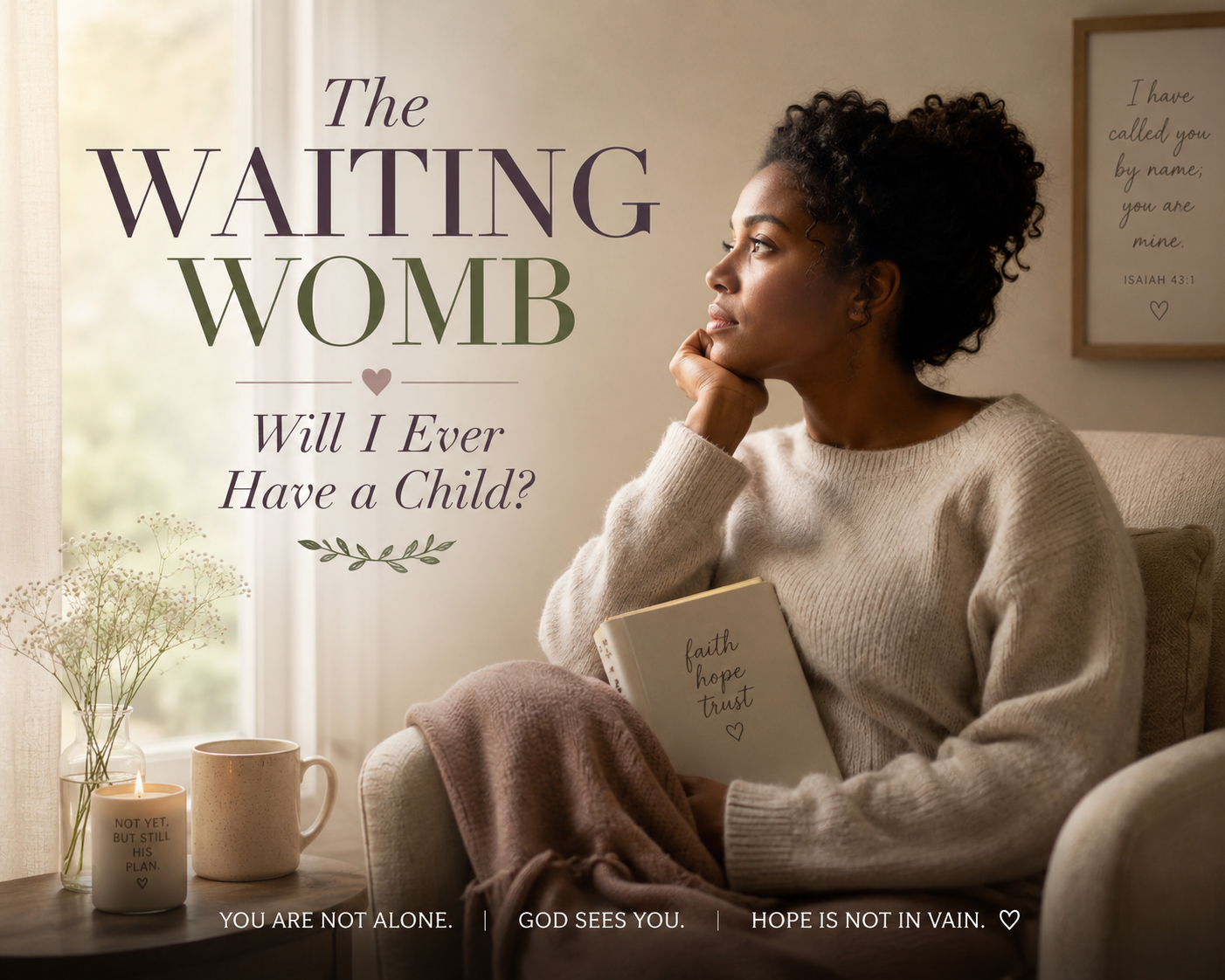
…Will I ever have a child?
By Nelson Ayivor
There are questions that echo louder in the silence of the night than they do in crowded rooms. Questions that sit heavily on the heart and refuse to leave. For many women and couples around the world, one such question is painfully familiar: “Will I ever have a child?” It is a question born not only from longing, but from love. A love for a child not yet seen. A dream not yet touched. A cradle not yet rocked. A name not yet spoken aloud. The waiting womb is more than a physical condition. It is an emotional battlefield.
It is the quiet ache behind forced smiles at baby showers, the hidden tears after another negative test, the silent grief of hearing people ask, “When are you having children?” as though it were a simple decision rather than a daily heartbreak.
For many, infertility and delayed childbirth are invisible struggles. The world often sees the woman dressed beautifully for church, work, or family gatherings, but it does not see the tears she cried before stepping out of the house.
It does not hear the prayers whispered into pillows at midnight. It does not understand the emotional exhaustion of hoping every month, only to be disappointed again. Yet within this painful waiting lies a story that deserves compassion, dignity, and hope.
The Weight of Expectations
In many societies, motherhood is treated as a measure of womanhood. From a young age, girls are raised to believe that one day they will marry and bear children. While motherhood is beautiful, the pressure surrounding it can become cruel.
A woman who has waited years for a child often carries invisible wounds. Some face judgment from relatives. Others endure whispers in their communities. Some are blamed unfairly, even when medical science shows that fertility challenges can affect both men and women.
The waiting womb can make even joyful occasions feel painful. The announcement of another pregnancy. The naming ceremony of a friend’s baby. The innocent laughter of children playing nearby. These moments can become reminders of what has not yet happened. And so many suffer in silence because society teaches them to hide their pain. But pain hidden is still pain.
You Are More Than Your Womb
One of the greatest lies the waiting heart believes is this: “If I cannot have a child, then I am incomplete.”
That is not true. A woman’s worth is not measured by her fertility. Her value does not rise or fall with the results of a medical report. She is not less human because her journey is difficult. Some of the strongest women in history carried deep personal sorrows while still changing lives around them. Their inability to conceive immediately—or at all—did not erase their intelligence, kindness, purpose, or dignity.
Motherhood is meaningful, but it is not the only proof of a meaningful life.
There are women who nurture communities, heal broken hearts, teach generations, support families, build businesses, inspire nations, and carry compassion into places darkness once lived. Their impact reaches far beyond biology. The waiting womb may delay a dream, but it should never destroy self-worth.
The Silent Battle Between Faith and Fear
Waiting has a way of testing the soul. At first, hope comes easily. “Maybe next month,” you say. Then months become years. Hope begins to wrestle with fear. Faith begins to struggle against disappointment.
There are days when prayers feel unanswered. Days when heaven seems quiet. Days when even encouraging words from loved ones feel empty. But human strength was never designed to carry endless disappointment alone.
Sometimes survival comes not from having all the answers, but from choosing not to surrender completely. That choice matters. Because hope is not denial. Hope is courage. It is waking up after heartbreak and still daring to believe life can change. It is choosing to live fully even while carrying unanswered questions.
Hannah’s Cry and Every Woman’s Cry
In the Bible, Hannah wept bitterly because she longed for a child. Her pain was so deep that even the priest misunderstood her anguish. Yet her story reminds us that longing does not make someone weak. Tears are not failure.
Across generations, countless women have carried Hannah’s cry in different forms. Some eventually held children in their arms. Others found purpose through adoption, mentorship, caregiving, or service. Some never fully understood why their path unfolded differently. But none of their lives were meaningless. The human story is larger than one chapter.
When the Miracle Takes Time
We live in a world that celebrates instant results. Fast internet. Fast food. Fast success. But some of life’s deepest journeys refuse to follow quick timelines. Seeds buried beneath the soil appear lifeless before they bloom. The waiting season often shapes qualities that comfort never could—patience, empathy, resilience, compassion, endurance, and spiritual depth.
This does not mean the pain is easy. It is not. But difficult seasons can produce extraordinary strength. Some couples emerge from years of waiting with deeper love for one another because they learned to hold each other through storms instead of abandoning ship.
Some individuals discover hidden purpose in helping others facing similar pain. Some grow spiritually in ways they never imagined. The waiting season may not look beautiful while living through it, but it can still produce beauty.
To the Woman Who Is Tired
To the woman who is exhausted from pretending she is okay: You are allowed to grieve. You are allowed to ask difficult questions. You are allowed to feel sadness when others celebrate what you desire. You are allowed to seek medical help without shame. You are allowed to rest from the pressure of explaining yourself to everyone. And above all, you are allowed to keep living.
Do not put your entire life on hold waiting for one chapter to begin. Laugh again. Travel if you can. Build meaningful friendships. Pursue purpose. Care for your health. Protect your peace. Life is still happening now.
To Couples Walking This Road Together
Infertility can either divide a marriage or deepen it. The healthiest couples learn that the problem is not each other. The problem is the challenge they are facing together. Blame destroys intimacy. Compassion rebuilds it. Men, especially in many cultures, are often taught to suppress emotions. But this journey affects fathers too. Many men suffer silently while trying to appear strong for their partners. Honest communication matters. Emotional support matters. Sometimes the greatest act of love is simply staying present for one another.
There Is Still Hope
Hope does not always arrive in the form we originally imagined. For some, hope becomes natural conception after years of waiting. For others, it comes through medical intervention, adoption, fostering, or spiritual motherhood and fatherhood. And for some, hope becomes the strength to live joyfully even without all the answers they once demanded from life.
No matter how your story unfolds, your life still carries value, purpose, and possibility. The waiting womb is not an empty life. It is a human life carrying longing, courage, endurance, and invisible strength. One day, the tears you cried in silence may become the very words that heal another wounded heart.
And perhaps that, too, is a form of motherhood — giving life to hope in someone else who nearly gave up.
So if tonight you find yourself asking, “Will I ever have a child?” know this: Your story is not over. And neither is your hope.
The writer is Associate Editor at The New Republic. He enjoys writing on compelling topics in religion and spirituality and draws inspiration from his faith and life’s experiences.