

By Nelson Ayivor & Kwesi B. Randolph Johnson
On Saturday 30th May 2026, as we watched the UEFA Champions League final on TV played in the beautiful city of Budapest, we were deeply moved. The sight of the blue waters of the Danube River flowing gracefully through the city, the lush greenery, urban forests, well-maintained parks, and the harmony between nature and development left me both inspired and saddened.
It made me ask myself a difficult question – “Why are we failing to protect the environment that sustains us?”
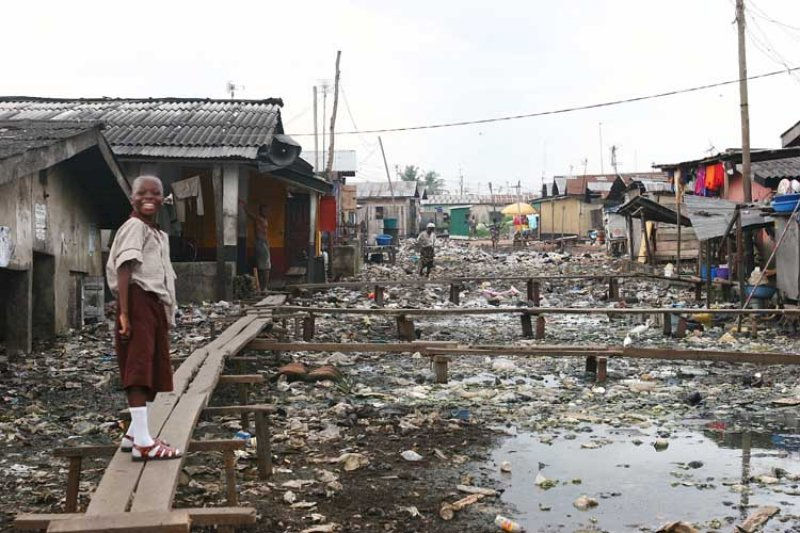
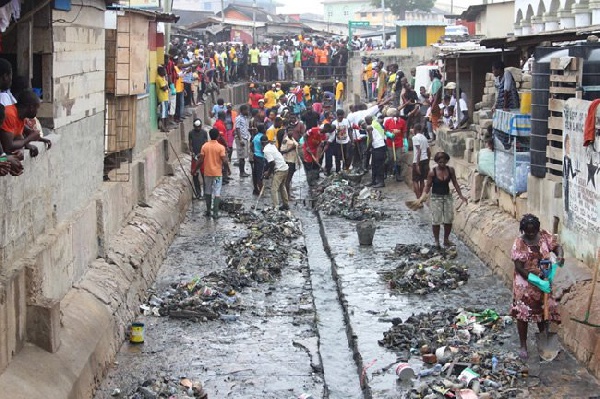
The contrast between Budapest’s thriving natural environment and the condition of many of Ghana’s water bodies is heartbreaking. Rivers and lagoons such as the Chemu, Sakumo, Korle, Densu, Pra, Birim, Ankobra, Bia, Tano, Subin, and Odaw have suffered years of pollution, encroachment, poor waste management, illegal mining, and neglect for decades.
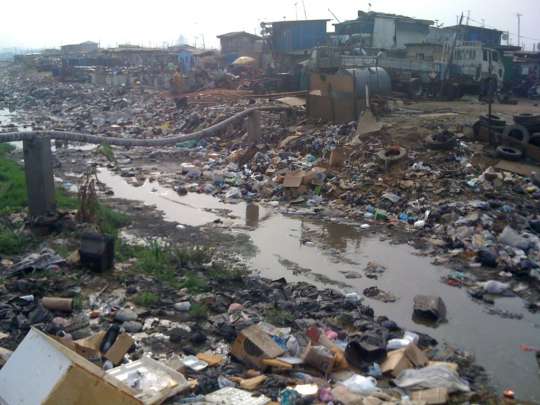
These water bodies were once sources of life, food, transportation, recreation, and ecological balance.
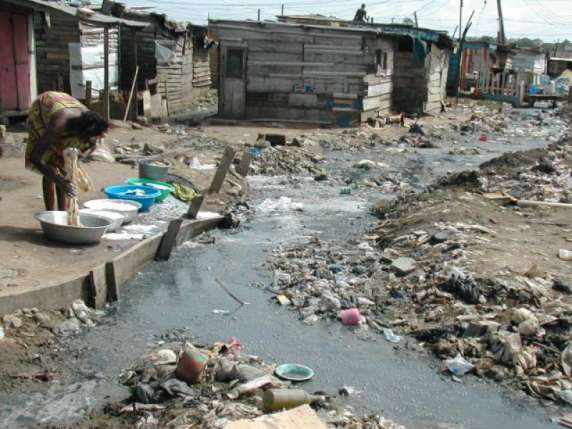
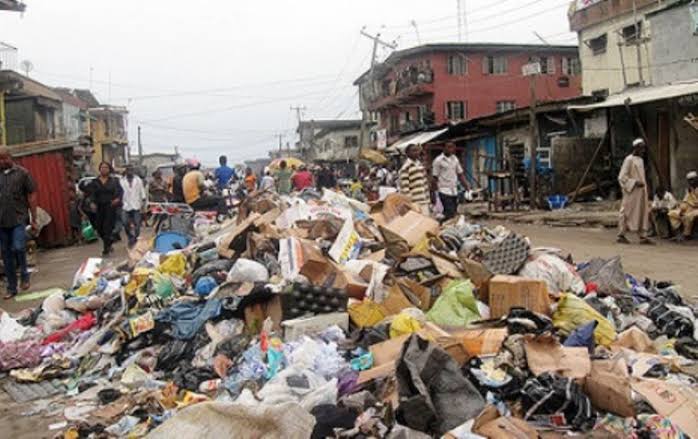
Today, many have become symbols of environmental degradation, overwhelmed by plastic waste, untreated sewage, industrial pollution, and irresponsible human activities.
This situation is not merely a failure of government or leadership. It is also a reflection of our collective attitudes and actions as citizens. Weak enforcement of environmental regulations, irresponsible/selfish land management, inadequate sanitation infrastructure, unchecked greed, and a culture of indifference among others have combined to place our natural heritage under severe threat.
The experience of cities like Budapest demonstrates that environmental protection is achievable when leadership, institutions, and citizens work together with a shared commitment to sustainability.
Clean rivers, protected wetlands, urban forests, efficient waste management systems, and environmentally conscious citizens do not emerge by accident; they are the result of deliberate policies, investments, enforcement, and responsible behavior.
As Ghanaians, we must recognize that protecting our environment is not an optional activity – it is essential for public health, food security, climate resilience, tourism, economic growth, and the well-being of future generations.
The restoration of our rivers, lagoons, wetlands, forests, and coastal ecosystems requires urgent action. We need stronger environmental governance, improved sanitation services, effective waste management systems, environmental education, and a renewed sense of civic responsibility.
Nature has been generous to Ghana. We are blessed with rivers, forests, wetlands, coastlines, and biodiversity that many nations would envy. The question is whether we have the vision and discipline to preserve these gifts.
Looking at the beauty of Budapest and the magnificent Danube, we were reminded that a clean and healthy environment is not a luxury. It is a choice that societies make.
Ghana can make that choice too. The responsibility belongs to all of us – leaders, institutions, communities, and individual citizens.
The future of our environment depends on what we do today.