

Author: Oscar Akaba-Norvixoxo
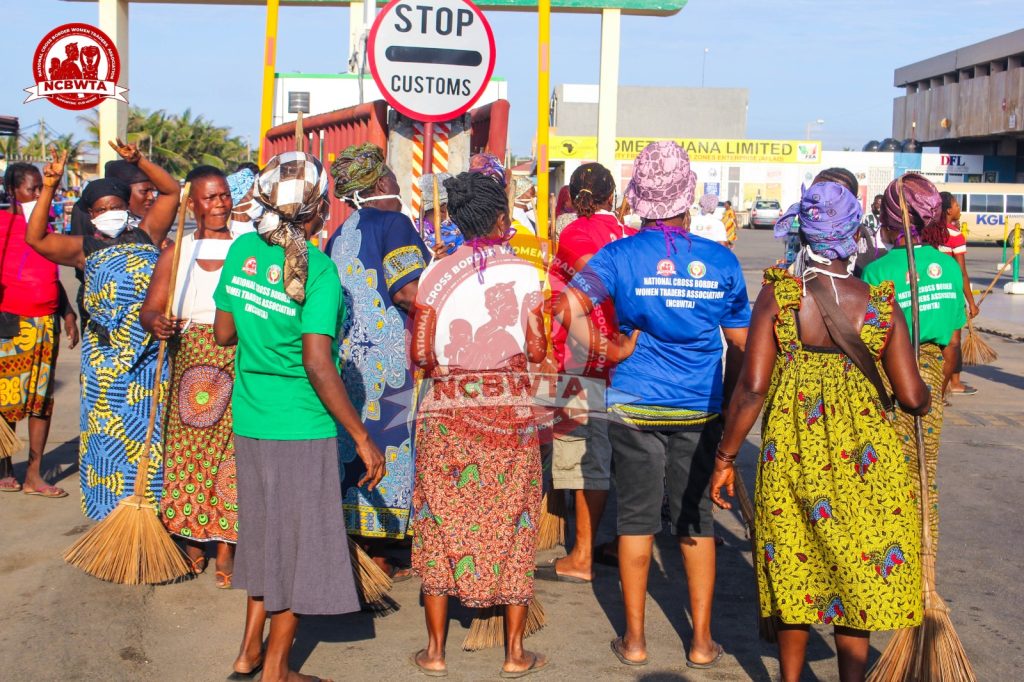
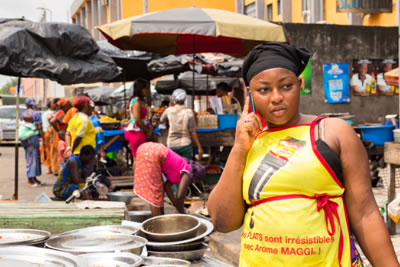
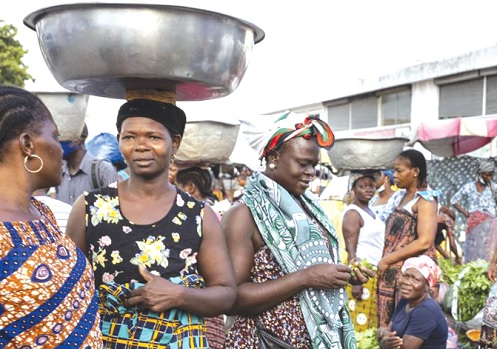
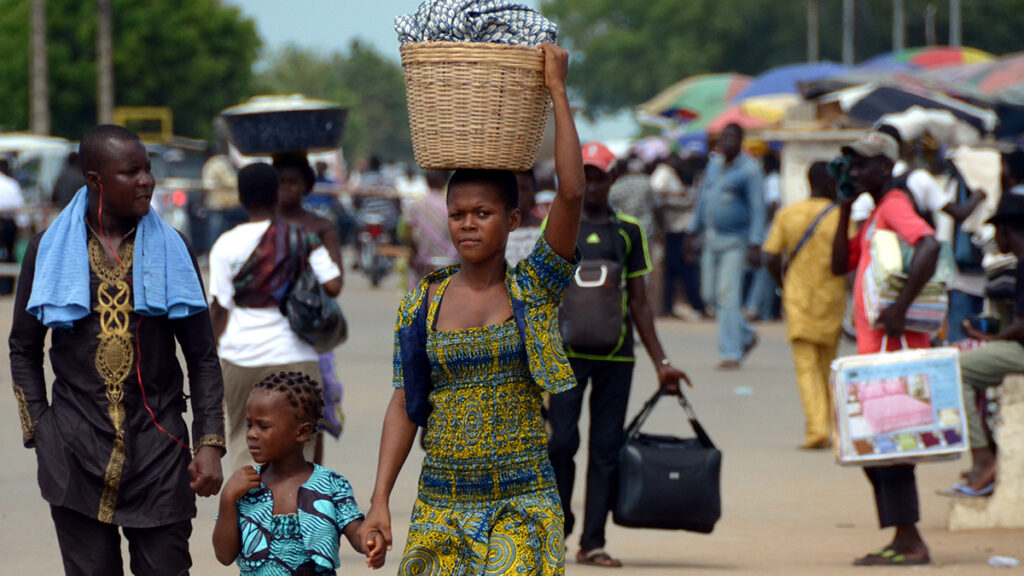
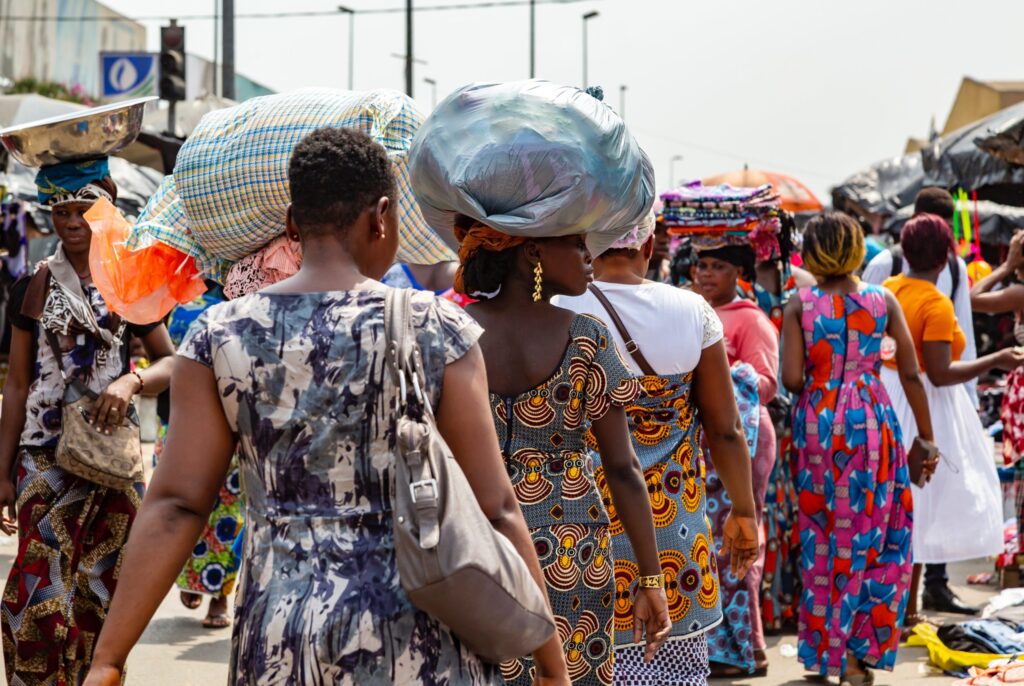
For years, cross-border women traders have remained among the most important contributors to Ghana’s regional trade economy. Operating across border communities such as Aflao, Akanu, Elubo, Paga, and Hamile, these women facilitate the movement of goods, support household incomes, create employment opportunities, and contribute significantly to economic growth and regional integration.
Yet, despite their vital role in sustaining trade and livelihoods, many of these women feel increasingly disconnected from national decision-making processes.
One issue that has become a source of concern for members of the National Cross-Border Women Traders Association is their inability to secure an audience with Ghana’s only female Vice President, Professor Jane Naana Opoku-Agyemang. To these women, the Vice President represents not only a national leader but also a symbol of women’s empowerment, inclusion, and social progress.
Over the past months, the Association has submitted several official letters requesting an audience with the Vice President. Petitions highlighting the challenges confronting cross-border women traders have also been forwarded through the appropriate channels. These communications sought an opportunity to discuss practical issues affecting women traders, including non-tariff barriers, excessive checkpoints, trade-related harassment, limited access to finance, inadequate trade information, and the difficulties associated with cross-border commerce within the ECOWAS region.
Unfortunately, despite these efforts, the Association has yet to receive a formal response. The prolonged silence has left many traders wondering whether the challenge is one of protocol barriers, administrative bottlenecks, or a broader disconnect between grassroots economic actors and national policymakers.
The concern is not merely about access to a public official. Rather, it is about the importance of ensuring that those who contribute significantly to national and regional economies have an opportunity to share their experiences and participate in policy discussions that directly affect their livelihoods.
Cross-border women traders occupy a unique position within Ghana’s economy. They are often the first link in regional supply chains and play a critical role in food distribution, market integration, and informal trade. Yet they remain among the groups most affected by policy inconsistencies, border delays, and non-tariff barriers.
For many traders, the absence of any acknowledgement of their letters and petitions is particularly disappointing. While they recognize the demanding schedules and responsibilities of senior government officials, they also believe that a response—whether positive or otherwise—would demonstrate respect for their concerns and contributions.
The traders maintain that their request is not political. It is a call for dialogue, inclusion, and partnership. They seek an opportunity to present practical recommendations on trade facilitation, women’s economic empowerment, border management, digital trader identification systems, and measures to reduce barriers to trade.
Their appeal aligns closely with Ghana’s commitment to inclusive development, women’s empowerment, and the objectives of regional initiatives such as the African Continental Free Trade Area (AfCFTA) and the ECOWAS integration agenda.
As Ghana continues to champion gender equality and economic transformation, there is an opportunity to strengthen engagement between government and grassroots stakeholders. Creating direct channels of communication with organized trader groups would not only improve policy responsiveness but also reinforce public confidence in national institutions.
The continued efforts of cross-border women traders to engage with the Office of the Vice President reflect their belief in dialogue rather than confrontation. Their hope remains that their letters, petitions, and appeals will eventually receive the attention they deserve.
For these women, the request is simple: to be heard, to be acknowledged, and to contribute their experiences toward building a more inclusive and prosperous trading environment for Ghana and the West African region.
Until then, their unanswered letters remain a powerful reminder that meaningful inclusion is not only about representation in leadership but also about ensuring that the voices of ordinary citizens can reach the highest offices of the land.
Tbe writer is a Trade Consultant and National Coordinator, National Cross-border Women Traders Association, Ghana.