

By Leo Nelson
Ghana’s inflation rate has recorded a slight increase, with the latest figures showing that rising food prices are once again exerting pressure on household budgets across the country.
According to the May 2026 Consumer Price Index and Inflation Report released by the Ghana Statistical Service (GSS), year-on-year inflation rose to 3.7 percent in May from 3.4 percent in April. While the increase appears modest, it signals a shift in price trends that policymakers, businesses, and consumers will be monitoring closely in the months ahead.
The latest data come at a time when Ghana has been celebrating significant progress in reducing inflation from the elevated levels witnessed over the past few years. Just twelve months ago, inflation stood at 18.4 percent, highlighting the remarkable improvement in overall price stability.
Food Prices Lead the Inflation Surge
Food inflation emerged as the biggest contributor to the latest rise in consumer prices. The report revealed that food inflation increased sharply from 2.2 percent in April to 3.3 percent in May, underscoring the continued vulnerability of food markets to supply and demand shocks.
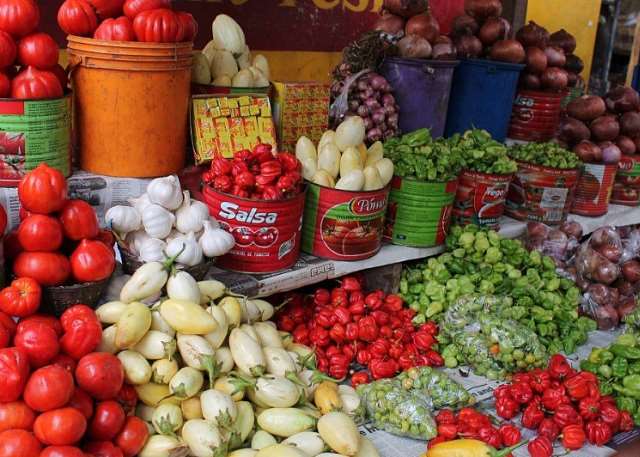
Several staple food items experienced notable price increases during the month. Fresh tomatoes, green plantain, river fish, ginger, smoked herrings, and cooked rice all recorded price hikes that contributed significantly to the overall inflation figure.
For many households, these products form an essential part of daily consumption. As a result, even relatively small increases in their prices can have a noticeable impact on family budgets, especially among low and middle-income earners.
The rising cost of food is expected to remain a key concern as consumers continue to navigate changing market conditions.
Some Relief from Falling Prices
Despite the increase in food inflation, the report also highlighted encouraging developments in other food categories.
Prices of maize, garden eggs, fresh okro, cocoyam leaves, fried fish, and beans declined during the period, helping to moderate the overall inflationary pressure.
These reductions prevented inflation from climbing even higher and offered some relief to consumers facing increased costs elsewhere.
Analysts believe the mixed price movements reflect ongoing adjustments within Ghana’s agricultural supply chains, where seasonal production patterns continue to influence market prices.
Monthly Inflation Signals Continuing Pressure
The report also showed that month-on-month inflation reached 1.1 percent between April and May 2026.
This means that prices increased by an average of 1.1 percent within a single month, indicating that households and businesses still experienced noticeable increases in the cost of goods and services despite the relatively low annual inflation rate.
For businesses, particularly those dependent on raw materials and food supplies, the latest figures may influence pricing decisions and operational planning in the coming months.
Economists note that while annual inflation remains historically low compared to recent years, month-to-month movements often provide early signals about emerging pressures within the economy.
Macroeconomic Stability Remains Strong
Although the inflation rate ticked upward, the broader picture remains one of substantial improvement.
The decline from 18.4 percent in May 2025 to 3.7 percent in May 2026 reflects significant progress toward restoring macroeconomic stability and strengthening confidence in the economy.
Lower inflation generally supports consumer purchasing power, encourages investment, and creates a more predictable environment for businesses.
The latest figures suggest that Ghana’s economic recovery remains on track, even as certain sectors continue to face price pressures.
Government officials and policymakers are likely to view the current inflation level as evidence that stabilization measures are yielding positive results, while remaining mindful of the need to contain emerging risks.
GSS Highlights Importance of Reliable Data
Government Statistician Dr. Alhassan Iddrisu emphasized the importance of inflation data in supporting informed decision-making across the economy.
He noted that understanding price movements is critical for households managing budgets, businesses planning investments, researchers analyzing economic trends, and policymakers designing interventions that affect millions of citizens.
Dr. Iddrisu also commended the efforts of Ghana Statistical Service staff who collect and process data nationwide, as well as market traders, price reporters, media partners, and stakeholders whose cooperation contributes to the credibility of Ghana’s statistical system.
Their collective efforts continue to provide the reliable information needed to guide economic planning and policy formulation.
Outlook Remains Cautiously Optimistic
While the rise in inflation to 3.7 percent may attract attention, the broader trend suggests that Ghana remains on a path of improving economic stability.
The challenge going forward will be managing food price pressures while sustaining the gains achieved over the past year. If current stability is maintained and supply conditions improve, inflation could remain within manageable levels despite temporary fluctuations.
In the interim consumers, businesses, and policymakers will be watching future inflation releases closely as they assess whether May’s increase represents a short-term adjustment or the beginning of a new upward trend in prices.