

The measure of a nation is not how it treats those who agree with it. It is how it treats those who challenge it.
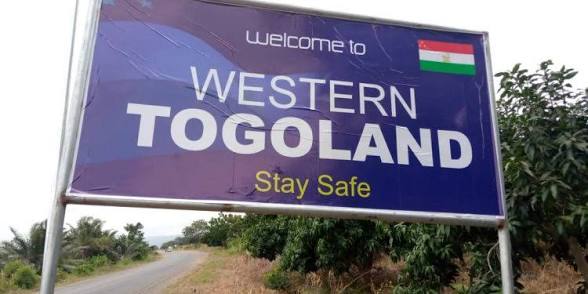
Today, Ghana stands at such a crossroads. For decades, individuals and groups advocating for the rights of Western Togoland have maintained that unresolved historical and legal questions continue to affect their people’s right to self-determination. Whether one agrees with their position or not, one undeniable fact remains: their grievances have not disappeared.
Instead, many activists’ peaceful associations, demonstrations and demands have been met with arrests, prolonged detentions, prosecutions, intimidation, tortures, and the deployment of state power rather than meaningful dialogue. This should concern not only Ghana but also the African Union and the United Nations.
The issue at stake is larger than Western Togoland. It is the principle that peaceful political grievances should be addressed through law, dialogue, and justice rather than suppression and neglect. History offers countless warnings about the dangers of ignoring legitimate grievances.
Across the world, conflicts have emerged not because people were heard, but because they were not. They arose when communities lost confidence that peaceful mechanisms could deliver justice.The lesson is not that violence is justified.
The lesson is that justice neglected becomes peace endangered. No responsible observer wishes to see another preventable conflict emerge on the African continent. The costs are too high. Lives are lost. Economies suffer. Communities are divided. Generations inherit wounds they did not create.This is why duty bearers have a special responsibility.
For Ghana, that responsibility means demonstrating that democracy is strong enough to accommodate dissent. It means recognizing that national unity is best secured through legitimacy and consent, not fear and coercion. It means ensuring that courts, security agencies, and political institutions are never perceived as instruments for suppressing peaceful advocacy.
For the African Union, the responsibility is equally profound. The AU was founded upon principles of human dignity, justice, and the peaceful resolution of disputes. Silence in the face of unresolved claims risks creating the perception that these principles apply selectively. The African Union should encourage constructive engagement, impartial examination of grievances, and the pursuit of durable solutions consistent with international law and human rights.
The United Nations also bears a responsibility. The UN Charter and international human rights instruments affirm the importance of self-determination, freedom of expression, freedom of association, and protection from arbitrary detention. When allegations arise that these rights are being restricted, the international community must not look away. Its role is not to predetermine outcomes but to ensure that peaceful claims receive peaceful consideration.
The greatest danger is not disagreement.The greatest danger is the belief that disagreement can be permanently silenced. Governments may suppress demonstrations. They may arrest activists. They may restrict political space. But history repeatedly shows that unresolved grievances rarely disappear. They often become more deeply rooted, passing from one generation to the next. This is why wisdom demands action before frustration hardens into alienation and alienation hardens into conflict.
The world has witnessed too many situations where people felt their backs were against the wall, where lawful avenues appeared closed, and where tensions eventually escalated into crises that might have been avoided. Every such tragedy began with warning signs. The purpose of recalling those lessons is not to threaten.It is to prevent.
Ghana has an opportunity to demonstrate leadership by choosing dialogue over denial, engagement over exclusion, and justice over expediency.The African Union has an opportunity to show that African solutions are founded upon fairness, accountability, and respect for human dignity.
The United Nations has an opportunity to reaffirm that international principles are not mere aspirations but commitments deserving of consistent application.
The question before all three institutions is ultimately a moral one: Will they act while peaceful solutions remain possible, or will they wait until history asks why obvious warnings were ignored? The answer will not only shape the future of Western Togoland. It will help define the credibility of the very institutions entrusted with safeguarding justice, peace, and human rights.
For peace without justice is fragile. But justice remains the surest foundation upon which lasting peace can be built.
Bobby Quarqoo
An African Diasporan Freelance Journalist
westtogo@gmail.com
westtogo@outlook.com