

…as Revenue Reforms Gain Traction
By Leo Nelson
Ghana’s tax-to-GDP ratio rose to 14% in 2025 from approximately 12.3%, signalling early gains from the government’s domestic revenue mobilisation drive, a senior finance official said on Tuesday.
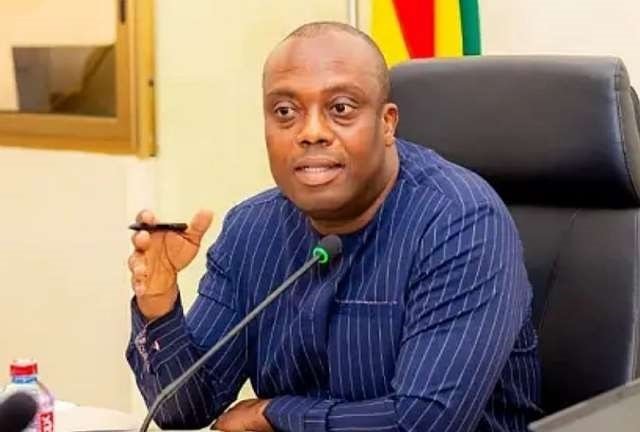
The improvement marks a milestone in the West African nation’s efforts to reduce dependence on external financing and strengthen fiscal sustainability, Deputy Minister for Finance Thomas Nyarko Ampem told the opening session of the Ghana Tax Modernisation Project delegation visit to South Korea.
“The improved tax performance demonstrates that ongoing reforms within revenue administration and public financial management systems are producing positive outcomes,” Ampem said.
The figures come as Ghana works to consolidate economic recovery following a period of fiscal strain and debt restructuring. Officials view the higher ratio as an indicator of improved revenue generation capacity, providing greater fiscal space for investment in education, healthcare, agriculture, energy and digital infrastructure.
Despite the progress, Ampem cautioned that Ghana’s tax effort remains below the average for comparable economies.
“Significant work remains to be done to close the gap and unlock the country’s full revenue potential,” he said, stressing the need for continued reforms to improve administrative efficiency, reduce leakages, widen the tax base and boost voluntary compliance.
Analysts say broadening the tax net rather than increasing burdens on existing taxpayers will be essential to sustaining revenue growth without dampening economic activity.
Technology and innovation are central to Ghana’s revenue transformation strategy, Ampem said, adding that modern integrated revenue management platforms were critical for driving efficiency and transparency.
The digitalisation agenda aims to improve taxpayer services, strengthen monitoring and reduce evasion, while making tax administration more citizen-friendly, according to officials.
The Ghana Tax Modernisation Project, implemented with support from the Korea International Cooperation Agency and the Korea Institute of Public Finance, is expected to culminate in a comprehensive Tax Modernisation Master Plan to guide future reforms.
Ampem, who chairs the project’s steering committee, described the initiative as strategically important to Ghana’s long-term revenue agenda and expressed appreciation to Seoul for its support.
“The project will guide the creation of a more efficient, transparent, accountable and citizen-centred tax administration framework,” he said.
Beyond revenue collection, the government aims to build a modern tax ecosystem that promotes public trust and accountability, officials said.
While challenges remain, officials expressed optimism that continued investment in technology, institutional strengthening and strategic partnerships would drive further revenue performance.
The improvement in the tax-to-GDP ratio offers an early indication that reform efforts are beginning to deliver results as Ghana pursues economic recovery and sustainable growth, Ampem said.