

..as government bets on infrastructure fix to end controversial shift system
By Philip Antoh
The Mahama administration has secured a $300 million World Bank facility to finally scrap the double-track system that has haunted the Free Senior High School programme since its inception, but questions linger over whether the funds and the timeline are sufficient to undo years of infrastructural neglect.
The Transformative Secondary Education for Access, Results and Relevance for Jobs (STARR-J) Project, announced by the Ministry of Education, is designed to tackle the critical infrastructure deficits that made the shift system a necessity in the first place. The government’s target: eliminate double-track nationwide by 2027.
Education Minister Haruna Iddrisu hailed the package as “a major investment in Ghana’s growing youthful population” that would align secondary education with labour market demands. But sceptics note that the previous administration, under Nana Akufo-Addo, had championed the double-track system as the only workable solution to absorb the surge in enrolment following the introduction of Free SHS in 2017.
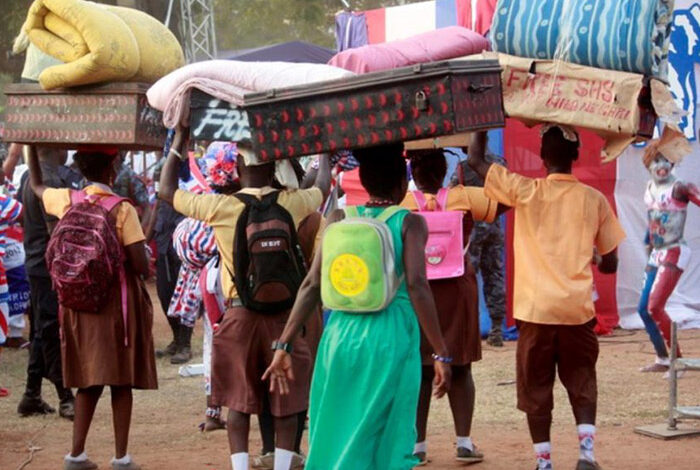
The shift system, which saw students alternate between school and home, was fiercely criticised for disrupting academic calendars and compromising learning quality. Yet successive governments failed to build the required classrooms and dormitories to accommodate the rising numbers. The Mahama administration has now made its dismantling a flagship pledge.
STARR-J will channel funds into school construction, rehabilitation and system efficiency improvements. The Ministry says this will expand access, upgrade conditions, and equip students with skills for the modern economy.
But analysts point out that $300 million, while significant, may not be enough to bridge a deficit that has been decades in the making. Ghana’s secondary school system has struggled with overcrowding, inadequate sanitation facilities and a shortage of teaching staff. The double-track system was a stopgap, not a solution.
The government’s own timeline of three years appears ambitious. Procurement delays, bureaucratic bottlenecks and the perennial challenge of absorbing funds before project deadlines have haunted similar World Bank-financed initiatives.
For President Mahama, the promise to end double-track carries considerable political weight. The Free SHS policy remains one of the most popular social interventions in Ghana’s history, but its implementation has been dogged by complaints. Delivering a seamless, single-track system would be a major feather in his cap.
However, failure to meet the 2027 deadline could prove politically costly. The opposition New Patriotic Party will be watching closely, ready to remind voters of any broken promises.
The Ministry has expressed appreciation to World Bank Country Director Robert Taliercio O’Brien, the Bank’s education team, and the Finance Ministry under Dr Cassiel Ato Forson for their role in securing the facility.
Yet the real test lies ahead: whether the funds will translate into classrooms built, teachers recruited, and students educated or whether they will disappear into the familiar vortex of unspent allocations and unfinished projects that has come to define Ghana’s infrastructure development.
Beyond the double-track dilemma, STARR-J promises to align secondary education with labour market needs a recognition that Ghana’s education system has long churned out graduates ill-equipped for the jobs that actually exist.
The government says the project will address not just access but also relevance. But critics argue that curriculum reform cannot be achieved through infrastructure spending alone. Teacher training, pedagogical innovation and industry collaboration are equally critical.
As the Mahama administration prepares to roll out STARR-J, it faces the classic Ghanaian development conundrum: securing the money may be the easy part. Spending it wisely, on time, and to lasting effect, is where the real challenge lies.