

Economists, business leaders and policymakers have urged the government to maintain strict fiscal discipline and adopt a cautious borrowing strategy to safeguard Ghana’s improving macroeconomic recovery, warning that the country’s recent economic gains could quickly unravel if debt accumulation accelerates.
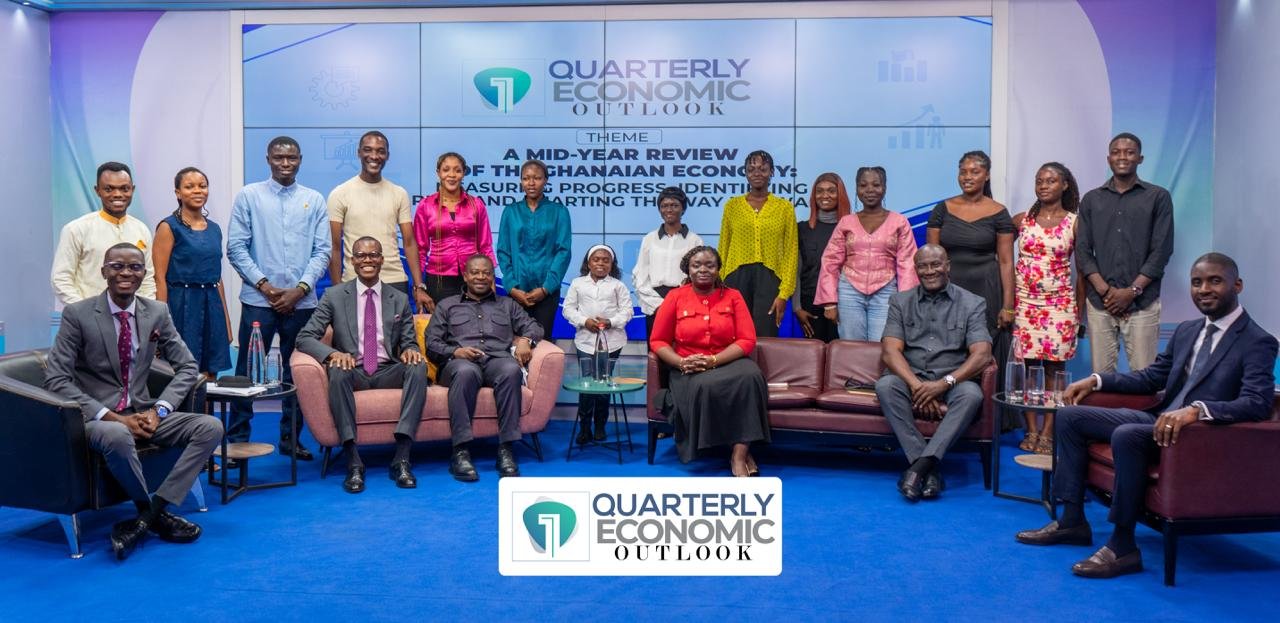
The call was made during Channel One TV’s second Quarterly Economic Outlook, held under the theme, “A Mid-Year Review of the Ghanaian Economy: Measuring Progress, Identifying Risks and Charting the Way Forward.”
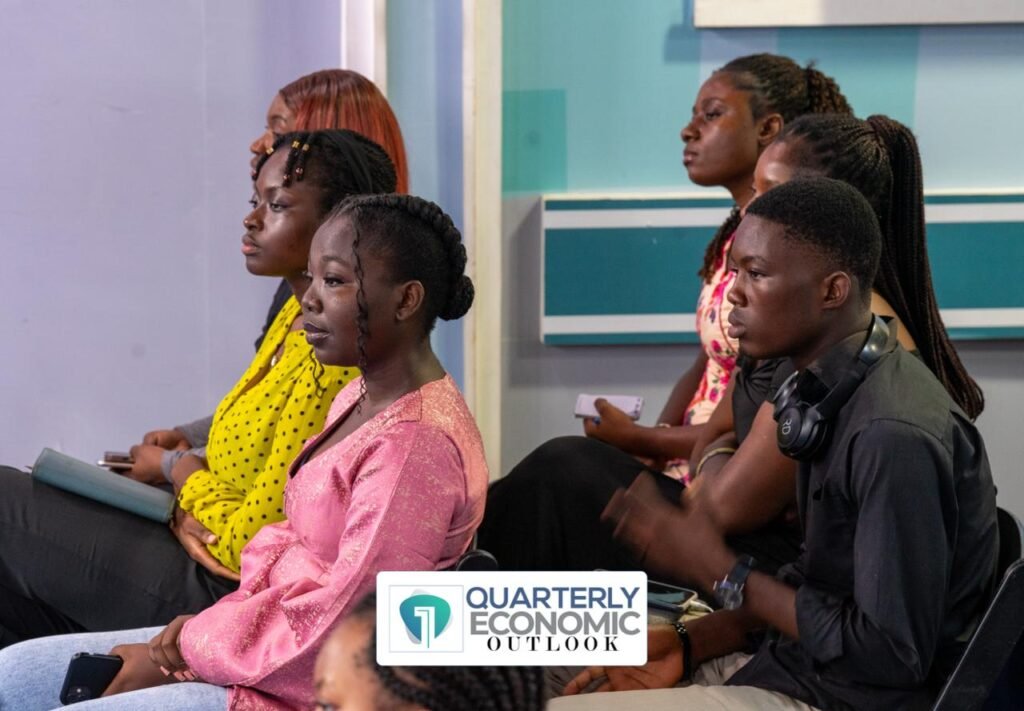
The forum brought together leading voices from academia, banking and the private sector to assess Ghana’s economic performance and identify policy priorities for sustaining growth.
Managing Partner at Konfidants, Michael Kottoh, cautioned that although Ghana’s debt indicators have improved significantly following the country’s debt restructuring programme, policymakers must guard against a renewed build-up of public debt as the country gradually regains access to international capital markets.
“Our debt-to-GDP ratio has been declining, but IMF projections suggest it could begin rising again by the end of the year because Ghana is returning to the market to borrow,” he said.

Mr. Kottoh noted that while Ghana’s sovereign credit ratings have improved into the ‘B’ category, investors are still likely to demand higher yields due to the country’s recent debt default.
“Our credit ratings have improved, but because of our recent default, Ghana will likely continue paying relatively high borrowing costs. That is why we must keep a very close watch on debt accumulation,” he added.
Economist at the University of Ghana Business School, Prof. Agyapomaa Gyeke-Dako, said government had demonstrated commendable fiscal restraint during the first half of the year, contributing to stronger macroeconomic fundamentals.
However, she warned that sustaining the recovery would require continued expenditure discipline, particularly as Ghana transitions from the IMF’s Extended Credit Facility programme to the non-financing Policy Coordination Instrument.
She also attributed the recent rise in inflation largely to temporary external shocks rather than underlying domestic weaknesses.
“We are seeing temporary inflationary pressures stemming from the conflict in the Middle East, which has pushed up global oil prices. That has affected fuel prices, transport fares and food inflation. However, these are short-term pressures, while core inflation remains relatively subdued,” she explained.
On financing long-term business growth, Head of Trading, Global Markets at Absa Bank Ghana Limited, Andrews Akoto, encouraged businesses to diversify their sources of funding by tapping Ghana’s capital market instead of relying exclusively on commercial bank loans.
“There is a solution in Ghana, and I would encourage businesses to look at the capital market. It offers patient, long-term capital that manufacturers can use to establish factories and finance expansion,” he said.
Mr. Akoto welcomed the recent listing of three Ghanaian companies on the Ghana Stock Exchange, describing it as evidence that more firms are beginning to embrace alternative financing options to support growth.
Meanwhile, Chief Executive Officer of the Association of Ghana Industries (AGI), Seth Twum-Akwaboah, identified high production costs as one of the biggest constraints to industrial competitiveness.

He argued that manufacturers with access to affordable electricity and locally sourced raw materials enjoy a significant competitive advantage and called for policies that reduce the overall cost of production to strengthen Ghana’s industrial base.
“For instance, Cedar Ceramics Tiling has a certain advantage because it has an arrangement with Ghana Gas that allows it to access gas directly from the source. This helps to reduce its cost of production. They also source the materials needed for production within the region, and even their logistics arrangements, including trucking, help to keep costs down.
“That is the point we have been making: if we create the right business environment and reduce the cost of production, we can become more competitive and increase our export potential. There are significant opportunities available to us”.
On the trade front, President of the Ghana Union of Traders’ Associations (GUTA), Clement Boateng, expressed concern over rising freight costs, attributing the increase to disruptions in global shipping routes resulting from heightened geopolitical tensions in the Middle East.
“I have had my goods locked up in the UAE since March. It was just three weeks ago that they had to make an arrangement to reroute the container, because if they say they are not doing that, the goods will be there, and I will also be sitting down here suffering”.
The panelists agreed that while Ghana’s economic recovery is becoming more firmly established, preserving macroeconomic stability will require prudent fiscal management, sustainable borrowing, structural reforms and targeted investments that improve productivity, strengthen private sector competitiveness and protect the country’s hard-won economic gains.
By Daniel Oduro-Mensah