

The Economic Community of West African States (ECOWAS) will implement the Gender Equality Seal for Public Institutions (GES-PI) across its bodies next year.
The initiative, launched in partnership with the United Nations Development Programme (UNDP) and the German Agency for International Cooperation (GIZ), aims to achieve the highest “Gold Seal” certification by holding public institutions to internationally recognized gender standards.
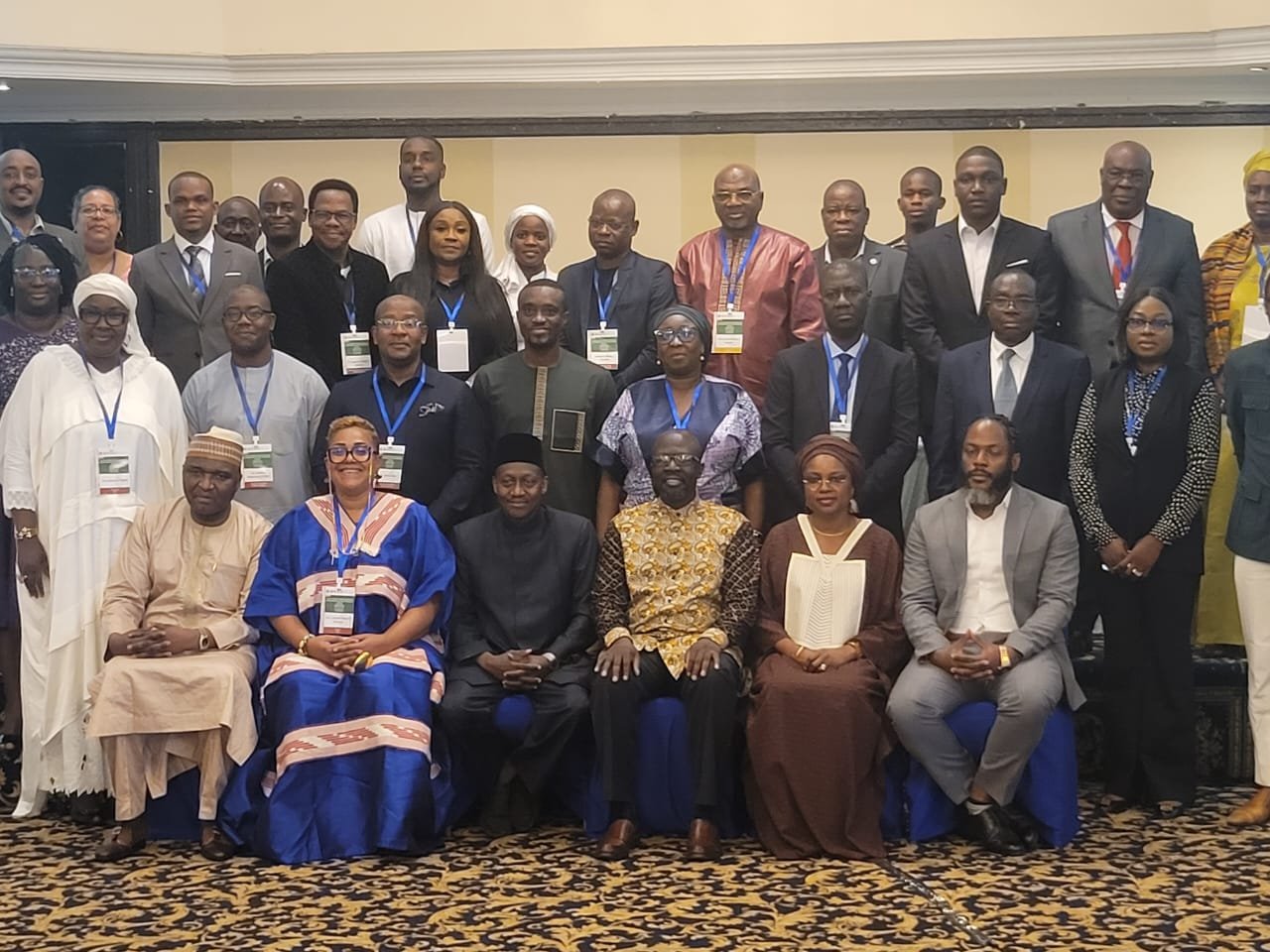
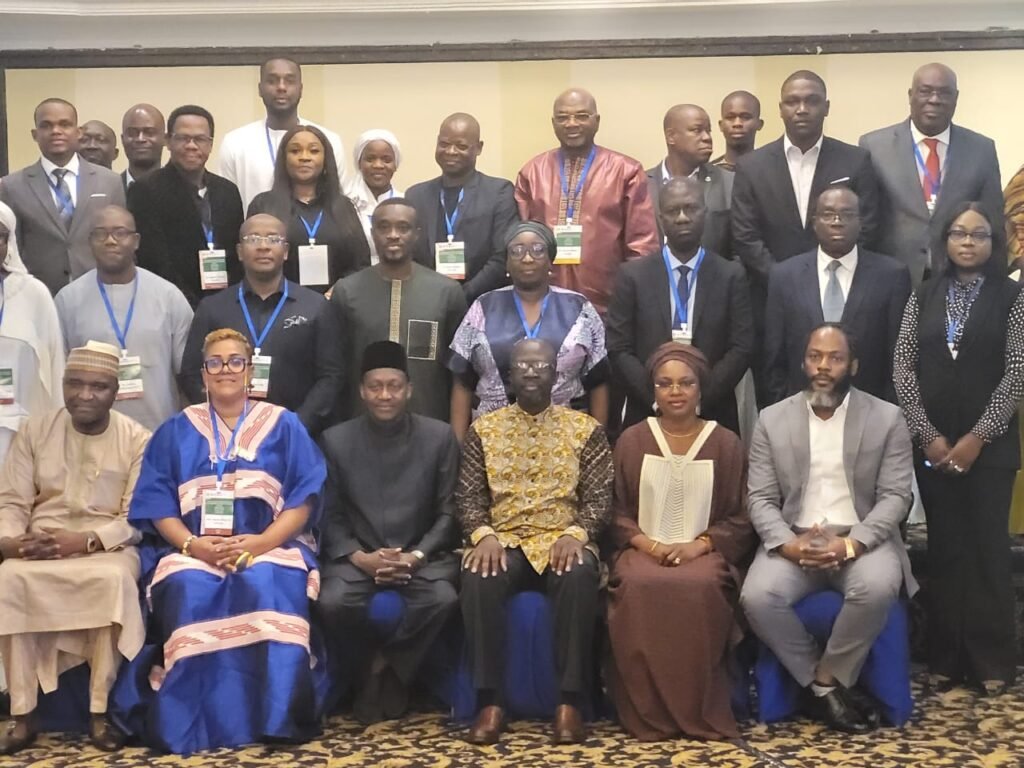
Announced at the final regional planning meeting in Accra, the framework will require ECOWAS institutions—including the ECOWAS Parliament, the Community Court of Justice, GIABA, and WAHO—to rigorously self-assess their internal operations.
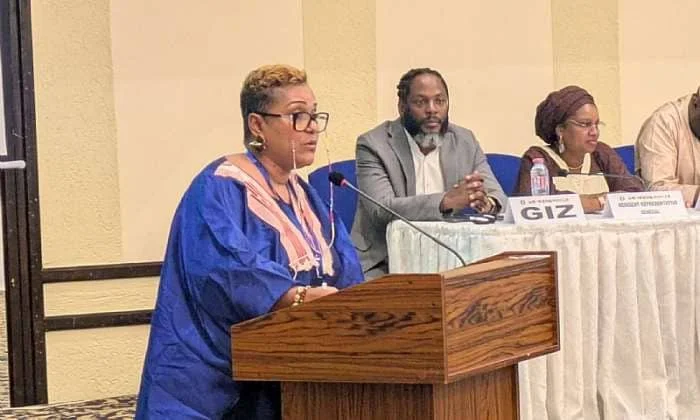
Sandra Oulaté Fattoh, Director of the ECOWAS Gender Development Centre (EGDC), emphasized that the organization must lead by example. “We need to practise better what we are preaching,” she said, noting that the seal will evaluate internal metrics such as recruitment, leadership opportunities, career progression, and staff representation to ensure fairness and equal access for women.
The GES-PI framework is built on five core pillars: planning and management for gender equality, institutional capacity, an enabling workplace environment, participation and accountability, and policy results.
During the Accra meeting, Fattoh praised Ghana for its regional leadership on gender issues, highlighting its effective inter-ministerial collaboration and its role as the African Union’s gender champion.
She specifically commended Ghana’s long-standing programs targeting obstetric fistula, scholarships for girls in technical education, and women’s agricultural empowerment.
Fattoh also addressed concerns that gender initiatives disproportionately focus on women, explaining that targeted interventions are necessary to close persistent gaps that continue to disadvantage women across West Africa in education, employment, and decision-making roles.
Speaking at the event, Acting Secretary-General Muazu Umaru noted that the meeting was a crucial step toward reviewing progress and agreeing on practical measures to fully operationalize the framework across the Commission.