By Our Correspondent
A community-led initiative aimed at improving accountability, livelihood visibility and institutional coordination within the Ghana–Togo border environment is progressing into a new phase of bilateral engagement following its launch at Penyi in the Ketu North Municipality of the Volta Region.
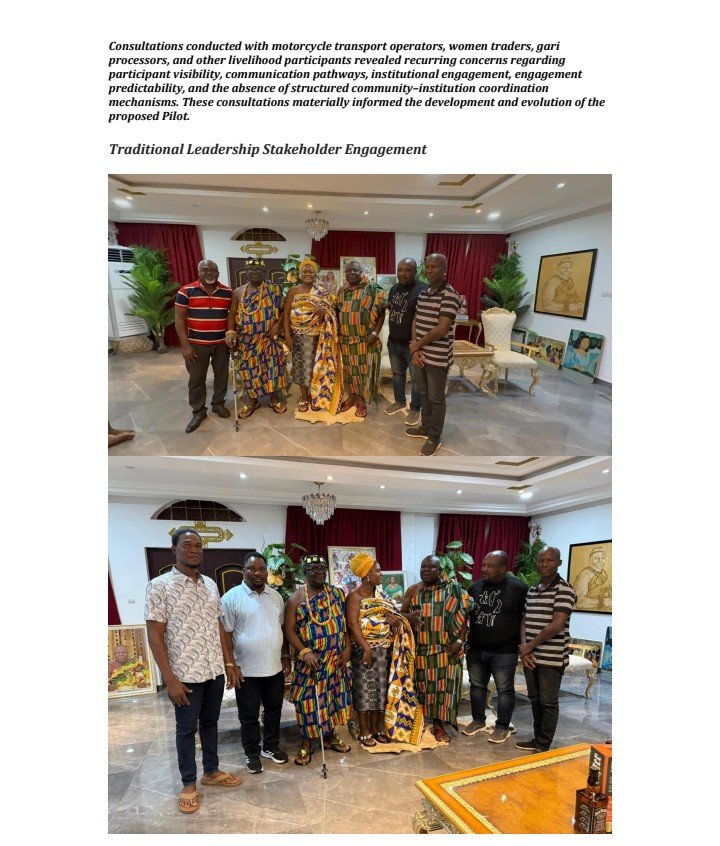
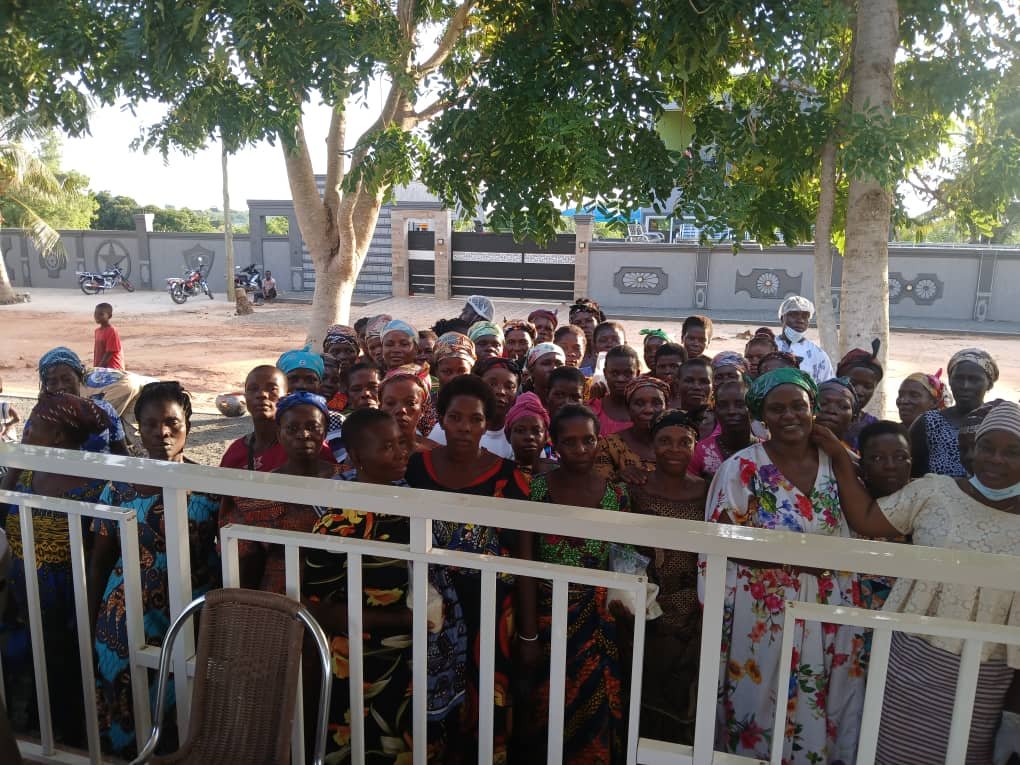
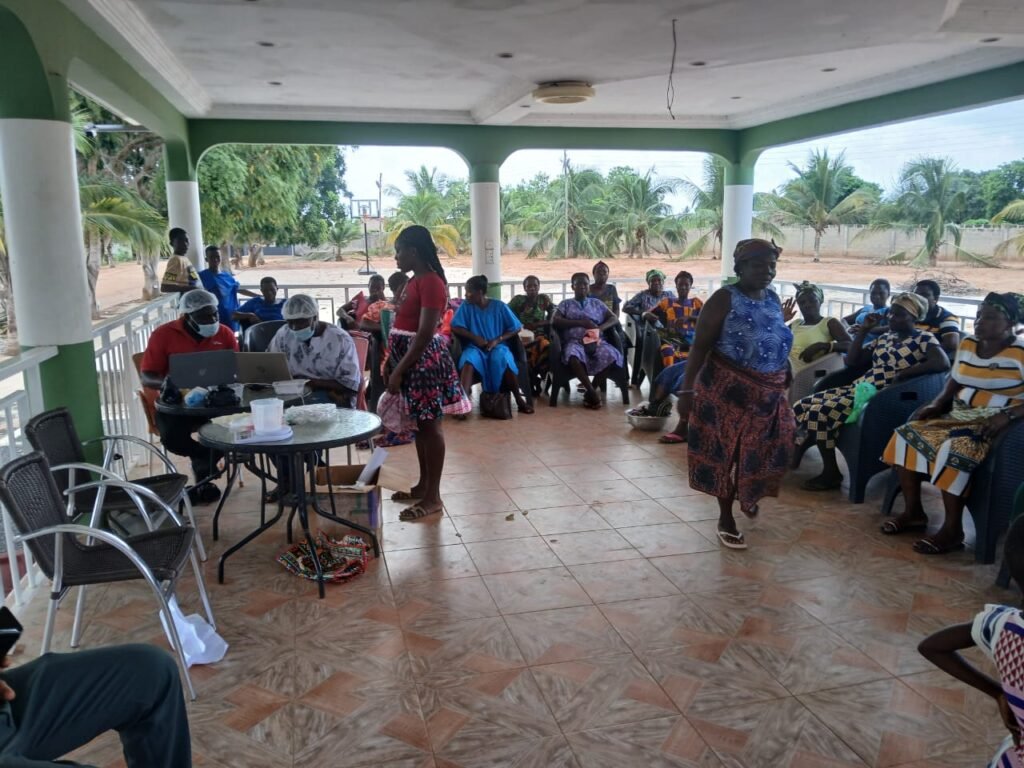
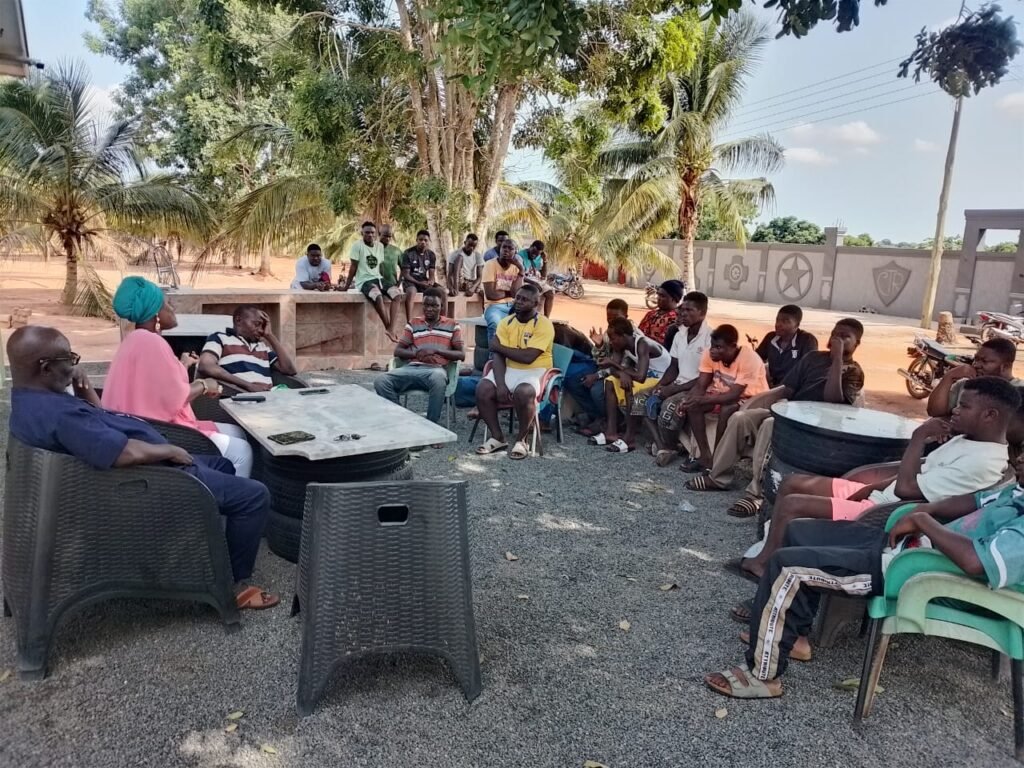
The Akanu–Noépé Border Community Stabilization & Livelihood Coordination Programme, initiated by the Office of the Paramount Queen Mother of the Penyi Traditional Area, was formally launched on 18 July 2026 together with the introduction of the Border Community Coordination & Accountability Centre (BCCAC) as its community-led implementation mechanism.
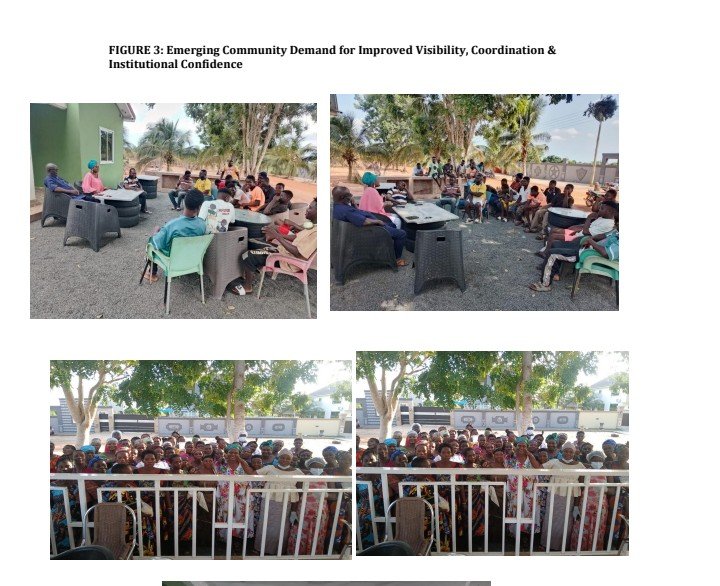
The Programme responds to recurring challenges experienced by vulnerable livelihood actors whose economic and social lives are closely connected to the Ghana–Togo frontier, including women traders, agricultural processors, micro-traders, motorcycle transport operators and families with longstanding relationships across both sides of the border.
According to Mamaga Hoeflewo Dadzi II, Paramount Queen Mother of the Penyi Traditional Area, the initiative is not intended to replace Immigration, Customs, Border Health, Security or any other statutory institution.
Rather, it seeks to create a structured community-level mechanism through which legitimate livelihood actors can become more visible, identifiable, traceable and accountable while improving communication between communities and the relevant public institutions.
From informal participation to accountable participation
A central feature of the Programme is the proposed development of a controlled participant-registration and accountability system.
Participants would be linked to their communities, livelihood activities and appropriate guarantors, with continuing conduct obligations and mechanisms for verification, sensitisation, review and, where necessary, suspension or withdrawal from the Programme.
The proposed identification mechanism is not intended to constitute a passport, immigration permit, customs exemption, border pass or automatic right of movement.
Its purpose is to help create greater visibility and traceability within a border-livelihood environment in which genuine local actors, irregular operators and unknown persons can otherwise be difficult to distinguish.
The Programme is built around the principle that accountability should precede facilitation.
Participating livelihood actors would therefore be expected to comply with lawful border procedures, responsible conduct requirements and the operational directions of the competent authorities.
Ghana–Togo institutional engagement begins
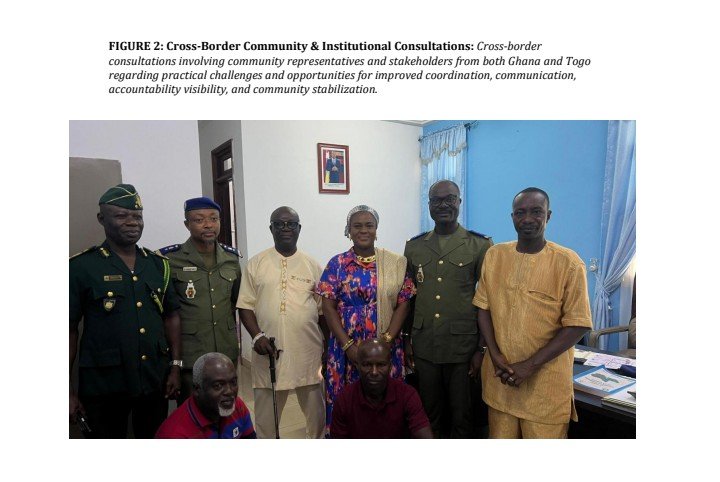
Since the launch, the initiative has progressed into institutional discussions involving stakeholders from both Ghana and Togo.
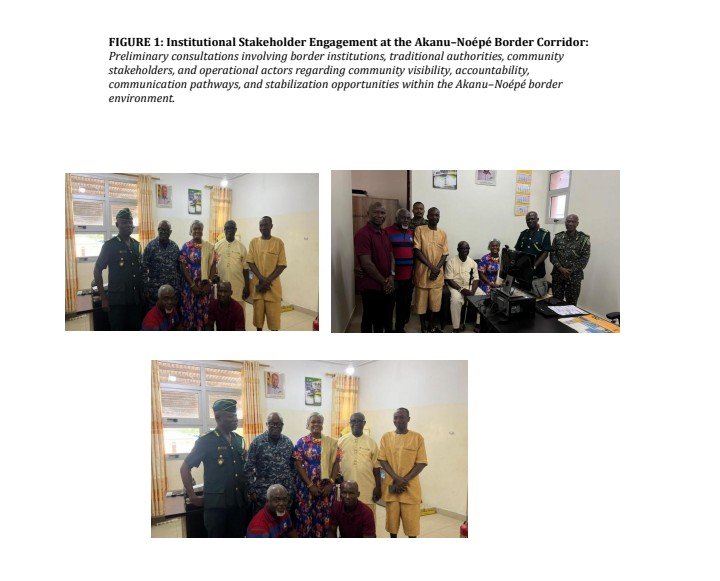
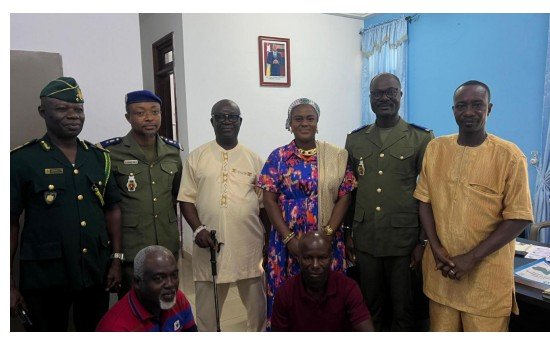
At a subsequent coordination meeting at the Akanu–Noépé Joint Border Post, the Programme and its supporting Community Coordination & Liaison Understanding Framework were discussed with Ghanaian and Togolese border-operational stakeholders.
The engagement included a Coordinator representing the Togolese Presidency as well as a senior delegation from the Ghana High Commission in the Republic of Togo, comprising the High Commissioner, Head of Chancery, Head of the Consular Unit and other Consular representatives.
The Head of Chancery also facilitated interpretation during the bilateral engagement.
The Togolese side expressed strong interest in the Programme and indicated that its objectives complement current government efforts aimed at improving the welfare and livelihoods of residents in border communities.
Those interventions were said to include social-infrastructure initiatives such as health and electrification projects within border areas.
The discussion has opened a pathway for further consideration of how the Programme could operate with the relevant institutions on both sides of the border.
Focal persons, verification and local-government participation
Among the issues now under institutional consideration are the designation of focal persons from relevant agencies and the development of appropriate verification arrangements for participants from both Ghana and Togo.
Because participants are expected to come from communities on both sides of the international boundary, the Programme envisages the involvement of appropriate local-government and community structures in confirming residence, livelihood activity and guarantor information.
On the Togolese side, the possible role of mayors and other competent local authorities in participant verification has been identified for further discussion.
The Togolese coordinating team has also indicated that the appropriate Governor is expected to participate in the next stage of engagement.
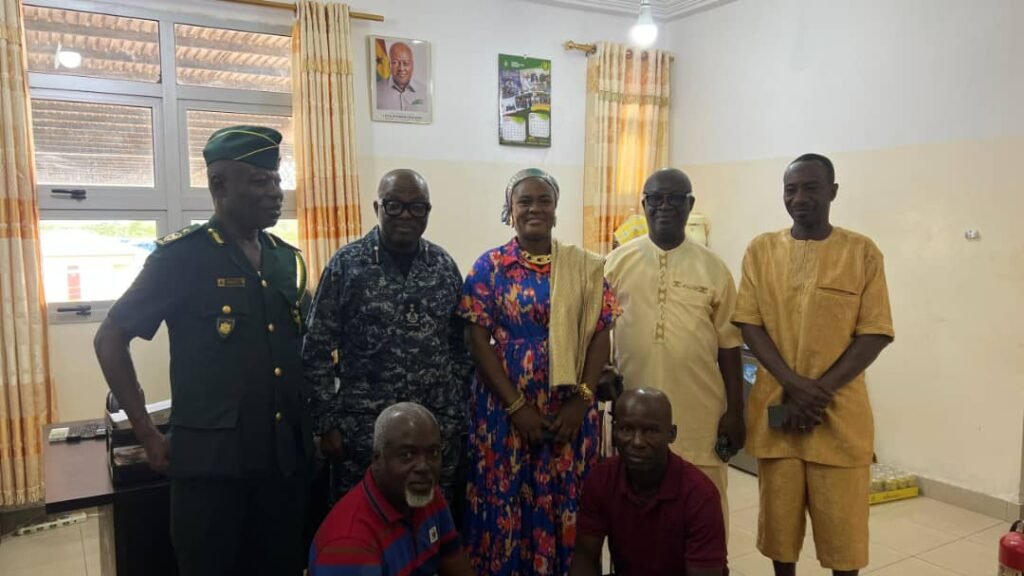
The Programme’s promoters say this institutional participation is important because community registration cannot operate credibly in isolation from the authorities responsible for the respective border communities.
Health safeguards to form part of pilot design
Border and public-health considerations have also emerged as an important component of the proposed pilot.
During the institutional discussions, health representatives raised the need to consider communicable-disease risks and determine what health-related sensitisation, documentation, referral or other safeguards may appropriately form part of the Programme.
The Office of the Paramount Queen Mother has invited the competent institutions to identify their operational requirements so that the pilot can be designed around existing statutory responsibilities rather than operate outside them.
Trade facilitation emerging as key opportunity
Trade facilitation has also been identified as an area in which the Programme could potentially create value.
Many intended participants are small-scale traders, agricultural commodity actors, transport operators and other livelihood participants whose activities depend on regular interaction with the border environment.
The Programme therefore seeks to explore how improved participant organisation, sensitisation, accountability and institutional communication could contribute to a more orderly and predictable environment for lawful small-scale cross-border trade.

The Office has indicated that it is exploring prospective engagement with TradeMark Africa as a potential technical partner for the Programme’s trade-related component.
No formal partnership has yet been concluded.
Any trade-facilitation mechanism developed under the Programme would remain subject to the applicable Customs, Immigration, health, security and trade requirements of Ghana and Togo.
Families and communities divided by an international boundary
The initiative also recognises that movement within the Akanu–Noépé environment is not exclusively commercial.
Communities on both sides of the Ghana–Togo border have longstanding family, cultural and social relationships, with relatives frequently living in neighbouring jurisdictions.
Residents may therefore need to travel for funerals, festivals, marriages, family emergencies and other legitimate social obligations.
The Programme does not propose exemption from lawful travel requirements but seeks greater sensitisation, communication and institutional understanding of the practical realities of adjoining border communities.
Accountability expected on both sides
Another emerging component of the Programme is improved public understanding of the institutions operating at the border.
Stakeholders observed that residents sometimes struggle to distinguish between Customs, Immigration, Border Health and other services, resulting in misconduct or complaints being attributed to the wrong agency.
Subject to institutional approval, future sensitisation may therefore include authorised agency logos, descriptions of institutional responsibilities and approved visual identification of uniforms.
The objective would be to improve accountability in both directions.
Participants who misuse the Programme, engage in prohibited conduct or breach their accountability obligations could be suspended or removed.
At the same time, complaints concerning the conduct of public officers could be more accurately documented and directed to the correct institution for consideration.
A controlled pilot, not a parallel border system
Mamaga Hoeflewo Dadzi II has stressed that BCCAC is not a border-control institution and does not seek to exercise statutory authority.
The Centre is intended to function as a community accountability, livelihood-coordination and institutional-liaison mechanism.
Its proposed role includes participant registration and traceability, community sensitisation, guarantor-backed accountability, documentation of recurring issues, structured institutional engagement and responsible escalation of concerns.
The relevant Ghanaian and Togolese authorities would continue to retain their full lawful mandates and operational discretion.

The Programme is currently mobilising institutional and financial support for controlled implementation, while consultations continue with government agencies, diplomatic institutions, development partners and other prospective supporters.
Potential wider learning value
While the initial implementation is focused on the Akanu–Noépé border environment, the Office believes the pilot could generate useful evidence on how community accountability structures can complement statutory border institutions.
Any wider replication would depend on the outcomes of the pilot, institutional review, applicable national laws and the participation of the competent authorities.
The emerging model is therefore being approached not as a predetermined national system, but as a controlled learning pilot capable of testing whether greater community visibility, traceability, responsible livelihood organisation and structured institutional coordination can reduce recurring difficulties within sensitive border environments.
For the Paramount Queen Mother, the objective is ultimately straightforward: to demonstrate that legitimate livelihood participation and effective border administration need not be opposing interests.
“When communities become more organised, visible and accountable, the institutions also gain a more structured environment in which to operate,” she said.
The next phase of the Programme is expected to focus on further Ghana–Togo institutional consultation, the designation of focal persons, refinement of pilot requirements and mobilisation of the resources required for controlled implementation.