

Africa must transition from being a passive consumer of foreign artificial intelligence to building, controlling, and owning the data, infrastructure, and models that drive the technology. This was the resounding call at the “Nyansa Futures 2026” workshop held at Academic City University College in Accra.
The two-day event, which ran from August 14 to 15, 2026, was organized by the Beyond AI Movement under the theme: “From Adoption to Ownership, Shaping Africa’s AI Future.”
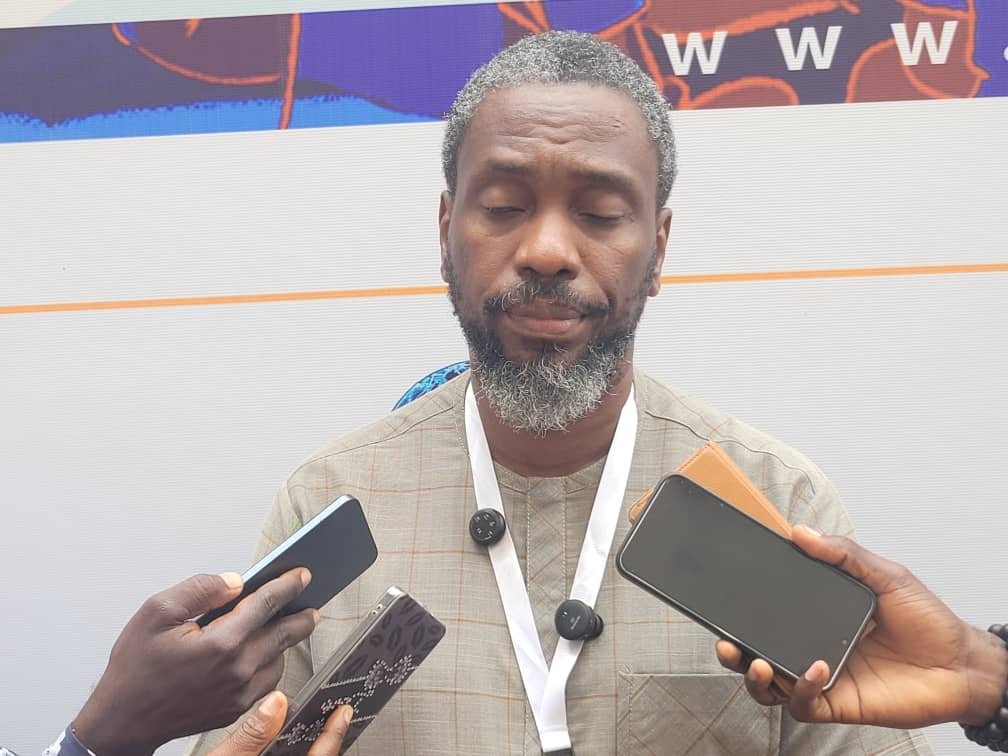
Speaking to the media, Mr. Kambale Musavuli, Founder of the Beyond AI Movement and Managing Director of Aether Strategy, warned that without deliberate investment, Africa will remain at the bottom of the global AI value chain. He noted that the event’s name, “Nyansa” (meaning wisdom), reflects the continent’s inherent capacity to shape global technology rather than merely consuming it.
“Adopting it is not enough. Technology is never neutral. Those who develop technologies inevitably embed their own ways of thinking,” Mr. Musavuli said, cautioning that foreign AI tools often reflect the ideologies of their creators.
He raised serious concerns regarding data sovereignty, noting that massive amounts of African data are extracted by popular platforms like ChatGPT and Gemini without the protection of local laws. He cited Ghana’s recent rejection of a proposed transfer of citizens’ health data to the United States as a prime example of why Africa must jealously guard its digital assets.
Furthermore, Mr. Musavuli highlighted the paradox of Africa’s role in the AI supply chain. While the technology relies heavily on African-mined minerals like cobalt, lithium, and copper to build data centers and energy systems, the continent is left questioning whether it derives any tangible benefits from this extraction. He also touched on the practical realities of energy consumption, questioning the wisdom of prioritizing power for AI data centers when many Ghanaian communities are still battling ‘Dumsor’ (intermittent power outages).
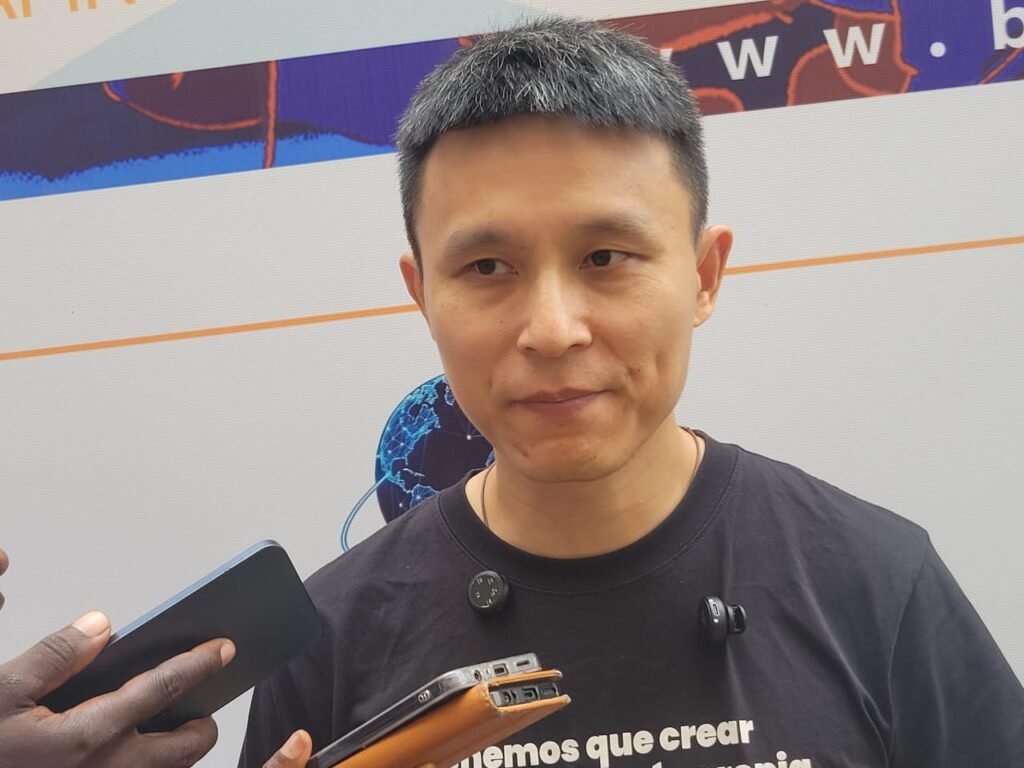
Also speaking at the event, Mr. Jeff Xiong, technology expert and General Secretary of the Global South Academic Forum, dismissed cost and fear as valid excuses for Africa’s slow AI adoption.
Pointing to the emergence of highly capable, low-cost open-source models like DeepSeek, he argued that the barrier to entry has significantly lowered.
“The objective condition is already there and the people are ready. We cannot fear job losses or misinformation,” Mr. Xiong stated.
He stressed that basic AI literacy is essential to demystify the technology and empower citizens to master it. Warning against Africa becoming a dumping ground for outdated tech, he called for robust China-Africa cooperation to ensure the continent gets access to the best, most modern tools.
Beyond the discussions, the workshop focused on actionable steps and skill-building. Participants were taken through practical masterclasses in prompt engineering and “vibe coding” led by Academic City professors, with future sessions planned for cybersecurity and AI.
Mr. Musavuli noted that the Beyond AI Movement has spent the past year conducting monthly community engagements to gauge public sentiment on AI. Insights from the Accra workshop will be compiled into a comprehensive manifesto detailing how AI should be implemented across Africa, covering data governance, model selection, and infrastructure ownership.
He emphasized that these grassroots initiatives are crucial for bridging the AI literacy gap and complementing the Ghanaian government’s National AI Strategy, noting that state resources alone cannot reach all 35 million citizens.
The workshop concluded with a unified resolution among researchers, students, policymakers, and industry players to move Africa past the fear of AI and aggressively pursue a future of technological self-determination.