

The iconic Odwira festival of the Akuapem people officially begins with a deeply sacred ritual known as “Adae butuw.” This period is highly revered as a time of rest for the gods of the land.
Consequently, a strict ban on noisemaking and the consumption of yam is enforced across the entire Akuapem ridge to honor this spiritual resting period.
The Adae butuw ritual is rich in symbolism. During the ceremony, libations are poured using water, palm wine, schnapps, local gin, and soft drinks as offerings to the deities.
The focal point of the ritual is an overturned calabash, which signifies the Adae butuw. Once the libation is complete, this calabash is carried to the ancestral stool room, where it remains kept for the entire duration of the sacred period.
The performance of these foundational rites is historically tied to the Asona Adubra Akoboa clan. According to history, the clan originally migrated from Adansi in the Ashanti Region to assist the Akuapem in their fierce battle against the renowned warrior, Nana Ansa Sasraku.
Following their decisive victory, the Asona Adubra Akoboa clan acquired lands and permanently settled at Nsuase in Aburi.
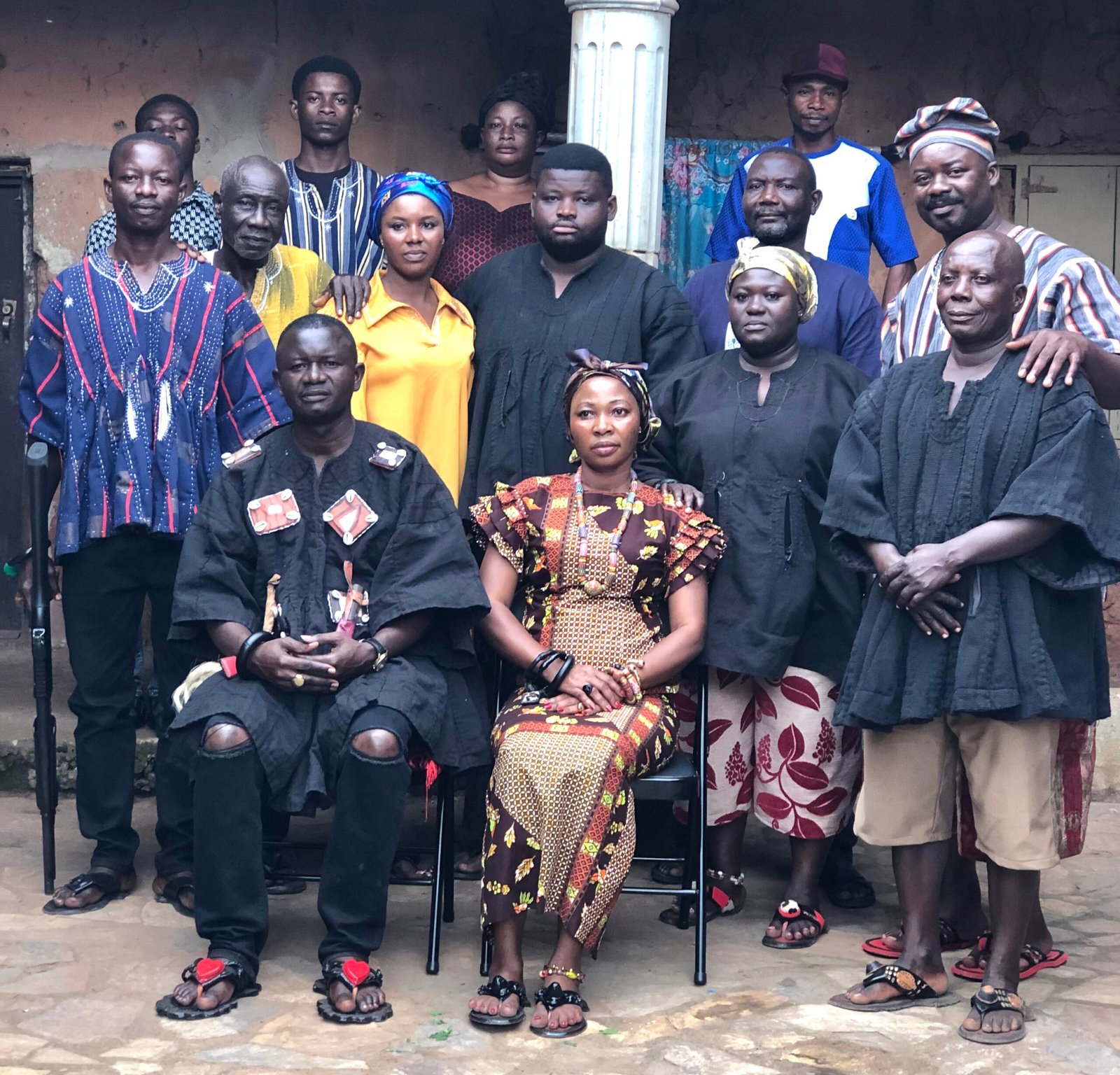
Today, the clan continues to lead these traditional observances. The current Abusuapanyin (family head) of the Asona Adubra Akoboa clan is Nana Kofi Akonor (also known as Alhaji Issah Abass).
He is a direct descendant of Akonor Komfo, the fetish priest who accompanied the first settlers from Adansi to Nsuase.
The recent performance of the Adae butuw ritual was overseen by the clan’s current traditional leaders. The chief of the area is Nana Opare Agyare I, who also doubles as the Mankrado of Atweasin, with Ohemea Gyanwaa serving as the current queen mother.
During the recent ritual proceedings, Nana Kwadwo Darko Asonaba, the Twafohene, stood in for Nana Opare Agyare I to perform the sacred rites.