


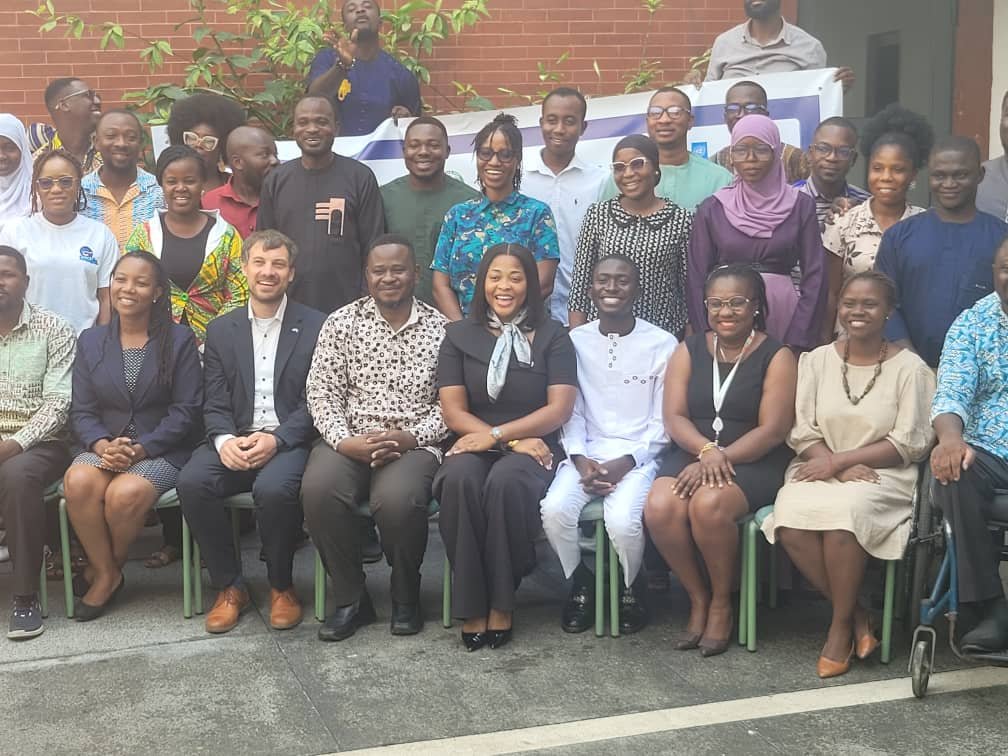
The Ghana Civil Society Coalition on Youth, Peace and Security has been officially launched with a strong call for coordinated action to ensure young people are recognized as vital partners in shaping the country’s peacebuilding future.
Uniting civil society and youth-led organizations across peacebuilding, conflict prevention, governance, and human rights, the Coalition seeks to create a unified and amplified voice for the Youth, Peace and Security (YPS) agenda.
Speaking at the launch and accompanying knowledge exchange forum, the Coalition’s National Coordinator, Issah Toha Shamsoo, emphasized that the initiative is not a new standalone institution, but a platform to end fragmented efforts among existing actors.
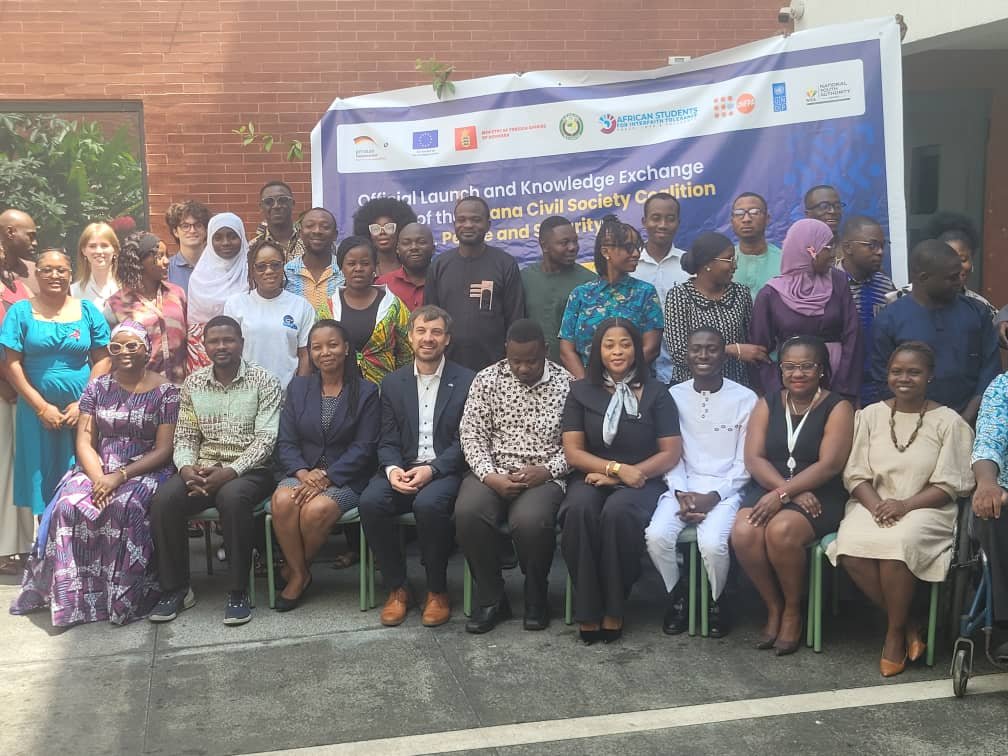
“We are here to ask ourselves an important question: How can we work better together to ensure that young people are not only included in conversations about peace and security, but are recognised and supported as actors, leaders and partners in shaping Ghana’s peace and security future?” Mr. Shamsoo asked.
He noted that while young people constitute a significant portion of Ghana’s population and are already contributing heavily to peacebuilding, their voices remain underrepresented and their initiatives severely under-resourced.
He stressed the need to move beyond merely discussing youth to actively include them in decision-making spaces.
A Critical Moment for the National Action Plan
The launch comes at a pivotal time as Ghana develops its first National Action Plan on Youth, Peace and Security. Mr. Shamsoo highlighted that civil society participation is crucial, as the plan’s ownership and implementation cannot rest on the government alone.
He warned against allowing the National Action Plan to become a document that merely “gathers dust on a shelf,” insisting it must influence policies, budgets, and programmes to create tangible improvements in young people’s lives.
Once adopted, civil society will be essential in supporting implementation, providing evidence, monitoring progress, and advocating for accountability.
“The real work begins” after the plan’s adoption, Mr. Shamsoo added, noting that an organised, informed, and proactive civil society is vital for its success.
Regional Learning and Next Steps
The two-day forum provided a platform for participants to exchange knowledge and learn from the experiences of civil society coalitions and National Action Plans in Nigeria, The Gambia, and Liberia.
Mr. Shamsoo noted that these regional insights would help Ghanaian organizations adapt lessons to the local context.
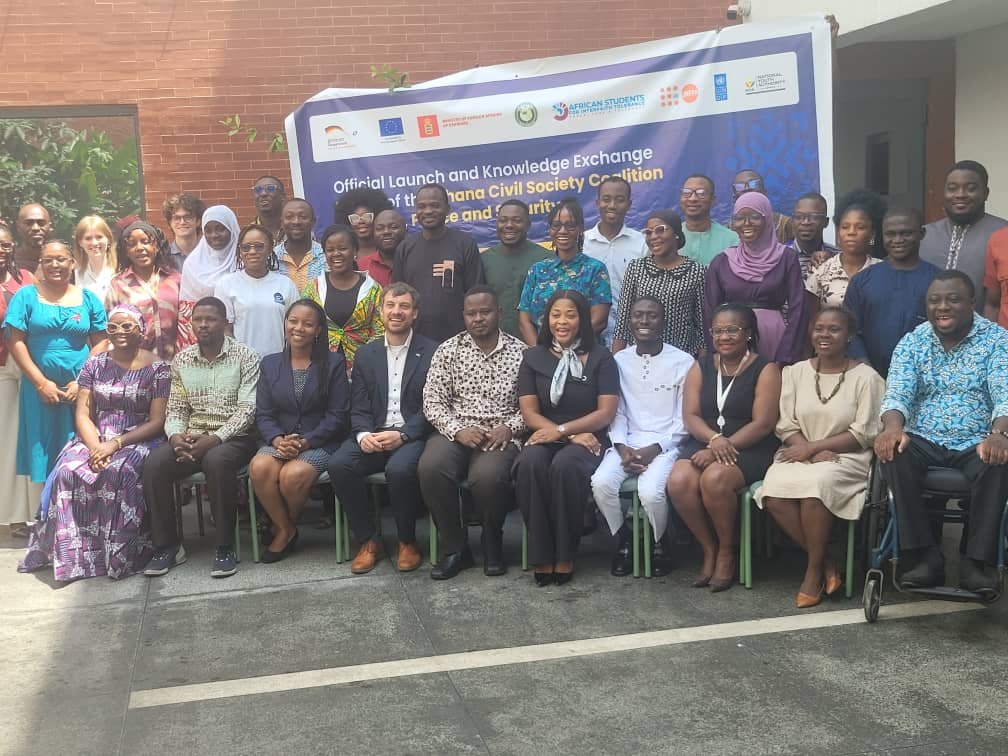
The forum is expected to culminate in the adoption of a Civil Society Communiqué containing recommendations and commitments for advancing the YPS agenda in Ghana.
Guided by the vision of “Youth at the heart of peacebuilding in Ghana,” the Coalition will focus on evidence-based advocacy, capacity strengthening, peer learning, and connecting Ghanaian CSOs to regional and global YPS initiatives.
The initiative builds on the foundational work of the Network for 2250 in Ghana, a civil society coordination platform established in 2022 and convened by African Students for Interfaith Tolerance.
Institutional Backing and Inclusive Vision
The National Youth Authority (NYA), the state agency leading the National Action Plan process, pledged to work closely with the Coalition.
Delivering a goodwill message, the NYA’s Director of Programmes, Acheboard Agyeman Donkoh, described the coalition as timely and reaffirmed the Authority’s readiness to collaborate in strengthening youth participation and leadership.
Mr. Donkoh also delivered a message on behalf of the United Nations Population Fund (UNFPA) Ghana, which assured the Coalition of its continued support.
He noted that UNFPA is particularly committed to ensuring the voices of marginalized groups including young women and persons with disabilities are meaningfully represented in the YPS agenda.