

Ghana is in the process of increasing the country’s age of sexual consent from the current 16 years to 18 years.
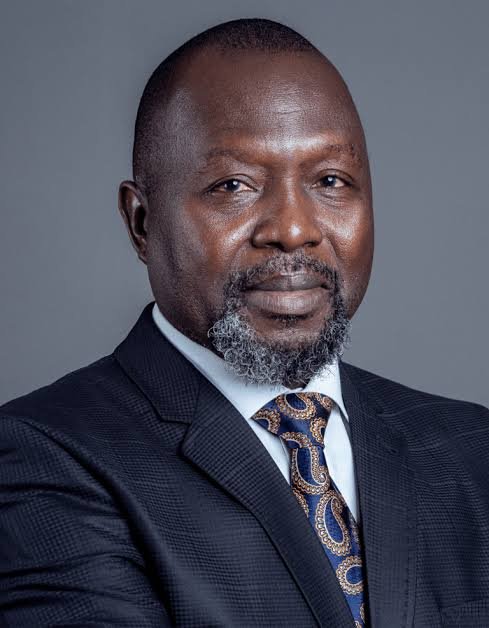
Attorney-General, Dr. Dominic Ayine, who disclosed this, said amendments to the Children’s Act, 1998 (Act 560), and the Juvenile Justice Act, 2003 (Act 653), which will effect the change, are already at an advanced stage.
Speaking at the 2026 International Conference of the African Women Lawyers Association (AWLA), he said the amendment would also address the disparity between the country’s legal age for marriage, which is 18 years, and the current age of sexual consent.
The change will position Ghana as the 19th African country to peg the age of sexual consent at 18 years, aligning it with the legal age for the exercise of universal adult suffrage.
Currently in Africa, 18 countries have 18 years as the age of sexual consent. They include Benin, Burundi, Central African Republic, Democratic Republic of Congo, Egypt, Equatorial Guinea, Eritrea, Ethiopia, The Gambia, Kenya, Liberia, Morocco, Mozambique, Rwanda, Somalia, South Sudan, Tunisia and Uganda.
Across Africa, the legal age of consent ranges from about 13 to 18 years, with many countries clustering around 16 or 18 years. Human rights organisations have repeatedly called for the harmonisation of laws to ensure that children are protected from exploitation and abuse.
Seven countries – Comoros, Côte d’Ivoire, Djibouti, Gabon, Mali, Seychelles and Togo – have their age of sexual consent pegged at 15 years, while Angola, Cabo Verde, Chad, Madagascar and São Tomé and Príncipe have 14 years as their age of sexual consent.
Two countries, Niger and Sahrawi Arab Democratic Republic, are reported to have the lowest age of sexual consent at 13 years.
Ghana is currently one of 15 countries with 16 years as the age of sexual consent. The others are Cameroon, Guinea, Guinea-Bissau, Lesotho, Malawi, Mauritius, Namibia, Senegal, Sierra Leone, South Africa, Zambia and Zimbabwe.
According to the Attorney-General, the proposed changes in the ongoing legal amendments were among the issues Ghana reported to the United Nations Committee on the Rights of the Child when the country appeared before the committee in Geneva in January 2026.
The Attorney-General said the amendments are expected to strengthen Ghana’s response to child marriage, child labour in mining and fishing communities, and the online sexual exploitation of children.
He said the country had established a strong legal foundation for child protection but needed to update its laws to respond more effectively to emerging challenges.
Ghana became the first country in the world to ratify the United Nations Convention on the Rights of the Child in February 1990.
The country has since enacted several laws and signed international agreements aimed at protecting children, including the Children’s Act, the Juvenile Justice Act and the Domestic Violence Act, 2007.
It is also a party to the African Charter on the Rights and Welfare of the Child.