


By Bill Godson Ocloo
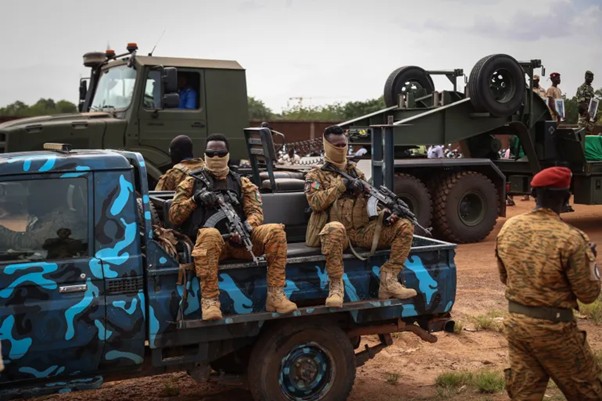
The recent terrorist attack on Ghanaian tomato traders in Burkina Faso has once again exposed the fragile security architecture of the West African sub-region and the growing vulnerability of ordinary citizens caught in the crossfire of violent extremism.
According to reports, the traders — largely from farming and trading communities in northern Ghana — were attacked while conducting routine cross-border business. Several were injured, goods were destroyed, and thousands of cedis worth of tomatoes meant for Ghanaian markets were lost.
From National Security to Human Security
Traditionally, security has been framed in terms of territorial defence and state sovereignty. However, the plight of the tomato traders highlights the importance of “human security” — a concept that prioritises the protection of individuals’ lives, livelihoods and dignity.
For these traders, security is not measured by troop deployments or diplomatic statements; it is measured by whether they can travel safely, sell their goods and return home to their families. When market women and transporters become targets, insecurity shifts from an abstract geopolitical issue to a direct assault on economic survival.
The tomato trade between Ghana and Burkina Faso is more than a commercial arrangement. It is a lifeline for many families in border communities and a stabilising economic bridge between the two countries.
Disruptions to this trade threaten food supply chains, inflate prices in urban markets such as Accra and Kumasi, and deepen poverty in already vulnerable regions.
Regional Instability and Spillover Risks
Ghana has long been praised as one of West Africa’s most stable democracies. Yet instability in neighbouring Burkina Faso poses undeniable spillover risks. The long, porous border shared by the two countries presents logistical challenges for surveillance and enforcement.
The Economic Community of West African States (ECOWAS) has repeatedly warned about the expansion of extremist networks across the Sahel. While Ghana has strengthened border patrols and intelligence coordination, the attack on traders underscores the reality that economic actors — not just military targets — are increasingly in the crosshairs.
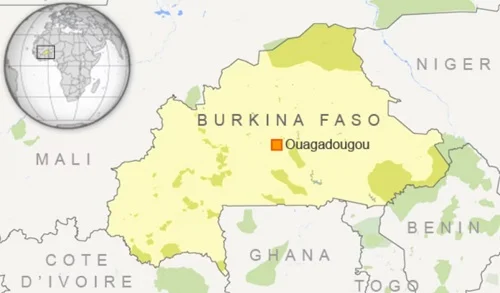
The crisis in Burkina Faso has also complicated regional diplomacy. Following recent political upheavals in Ouagadougou, cooperation frameworks have experienced strain, limiting coordinated responses to cross-border threats. Nevertheless, collaboration remains critical to safeguarding civilians.
Economic and Social Consequences
Beyond the immediate casualties and financial losses, the psychological trauma inflicted on survivors and their families cannot be overstated. Many traders operate on thin profit margins, often relying on daily sales to service loans and support dependants. A single attack can wipe out years of savings.
If fear discourages cross-border trade, the consequences could ripple across both economies. Ghanaian consumers may face tomato shortages or price spikes, while Burkinabè farmers could lose key buyers.
In fragile regions, economic stagnation can fuel further instability — creating a vicious cycle.
What Must Be Done
A human security approach requires a shift in priorities.
Enhanced Cross-Border Protection
Ghana and Burkina Faso must intensify joint patrols and intelligence-sharing along major trade routes.
Support for Victims
Affected traders deserve financial assistance, medical care and psychosocial support to rebuild their livelihoods.
Economic Diversification
Border communities should be supported with alternative income opportunities to reduce overdependence on high-risk trade corridors.
Community-Based Early Warning Systems
Local intelligence networks can help detect threats before they escalate. At a broader level, tackling violent extremism demands addressing its root causes — poverty, marginalisation, weak governance and limited economic opportunity.
A Wake-Up Call
The attack on Ghanaian tomato traders is not merely an isolated incident; it is a stark reminder that insecurity in one part of the region inevitably affects its neighbours. Human security must move from rhetoric to action. Protecting borders is important. But protecting people — their lives, dignity and livelihoods — is paramount. Until traders, farmers and transporters can move freely without fear, regional stability will remain incomplete.
For Ghana, the message is clear: vigilance, regional cooperation and citizen-centred security policies are no longer optional — they are urgent necessities.
The writer is the Executive Director, Africa Centre for Emergency Management and Human Security