

as Geopolitical Risks Cloud Outlook
TNR Files
The Monetary Policy Committee (MPC) of the Bank of Ghana has left the policy rate unchanged at 14.0 per cent, opting for caution amid mounting geopolitical tensions and fresh inflationary pressures that threaten to derail the country’s hard-won macroeconomic gains.
The unanimous decision, announced on July 22 following the 131st regular MPC meeting, reflects a central bank caught between encouraging growth signals and worrying external headwinds.
Governor Dr Johnson Pandit Asiama cited “upside risks” to the inflation outlook, including potential utility tariff increases, rising crude oil prices and renewed conflicts in the Middle East. Yet the Bank’s own data shows an economy firing on multiple cylinders raising questions about whether the hold is a sign of strength or a signal of deeper anxiety.
First-quarter real GDP growth accelerated to 6.4 per cent in 2026, up from 6.2 per cent a year earlier, while the Composite Index of Economic Activity surged by 13.4 per cent year-on-year in May a dramatic improvement from the 4.4 per cent recorded in the same period of 2025.
Private sector credit growth has exploded, reaching 41.2 per cent in June 2026 compared with a paltry 8.6 per cent in June 2025. In real terms, the figure stands at 34.1 per cent.
Lending rates have tumbled from 27 per cent to an average of 15.6 per cent over the past year, suggesting that monetary easing is finally feeding through to the real economy.
But the MPC is clearly not convinced this momentum is sustainable.
The external sector tells a more complicated story. Ghana’s trade surplus ballooned to US5.1 billion.
Yet gross international reserves have fallen to US13.8 billion (5.7 months) at the end of 2025.
Dr Asiama attributed the US$900 million decline to increased energy-related payments linked to the Middle East turmoil. The cedi, meanwhile, has depreciated by 9.5 per cent against the dollar since January, though it showed signs of recovery in recent weeks.
The underlying concern is that Ghana remains dangerously exposed to external shocks, particularly oil price volatility and disruptions to international trade routes.
Dr Asiama, who took office in 2025 following the departure of Dr Ernest Addison, has navigated a delicate balancing act between supporting growth and containing inflation.
The decision to hold suggests the Bank’s hawks have won the internal debate, prioritising stability over stimulus despite falling lending rates and strong credit growth.
“Continued fiscal consolidation and an appropriately calibrated monetary policy stance should help moderate these risks,” the Governor stated – a clear message to the Finance Ministry that the central bank will not be pressured into premature easing.
The next MPC meeting is scheduled for September 22-24, by which time the global picture may be clearer. But with utility tariff adjustments looming and the Middle East showing no signs of calming, the risk is that Ghana’s policymakers are simply running out of room to manoeuvre.
For now, the Bank has bought itself time. Whether time is a friend or enemy remains to be seen.
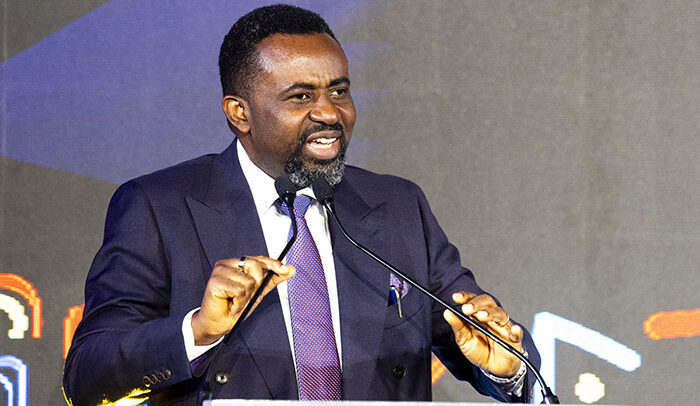
Governor BoG Dr. Johnson Pandit Asiamah
Bank Of Ghana Holds Rate At 14%
0Related Posts
Add A Comment
© 2026 THE NEW REPUBLIC GH.
About | Contact | Privacy Policy