


By Leo Nelson
The Bank of Ghana (BoG) has announced an ambitious plan to transform remittance inflows into a powerful engine for investment and economic growth.
Speaking at the maiden Diaspora Roundtable Programme dubbed “Remit2Invest” in Virginia, USA, BoG Governor Dr Johnson Asiama outlined a strategic shift aimed at redirecting remittances from consumption-driven transfers into structured investment flows.
According to Dr Asiama, this transition is critical to unlocking the full economic potential of remittances. He emphasized that Ghana must move beyond using diaspora funds primarily for household consumption and instead channel them into productive sectors that support long-term development.
“Unlocking this full potential requires a deliberate transition from consumption-driven remittances to investment-oriented diaspora capital flows.”
Driving a New Diaspora Investment Agenda
The Remit2Invest initiative forms part of a broader policy framework designed to position the Ghanaian diaspora as a key driver of national development. The roundtable brought together Ghanaian professionals from Washington D.C., Virginia, and Maryland, along with technical experts, commercial bank representatives, and officials from the Ghana Investment Promotion Authority.
Discussions focused on practical ways to mobilize diaspora capital into sectors such as infrastructure, real estate, fintech, and small and medium enterprises. Participants also explored financial instruments that could make investment pathways more accessible and attractive to Ghanaians living abroad.
Dr Asiama explained that the choice of the DMV area was strategic due to its vibrant Ghanaian community and concentration of highly skilled professionals and entrepreneurs who are well positioned to invest back home.
Remittances Surpassing Foreign Direct Investment
One of the most striking revelations from the BoG Governor was the scale of remittance inflows relative to traditional foreign investment sources. He disclosed that Ghana recorded an estimated 7.8 billion dollars in remittances in 2025, significantly higher than the approximately 2.5 billion dollars in Foreign Direct Investment during the same period. “Remittance inflows remain a cornerstone of Ghana’s external sector,” he noted.
He further highlighted that remittances reached about 4.6 billion dollars in 2024, representing roughly 6 percent of Ghana’s Gross Domestic Product. This trend underscores the growing importance of diaspora contributions to the country’s economic stability and external balance.
Policy Measures to Maximise Impact
To harness this growing financial resource, the Bank of Ghana has introduced several policy measures aimed at improving the efficiency and impact of remittance flows. These include enhancing formal remittance channels, strengthening transparency in the foreign exchange market, and supporting digital cross-border payment systems.
The central bank is also working to improve the quality and reporting of remittance data, which is essential for informed policymaking. In addition, plans are underway to introduce diaspora bonds and structured investment vehicles that will allow Ghanaians abroad to invest in national development projects.
Foreign currency denominated products offered through regulated financial institutions are also being explored as part of efforts to attract and retain diaspora capital.
Leveraging Fintech to Reduce Costs
A key pillar of the BoG strategy is the use of financial technology to make remittance transactions more efficient and affordable. Dr Asiama revealed that the central bank is collaborating with fintech partners to lower transaction costs and improve the speed and security of cross-border payments.
These efforts include the responsible use of digital ledger technologies and tokenisation models, which can enhance transparency and traceability in financial transactions.
“We are working to ensure that when a Ghanaian in Washington or elsewhere decides to invest in Ghana whether in government securities, SMEs, fintech, real estate, or infrastructure the pathway is seamless, credible, and rewarding.”
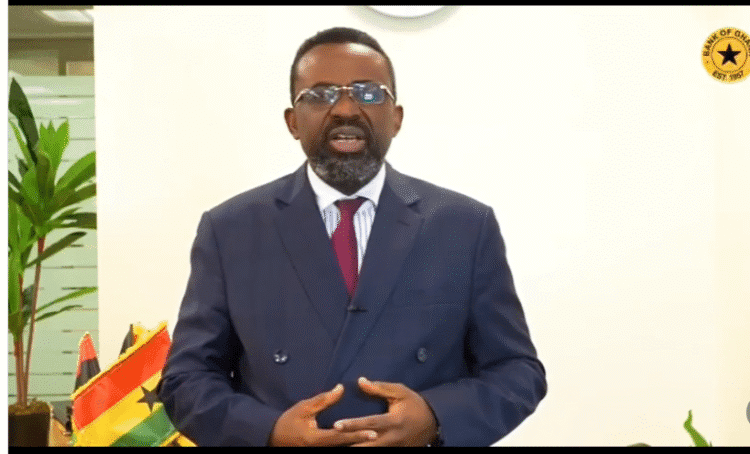
The Governor added that Ghana is drawing lessons from countries such as the Philippines, Mexico, and Kenya, which have successfully implemented structured diaspora investment frameworks.
Diaspora as a Pillar of Economic Transformation
Dr Asiama stressed that the Ghanaian diaspora should not be viewed merely as a source of remittances but as a central pillar of the country’s economic strategy. He called for a shift in mindset that recognizes diaspora members as investors rather than just senders of funds. “The diaspora is not peripheral to our economy it is central to our external stability, investment strategy, and economic transformation agenda,” he emphasized.
“If harnessed effectively, it can become a reliable source of long-term capital, even during crises. We must treat the diaspora as domestic investors abroad, not just external senders.”
Positive Economic Outlook
Beyond the remittance strategy, the BoG Governor expressed optimism about Ghana’s broader economic outlook. He noted that recent policy measures have helped stabilize the macroeconomic environment and restore investor confidence.
According to him, inflation trends are improving, the external sector remains resilient, and the financial system is stable. He also pointed to strengthening gross international reserves, which have improved import cover, and a relatively stable cedi supported by prudent monetary policy and effective liquidity management.
These positive indicators, he said, provide a strong foundation for the successful implementation of the remittance investment strategy.
The Bank of Ghana’s bold initiative to transform remittances into investment capital marks a significant shift in the country’s economic strategy. By leveraging diaspora resources, strengthening financial systems, and embracing innovation, Ghana is positioning itself to unlock new sources of sustainable growth.
If successfully implemented, the Remit2Invest agenda could redefine the role of the diaspora in national development and provide a reliable stream of long-term capital to drive economic transformation.