

By Leo Nelson
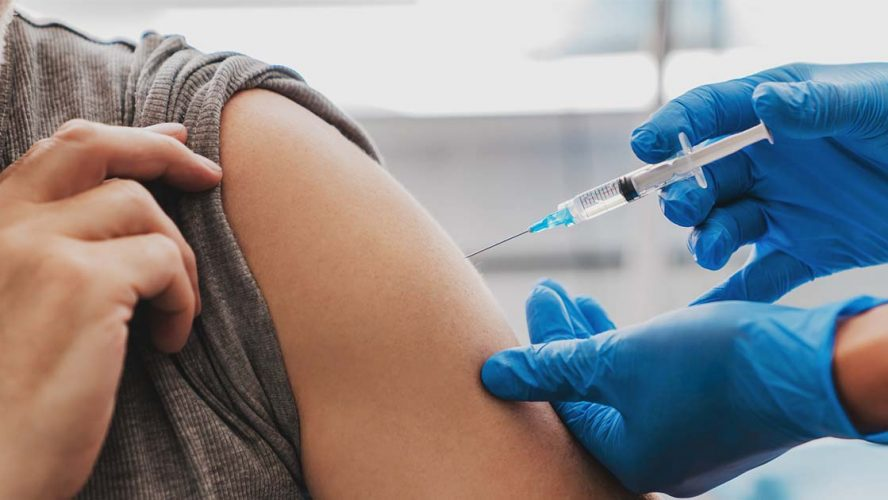
The Government of Ghana says it is taking steps to fully finance vaccines and critical medicines locally beginning January 2030 as support from international health partners gradually winds down.
According to Dr Cassiel Ato Forson, the country is already implementing reforms aimed at strengthening the healthcare system and ensuring sustainable funding for essential medical services.
The Finance Minister disclosed this after holding discussions with World Health Organization Regional Director for Africa, Dr Mohamed Yakub Janabi, on measures to improve Ghana’s healthcare delivery and long term health financing.
According to him, Ghana’s healthcare strategy must now focus not only on increasing life expectancy but also on improving the quality of life for citizens. “I noted that our focus must now go beyond long life to ensuring quality life for our people,” he added.
Health Sector Reforms Intensified
Dr. Forson explained that since 2025, the government has undertaken several reforms aimed at improving healthcare financing and strengthening the operations of the health sector.
According to him, budgetary releases to the health sector have been increased to support healthcare delivery and improve access to essential services across the country.
The Finance Minister also highlighted the government’s decision to uncap the National Health Insurance Levy and ensure that the National Health Insurance Authority receives its full allocations without deductions.
He further explained that the allocations are now ring fenced strictly for health related activities as part of efforts to improve accountability and healthcare outcomes.
The reforms form part of a broader strategy by government to strengthen Ghana’s healthcare financing system ahead of the gradual reduction in donor support for vaccines and medicines.
Dr. Forson revealed that support from the Global Fund for vaccines and critical medicines is expected to wind down by 2029, requiring Ghana to assume full responsibility for financing these essential health supplies.
“As support from the Global Fund for vaccines and critical medicines winds down by 2029, we are taking steps to ensure that, beginning January 2030, Ghana fully budgets for and finances these vaccines and essential medicines”.
The transition is expected to place greater financial responsibility on the government as it works to sustain immunization programmes and ensure continued access to life saving medicines.
Health financing experts have long warned that many African countries remain heavily dependent on donor support for vaccines and disease control programmes, raising concerns about sustainability when international funding declines.
Government officials say Ghana’s preparations are intended to prevent disruptions in vaccine supply and healthcare delivery once external assistance reduces.
Focus on Non Communicable Diseases
Dr. Forson also highlighted growing government attention toward non communicable diseases, which continue to place increasing pressure on Ghana’s healthcare system.
According to him, government is investing in the fight against chronic illnesses through the Ghana Medical Trust Fund and the establishment of specialised units dedicated to treating non communicable diseases.
Non communicable diseases such as cancer, diabetes, cardiovascular diseases, and kidney related conditions continue to account for a rising proportion of deaths across Ghana and the African continent.
The government recently launched the Free Primary Healthcare Programme as part of efforts to expand healthcare access and improve early treatment and disease prevention. “In addition, we recently launched the Free Primary Healthcare Programme,” Dr. Forson added.
WHO Commends Ghana’s Progress
During the discussions, World Health Organization Regional Director for Africa, Dr. Mohamed Yakub Janabi, reportedly commended Ghana for the progress made in strengthening the country’s healthcare system.
The WHO Regional Director also reportedly emphasized the need for African countries to reduce dependence on imported medicines and vaccines by strengthening local pharmaceutical and vaccine manufacturing capacity.
Health policy experts continue to argue that local vaccine and medicine production will become increasingly important as global funding pressures, supply chain disruptions, and public health emergencies continue to affect developing countries.
Long Term Sustainability Remains Key
Government officials maintain that Ghana’s healthcare reforms are aimed at building a more resilient and sustainable health system capable of supporting citizens without excessive dependence on donor funding.
Analysts say the country’s ability to fully finance vaccines and critical medicines after 2030 will depend largely on sustained economic growth, effective revenue mobilisation, and efficient healthcare spending.
The planned transition is expected to become a major test of Ghana’s healthcare financing capacity in the coming years as policymakers seek to balance expanding healthcare access with rising financial demands within the sector.