

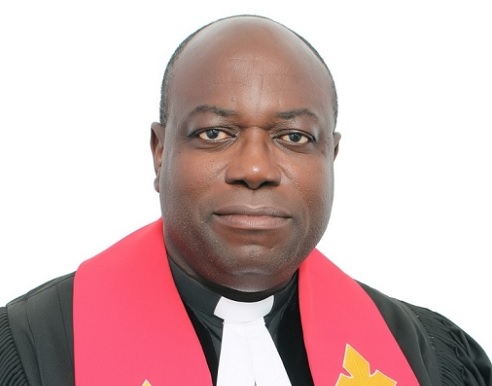
Forgery And Fury in The Presby Church
A bitter internal war has erupted within the Hope Congregation, Nima, of the Presbyterian Church of Ghana (PCG), with a faction of members demanding the immediate removal of their District Minister, Reverend Desmond Nai.
The petitioners accuse the pastor of forging a church treasurer’s signature to alter official bank signatories, initiating retaliatory actions against critics, and weaponising the police, in a scandal that threatens the integrity of one of the nation’s most respected denominations.
The formal petition to the Ga Presbytery levels grave allegations of financial misconduct and authoritarian leadership. The central claim is that Rev. Nai illicitly changed the congregation’s bank mandate by forging the signature of the treasurer, Mr. Teddy Nii Ankama.
According to the aggrieved members, this was not an isolated act but part of a pattern of intimidation. They allege Rev. Nai subsequently attempted to have Mr. Ankama dismissed from his secular employment, complaining to his employers that the treasurer was “frustrating his ministership.”
“It was there that the members saw the illegal money withdrawals,” the petition states, suggesting the forgery facilitated unauthorised access to church funds.
The document further accuses Rev. Nai of bypassing internal ecclesiastical discipline by repeatedly filing “trivial” complaints against congregants at the Nima Police Station, treating the station “as his second Mission House.”
This, they argue, has sown fear, division, and a corrosive breakdown of trust within the congregation, directly contradicting the church’s fellowship principles.
The petitioners are now urging the Presbytery to invoke the PCG’s constitution to launch disciplinary proceedings. They frame the crisis as a fundamental test of the church’s commitment to its own values, calling for an investigation to restore “accountability, and trust.” Their appeal underscores a desire for leadership that embodies “Christian humility, respect, and transparency.”
When contacted by The New Republic, Rev. Nai could not be reached for comment. The response from the Ga Presbytery Chairman, Rev. Col. David Adoteye-Asare, was revealing. He refused to engage, stating, “I don’t want to discuss the matter; this is strictly a church issue.
The last time I spoke to a journalist about this, I was recorded live on radio. Therefore, I’m sorry, but I don’t trust any journalist to address this issue.”
This defensive posture from senior church authority highlights the institution’s acute sensitivity to public scandal.
The case presents a severe challenge to the PCG’s governance structures. It forces a choice between a private, internal resolution and a transparent process that could reassure a disillusioned congregation.
The outcome will signal whether the church’s disciplinary mechanisms are robust enough to handle allegations of forgery and abuse of power within its own ranks, or if such matters will remain shrouded behind a wall of institutional silence.