


By Leo Nelson
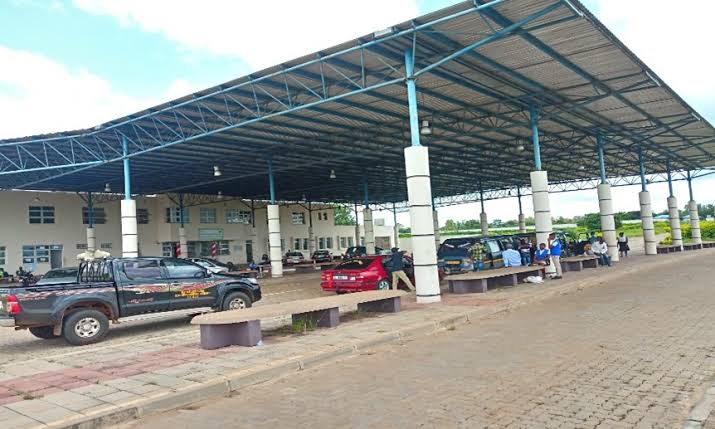
In a move that has solidified the mechanics of regional integration, the Minister for Trade, Agribusiness and Industry, Elizabeth Ofosu-Adjare, led a high-powered Ghanaian delegation to the Akanu-Noepe Joint Border Post to eliminate the bureaucratic bottlenecks that have historically stifled the West African transport corridor.
According to the Minister of Trade, Agribusiness and Industry (MoTAI), partnering with her Togolese counterpart, Badanam Patoki, Minister for Economy and Strategic Monitoring, Ofosu-Adjare secured a bilateral commitment to border security between the two countries.
This high-stakes ministerial meeting and subsequent handing-over ceremony served as the definitive launchpad for a new era of cross-border efficiency. The engagement, which received strategic backing from TradeMark Africa, was not merely a diplomatic courtesy but a rigorous operational audit of the joint border facility.
“Efficient border management is crucial to reducing trade bottlenecks, lowering the cost of doing business, and strengthening regional trade under the African Continental Free Trade Area framework. Ghana remains committed to working closely with its Togolese counterparts to streamline customs procedures”
The primary subject of the deliberations was the immediate deployment of modern digital systems and the harmonization of customs procedures to ensure that the “24-Hour Economy“ does not stop at the border.
For the government, the Akanu-Noepe facility represents the primary artery for the Accelerated Export Development programme, with its optimization framed as a non-negotiable prerequisite for national industrial growth.
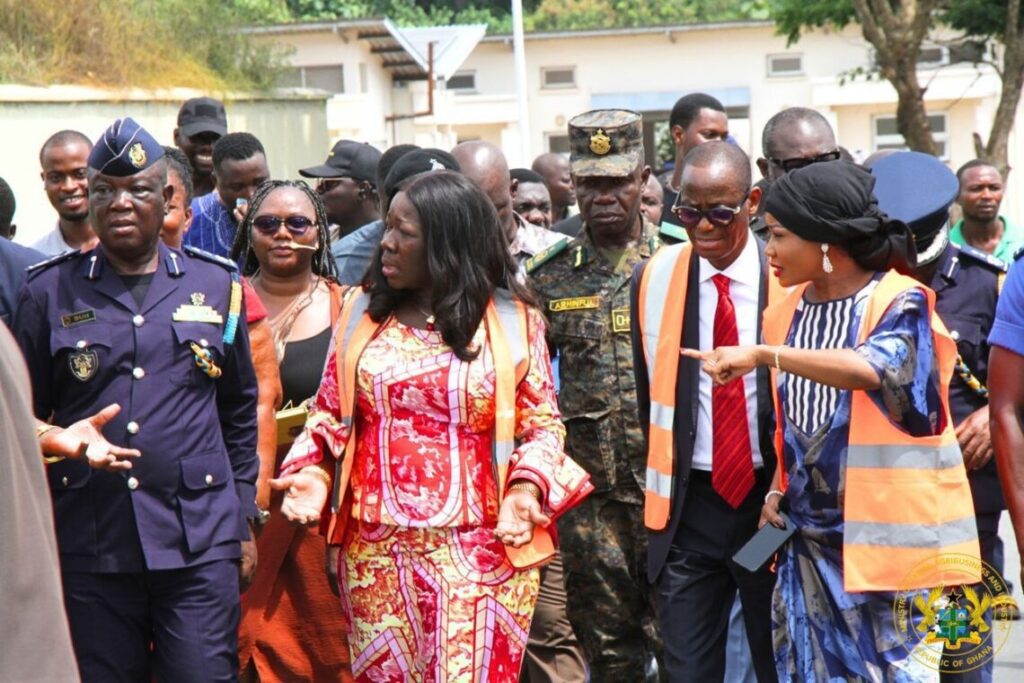
The Ministerial meeting addressed the long-standing grievances of traders who have faced delays, high costs, and inconsistent inter-agency coordination at the strategic crossing. Minister Ofosu-Adjare made it clear that the status quo of “stop-and-start,” trade was no longer compatible with Ghana’s industrial ambitions.
She urged both governments to move towards synchronizing their border management agencies, ensuring that security, health, and customs checks are conducted in a unified, time-sensitive manner by focusing on the Akanu-Noepe Joint Border Post.
Ofosu-Adjare noted that this structural reset is particularly critical for the Agribusiness sector, as perishable goods, which form a significant portion of the cross-border trade between Ghana and Togo, have frequently suffered from the lack of coordinated clearance systems.
The Minister highlighted that the deployment of modern digital systems would accelerate the clearance of goods, thereby reducing post-harvest losses and ensuring that Ghanaian farmers can access the Togolese and broader regional markets with zero friction. The symbolic handing-over ceremony held at the border served as the formal start of this integrated operational phase.
A pivotal outcome of the engagement was the explicit focus on the protection and empowerment of small-scale traders, with a specific emphasis on women. Hon. Ofosu-Adjare expressed her profound appreciation to TradeMark Africa for enhancing the border facilities to accommodate the unique needs of these traders.
In the past, the lack of adequate facilities and the complexity of customs procedures disproportionately affected women, who dominate the informal but high-volume cross-border trade. However, streamlining these processes and improving the physical infrastructure, will effectively formalize a massive sector of the economy.
This alignment ensures that small and medium-sized enterprises (SMEs) can finally reap the benefits of the African Continental Free Trade Area (AfCFTA).
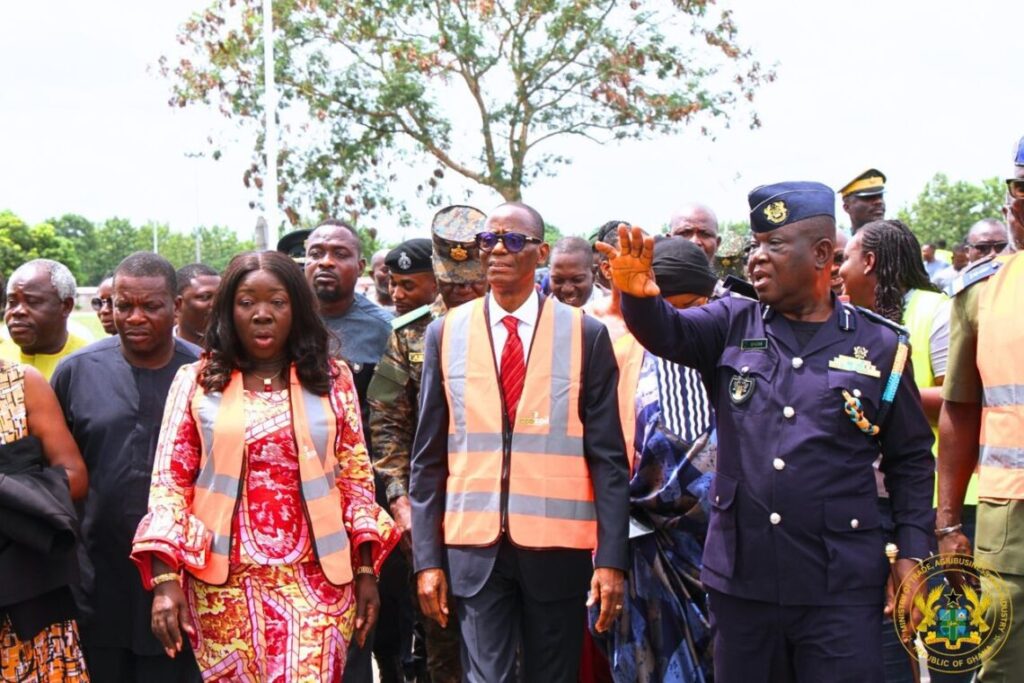
The Togolese Minister, Badanam Patoki, echoed this sentiment, noting that the harmonized procedures would create unprecedented economic opportunities for SMEs, turning the corridor into a thriving commercial zone rather than just a transit point.
MoTAI noted that the meeting concluded with a strict deadline for technical execution, as the joint border team – comprised of officials from both nations – was given a two-week ultimatum to submit a comprehensive set of recommendations to the two sector Ministers.
These recommendations will cover the long-term management and maintenance systems required to keep the facility at peak performance. Minister Ofosu-Adjare’s insistence on this timeline reflected the urgency of the Accelerated Export Development agenda, reiterating that the goal is to have a “fully functional, digital-first management system approved and operational before the next quarter.”
This will include the integration of inter-agency coordination protocols that prevent the duplication of tasks, which has been a primary source of delay in the past. The Akanu-Noepe facility is now positioned to become the model for all other joint border posts across the West African sub-region.
As the delegations departed the border, the strategic weight of the agreement became evident. The Akanu-Noepe Joint Border Post is no longer just a physical structure but a cornerstone of a broader bilateral strategy to dominate the regional trade landscape.
By securing this deal, Minister Ofosu-Adjare has ensured that Ghanaian goods moving toward Togo, Benin, and Nigeria will encounter fewer hurdles and lower costs.