

…Tema, Ashaiman, others bear brunt of supply shortages
By Prince Ahenkorah
The Ghana Water Limited (GWL) says additional investment in desalination infrastructure has become necessary to restore reliable water supply to eastern Accra, where residents have endured severe shortages for months following the shutdown of the Teshie desalination plant in late 2025.
Head of Public Relations and Communications at GWL, Stanley Martey, said the closure had widened the gap between water demand and supply, leaving the Weija and Kpong treatment plants to serve the entire Accra metropolis.
“There is a gap between demand and supply. In Accra, the situation is worsened because the desalination plant was shut down in the latter part of last year, 2025. We have had to serve the entire Accra with the other two sources; the Weija treatment plant and the Kpong treatment plant,” Martey told Star News.
He explained that the two remaining treatment plants were already struggling to meet demand before the desalination facility went offline, adding that the shutdown had placed additional pressure on the water distribution network.
According to him, GWL has been forced to redistribute limited supplies from the Kpong treatment plant to communities that previously depended on the desalination facility, worsening shortages in parts of eastern Accra.
“The situation in the Tema area is a bit worsened. The only way to bridge this gap is to do an equitable distribution of the little water that flows into the system from Kpong. We have development plans to increase capacity, and everything possible is being done to increase that capacity,” he said.
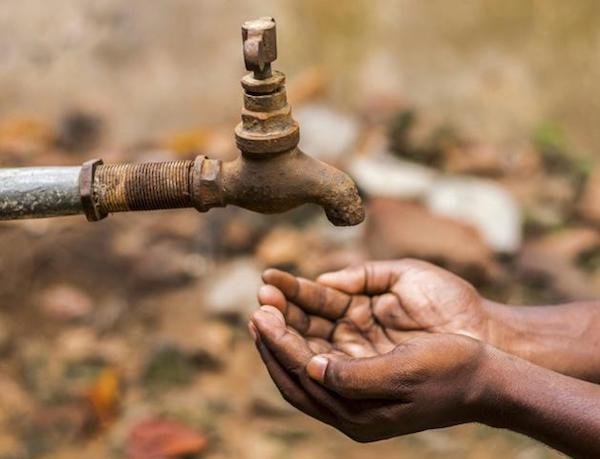
Communities in Tema, Ashaiman and surrounding areas have experienced persistent water scarcity, disrupting daily activities and increasing pressure on households that depend on a reliable supply for domestic use.
Martey maintained that expanding desalination infrastructure would be critical to addressing the shortfall and stabilising water supply to affected communities.
He said additional investment in water production capacity formed part of the long-term measures needed to close the gap between demand and supply.