

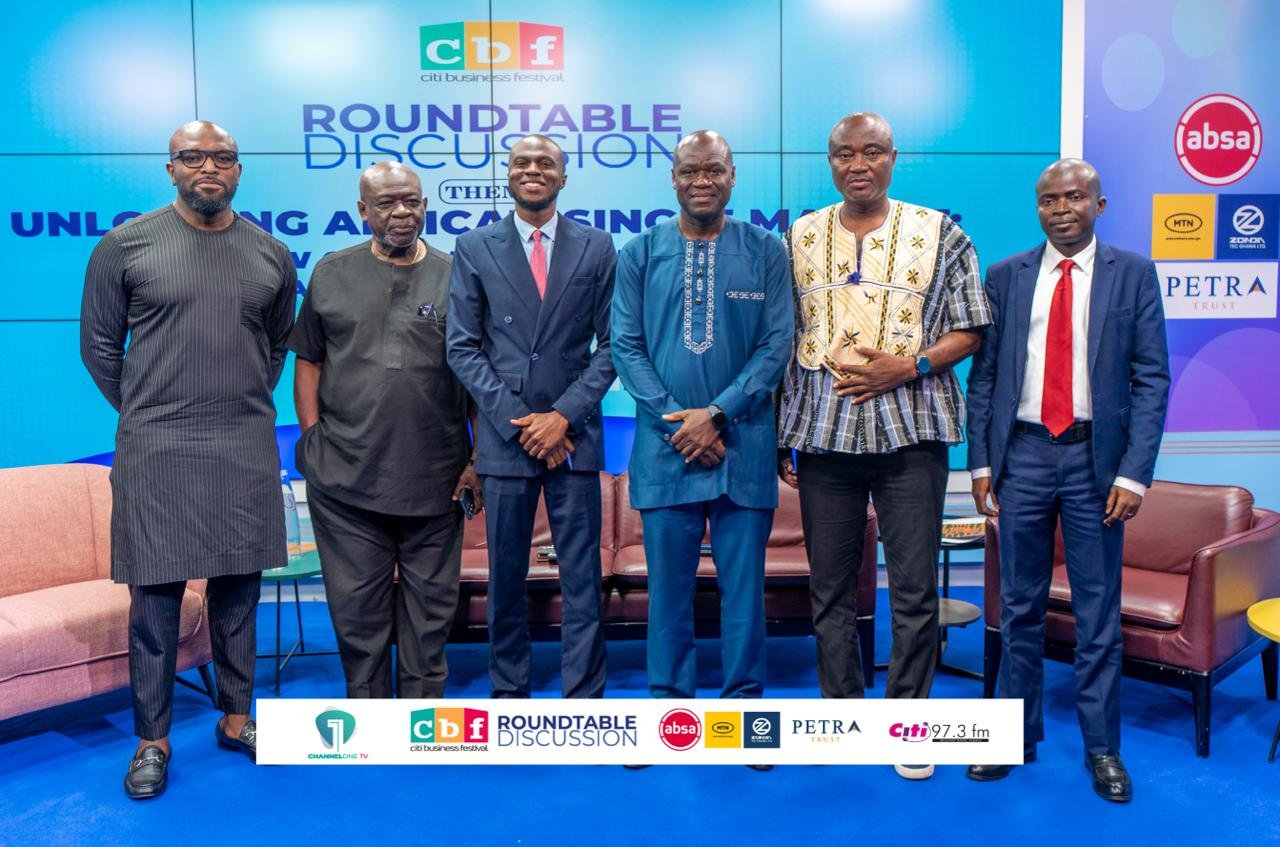
Panellists of the first Roundtable Discussion of the 2026 Citi Business Festival, have made a strong case for African countries to deepen trade among themselves and accelerate industrialisation continent is to retain more of its wealth and unlock the full benefits of the African Continental Free Trade Area (AfCFTA).
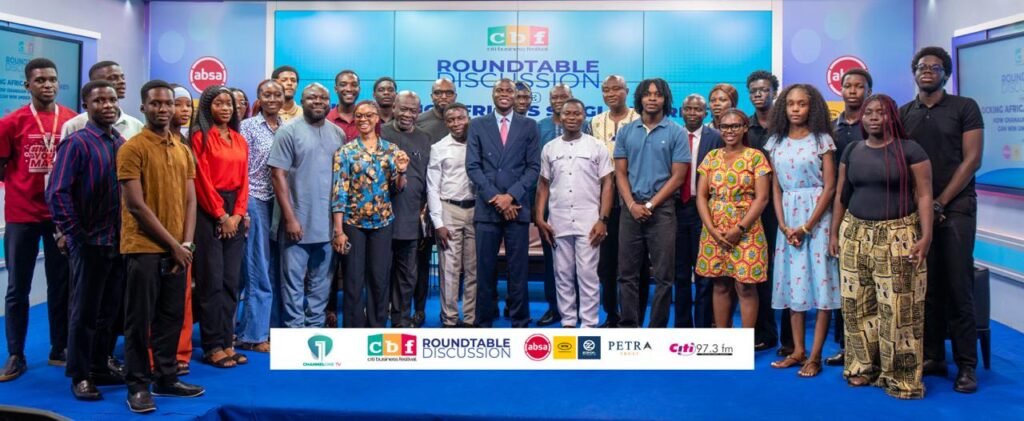
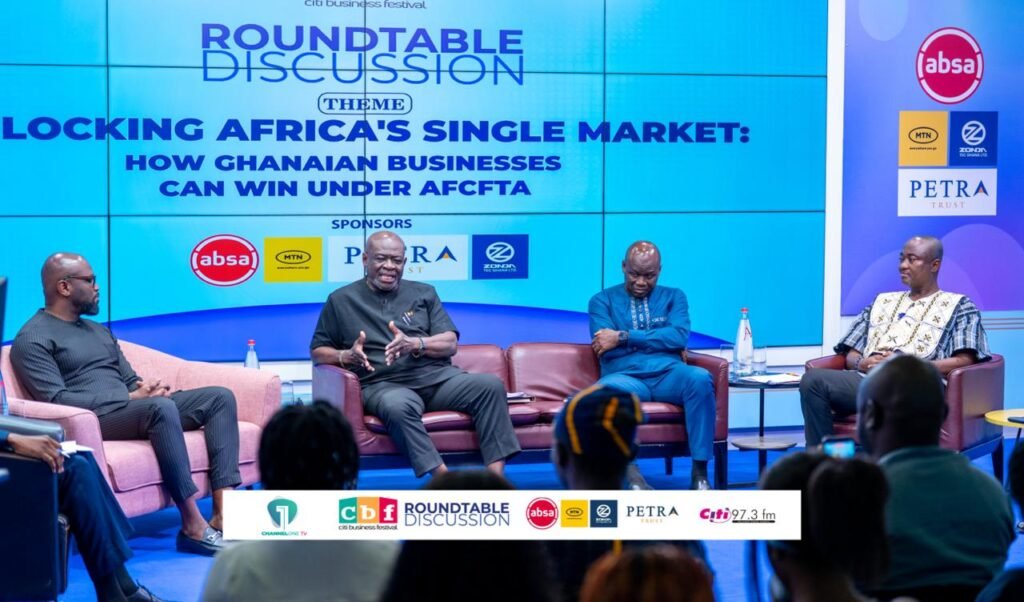
The Roundtable Discussion brought together policymakers, business leaders and trade experts who examined how Ghanaian businesses can position themselves to compete within Africa’s integrated market of more than 1.4 billion people.
Senior Technical Advisor on AfCFTA Implementation Committees, Dr. Fareed Arthur, said the agreement has moved beyond the negotiation stage, stressing that implementation should now be the primary focus.
“The important thing to note is that most of these agreements have now been negotiated up to about 96%. So of course there will always be some negotiation going on. Even WTO for 30 years is still negotiating issues and so trade negotiations never end. It’s an ongoing thing.”
Despite progress in establishing the continental trade framework, Chief Executive Officer of the Ghana National Chamber of Commerce and Industry (GNCCI), Mark Badu-Aboagye, argued that inconsistent industrial policies continue to undermine Africa’s competitiveness and limit the growth of intra-African trade.
According to him, trade among African countries remains significantly below levels recorded in Asia and Europe, largely because many economies continue to rely on exporting raw materials rather than developing strong manufacturing sectors.
“We have become a reference point for de-industrialisation. We progress but every government wants to undo the previous government. So you start an industrial policy, the next government comes, it throws away the industrial policy. The biggest challenge we are facing is industrialisation. For me, it’s not only the cost of production, but it’s a lack of continuity in industrial policy. If we don’t resolve that, we cannot industrialise. We will continue to produce and export raw materials and the African trade will still be low.”
Chief Export Development Officer at the 24-Hour Economy Secretariat, Gabriel Opoku-Asare, said government is pursuing targeted interventions aimed at removing key bottlenecks to industrial growth and boosting Ghana’s productive capacity.
“That is where 24-hour economy is at the second pillar, which is looking at the productive economy. So 24-hour, our goal is to create 1.7 million jobs by 2028 and with that, double manufacturing share of GDP from the 10% to 20%. We’ve made some progress. It’s not all talk. Over the last 90 days, we’ve signed four bankable projects. Number one being power, because power is the foundation for industrialisation.”
Acting Head of the National AfCFTA Coordination Office, Benjamin Asiam, urged businesses to take advantage of the opportunities presented by the continental trade agreement, noting that Africa has historically failed to maximise value from its natural resources.
“Africa has been exporting raw materials to the rest of the world over a long period of time and we are not benefiting. So this opportunity is a very critical one.”
Financial institutions, meanwhile, signalled readiness to support businesses seeking to expand across the continent.
Head of Trade and Working Capital at Absa Bank Ghana, Emmanuel Mensah, said access to finance remains available for viable enterprises looking to leverage AfCFTA opportunities.
“It is important that before we get to the stage of financing, how sustainable are these businesses if they want to tap into AfCFTA’s opportunities. But I must say that in terms of funds availability, yes, there are funds that are available to support businesses. However, we need to ensure that the business plan, the business model is viable and sustainable.”
The discussion, held under the theme, “Unlocking Africa’s Single Market: How Can Ghanaian Businesses Win Under AfCFTA?”, highlighted both the opportunities presented by the trade pact and the structural challenges that continue to constrain intra-African trade.
The 2026 Citi Business Festival is powered by Citi FM and Channel One TV in partnership with Absa Bank, and sponsored by Absa Bank, MTN Ghana, Zonda Tec Ghana Limited and Petra Trust.
By: Emmanuel Oppong