

By Leo Nelson
As Ghana marks 69 years of independence, the nation’s long-standing aspiration for sustained economic stability remains intertwined with the complex dynamics of governance, policy choices, and institutional leadership.
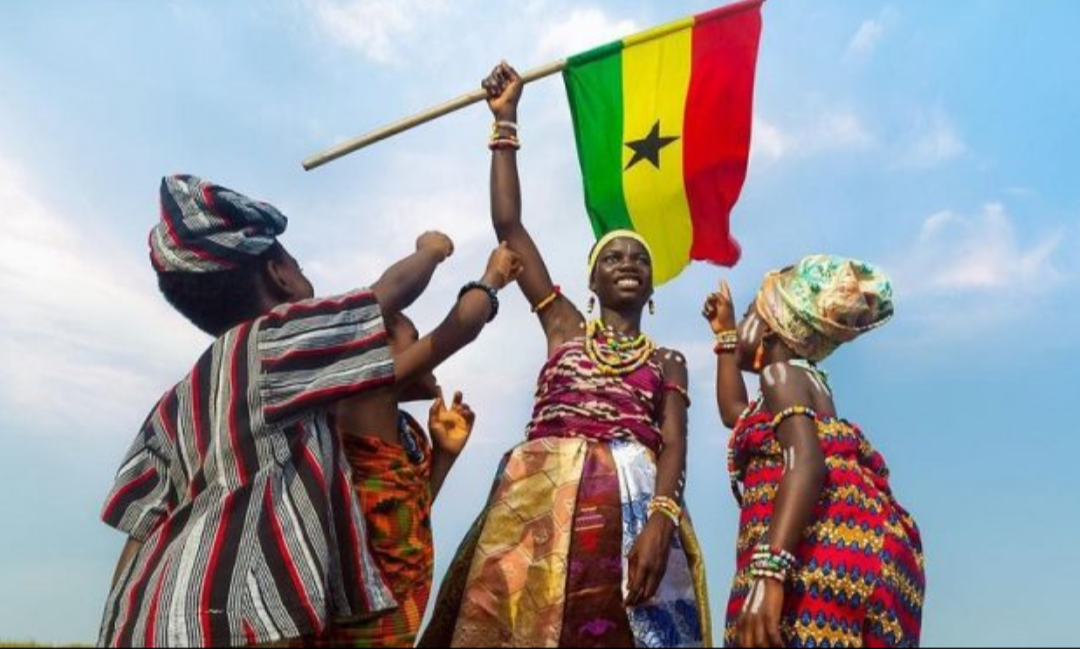
On March 6, 1957, Ghana—under the leadership of Kwame Nkrumah—became the first sub-Saharan African country to break free from colonial rule. That historic moment sparked hope across the continent and laid the foundation for a sovereign state determined to chart its own economic destiny.
Nearly seven decades later, Ghana has achieved significant milestones in democratic governance and economic development. However, recurring fiscal challenges, rising public debt, and governance-related concerns continue to shape the country’s economic trajectory.
The Promise and the Reality
Over the years, Ghana has implemented numerous economic reforms aimed at stabilising the economy and promoting growth. From structural adjustment programmes in the 1980s to contemporary fiscal consolidation measures, successive governments have attempted to balance economic expansion with fiscal discipline.
Despite these efforts, the country’s economy has often been vulnerable to external shocks, commodity price fluctuations, and domestic governance challenges. Ghana’s heavy reliance on exports such as cocoa, gold, and crude oil has exposed it to volatility in global markets.
Institutions such as the International Monetary Fund have periodically stepped in to support the country through economic recovery programmes. While these interventions have helped restore macroeconomic stability at different points, they have also sparked debate about the sustainability of Ghana’s economic management strategies.
Governance and Economic Management
Analysts say the quest for economic stability cannot be separated from the broader issues of governance, transparency, and accountability. The effectiveness of public financial management, anti-corruption measures, and long-term policy planning are often cited as critical factors influencing Ghana’s economic resilience.
Political transitions between the two dominant parties—the New Patriotic Party and the National Democratic Congress—have sustained Ghana’s reputation as a stable democracy. Yet critics argue that policy discontinuity, election-driven spending, and short-term economic decisions sometimes undermine long-term fiscal stability.
Economists frequently point to the need for stronger institutions capable of enforcing fiscal discipline regardless of political cycles. Without such safeguards, they warn, economic policies may continue to fluctuate with changes in government.
Debt, Inflation, and Living Costs
In recent years, Ghana has faced one of its most severe economic crises since the return to constitutional rule in 1992. Rising debt levels, currency depreciation, and high inflation placed significant pressure on households and businesses. Government’s domestic debt restructuring programme and fiscal reforms—undertaken in collaboration with the International Monetary Fund—have aimed to restore confidence in the economy.
While some macroeconomic indicators are showing gradual improvement, the impact of austerity measures continues to be felt by ordinary citizens.
For many Ghanaians, the true measure of economic stability lies not only in national statistics but also in everyday realities such as employment opportunities, affordable food prices, and access to social services.
The Path Forward
As the country reflects on nearly seven decades of independence, policy experts are increasingly advocating a renewed focus on economic diversification, industrialisation, and value addition. Reducing dependence on raw commodity exports, strengthening local manufacturing, and investing in technology-driven sectors are widely seen as essential steps toward long-term economic resilience. Equally important, analysts argue, is the strengthening of governance institutions to ensure transparency, fiscal responsibility, and continuity in national development policies.
A Nation Still in Pursuit
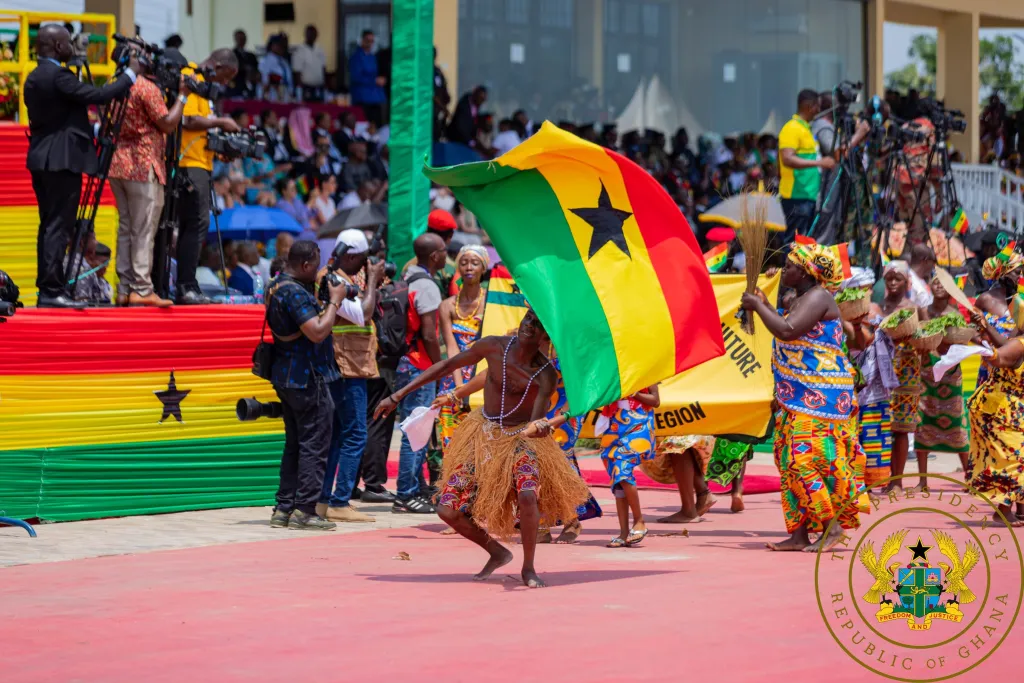
Ghana’s independence anniversary remains both a celebration of past achievements and a moment of sober reflection. The ideals that inspired the country’s founding leaders—self-determination, prosperity, and dignity—continue to guide national aspirations.
As the nation moves toward its 70th year of independence, the central question persists: can Ghana successfully align strong governance with sound economic management to deliver lasting prosperity for its citizens?
For many observers, the answer will determine whether the promise envisioned in 1957 can finally translate into enduring economic stability.