

Nearly 4 in 5 Are Undiagnosed, 250,000 Ghanaian Adults are Living with Diabetes
By Philip Antoh
An estimated 78.7% of Ghanaians living with diabetes are unaware they have the disease, meaning nearly four out of every five persons with diabetes in the country are undiagnosed, a figure equivalent to roughly 250,000 adults.
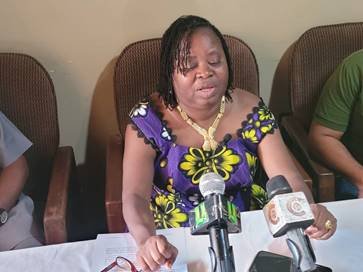
The alarming revelation headlined the official launch of World Diabetes Day 2026 in Ghana by the President of the National Diabetes Association, Ghana, Mrs. Elizabeth Denyoh, held under the theme: “Early Action on Diabetes Know Your Risk, Know Your Numbers, Act Now.” World Diabetes Day is marked every year on November 14.
Global and African Picture
Quoting from the International Diabetes Federation (IDF) 11th Edition, the Assistant to the IDF Chair, Mr. Bright Ayikutu, said 589 million adults aged 20–79 worldwide are living with diabetes, a number projected to reach 853 million by 2050.
“Even more worrying, about 252 million adults living with the disease do not know they have it.”
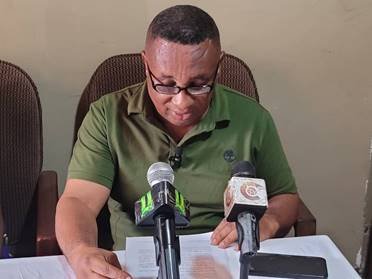
“They are walking among us. They are in our homes, our churches, our mosques, our marketplaces, and yes, possibly in this very gathering. Undiagnosed. Untreated. Unaware — until a stroke, a heart attack, kidney failure, blindness, or an amputation announces what a simple blood test could have revealed years earlier,” he said.
A further 635 million adults are already at high risk of developing type 2 diabetes, while global spending on diabetes has climbed past $1 trillion a year representing about 12% of all global health spending.
In Africa, an estimated 24.6 million adults were living with diabetes in 2024, representing a prevalence of about 5%. The continent’s numbers are projected to rise by 142% to nearly 60 million by 2050, making it the fastest growth of any region on earth.
Most devastatingly, 72.6%, or about 17.9 million Africans with diabetes, remain undiagnosed the highest proportion of any IDF region.
“Africa is not merely catching up with the global diabetes epidemic. In relative terms, it is accelerating fastest,” Mr. Ayikutu said, blaming the trend on young populations, rapid urbanisation, changing diets, limited screening capacity, and health systems still focused more on infectious diseases.
The Ghanaian Reality
In Ghana, IDF estimates indicate that 317,400 adults about 2.7% of adults aged 20–79, or roughly one in every 37 adults are living with diabetes. By 2050, that number is projected to exceed 800,000 unless the country acts decisively now.
A survey in Ga Mashie reported diabetes in 8.2% of adults aged 25 and above, alongside very high rates of central obesity, while another study reported overall prevalence approaching 8.8% and pre-diabetes at 14.5%.
About 1.7 million Ghanaian adults are also said to already have impaired glucose tolerance, placing them at elevated risk of progressing to type 2 diabetes.
“Behind every one of these statistics is a name, a family, a breadwinner, a child. Diabetes is no longer a disease of the rich or the elderly. It is a disease of the market woman in Makola, the trotro driver in Kumasi, the teacher in Tamale, the fisherman in the Volta, and increasingly, the young person in secondary school or tertiary institution,” Mr Ayikutu said.
Know Your Numbers
He explained that early action means every Ghanaian adult especially those above 35, those with a family history, those overweight or obese, women who had diabetes in pregnancy, and anyone with high blood pressure should know their numbers.
“A blood glucose test takes minutes and costs little, yet it can save your limbs, your sight, your kidneys, your life,” he emphasised.
Together with the Ghana Health Service, the Ministry of Health and development partners, the Association will offer free and subsidised screening in communities across the country during the commemoration.
“Come out. Be tested. Bring a friend. Bring your workplace. Bring your congregation,” she urged.
For those diagnosed, he noted that diabetes is manageable with early treatment, healthy eating rooted in wholesome local foods, regular physical activity and faithful use of medication, including insulin, which remains essential for everyone with type 1 diabetes.
“No child in Ghana should die because insulin was unavailable or unaffordable. No adult should lose a foot because a wound was ignored or because blood sugar was never checked,” he stressed.
Policy Appeals
Mr. Ayikutu appealed to government and policymakers to stop working in isolation without engaging civil society. “We cannot get anywhere with our fight against diabetes if we continue in that tangent,” he said.
He urged investment in screening and care at the primary healthcare level, the availability of affordable essential medicines including insulin and oral anti-diabetic drugs, firm regulation of unhealthy food marketing especially to children and the integration of non-communicable disease services into the National Health Insurance Scheme.
The Assistant IDF Chair added that WHO global target of having 80% of people with diabetes diagnosed by 2030 must guide Ghana’s national planning.
The IDF Africa Chairperson, Dr. Mrs. Elizabeth Esi Denyoh called on the government to provide incentives to healthcare workers to stay in the country and help transform the health system.
“Let no opportunity pass, every outpatient visit, every antenatal clinic, every workplace health day is a chance to check a blood sugar,” she accentuated.
Dr. Denyoh urged religious and traditional bodies and employers to incorporate wellness checks into their collective culture, organise health screenings and speak against the stigma and harmful myths that diabetes is caused by witchcraft or that insulin is only for severely ill patients.
She also advocated for fruits to be included in school feeding programmes and encouraged the media to become ‘partners in saving lives.’
“Diabetes does not wait. Complications do not send polite warnings. But the good news is that early action works. Early diagnosis works. Timely treatment works. Prevention works,” he asserted.
Exodus of Diabetes Educators
Meanwhile, Dr. Denyoh has raised concerns over the continuous departure of trained diabetes educators from Ghana, blaming poor remuneration and inadequate incentives for the situation.
She noted that Ghana continues to invest in training diabetes educators, only for many of them to leave the country in search of better-paying opportunities abroad.
According to her, the absence of a clearly stipulated remuneration structure for diabetes educators on the national payroll makes the profession unattractive and undermines efforts to retain skilled personnel.
She warned that the situation threatens the country’s ability to provide adequate education, counselling and support for people living with diabetes, stressing that diabetes education is an essential component of treatment, as patients require continuous guidance on medication, nutrition, lifestyle changes and the prevention of complications.
She urged the government to prioritise the retention of trained health professionals as part of a broader strategy to strengthen diabetes care, emphasising that Ghana must move beyond annual awareness activities and make diabetes prevention and management a continuous national priority.