

as Ghana Nears IMF Exit
By Gifty Boateng
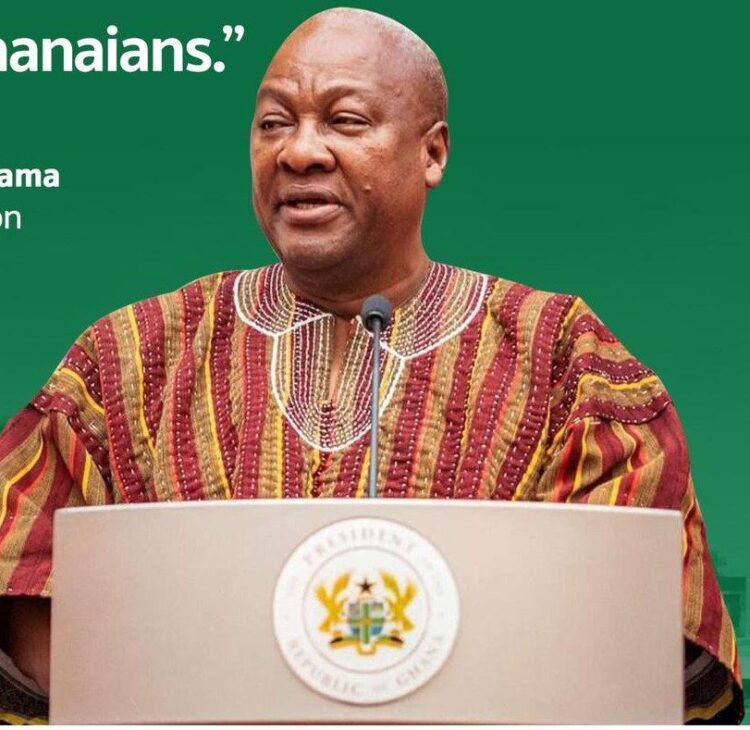
President John Dramani Mahama has served notice that Ghana’s impending departure from the International Monetary Fund (IMF) programme will be a low-key affair, pointedly distancing his administration from the celebratory excesses of the past.
Addressing a presidential dialogue with Organised Labour on Tuesday, Mahama stated that the exit, expected around June, would be marked with nothing more than a formal announcement.
In remarks laden with subtext for his own team, the President cautioned against any triumphalism, joking that emerging from a Fund programme should not be equated with completing a prison sentence.
“We are not going to hold kenkey parties and waakye parties,” he declared, in a clear, albeit unnamed, reference to the previous NPP administration.
In 2019, then-Finance Minister Ken Ofori-Atta, now in self-imposed exile in the United States, hosted a lavish ‘kenkey and waakye’ party at the ministry to celebrate Ghana’s exit from a previous IMF deal a move that drew sharp criticism from the public and the opposition, including Mahama’s own National Democratic Congress (NDC).
The President’s message was a direct signal to his appointees, including Chief of Staff Julius Debrah and Finance Minister Dr. Cassiel Ato Forson, who were present. He stressed that the government’s focus will remain on “maintaining fiscal discipline” and ensuring economic stability, not on staging parties.
This austere approach is designed to contrast sharply with the perceived profligacy of the Akufo-Addo administration and to reassure both domestic stakeholders and international partners of the NDC government’s commitment to prudent economic management.
Mahama framed the exit as a transition, not an end to fiscal rigour. “We think that maintaining fiscal discipline and making sure that the economy remains stable is in the interest of everyone,” he told the labour leaders. “We just announce that we have come out of the IMF. But we will still maintain fiscal and monetary discipline.”
The President also used the platform to underline his administration’s commitment to transparency, a theme central to his “Resetting Ghana” agenda.
He promised that the government would present the ‘true state of the economy’ to stakeholders, moving away from a period where, he implied, statistical discrepancies were rife.
“Today we will show what the size of the national cake is before we all decide how we share,” he explained, seeking to build trust with key constituencies like Organised Labour.
The timeline for the exit was first flagged by Mahama in February at a business dialogue in Lusaka, Zambia, where he cited a dramatic turnaround in key indicators.
He pointed to inflation plummeting from over 23% at the end of 2024 to 3.8% in January 2026, and a 32% appreciation of the cedi, making it one of the world’s best-performing currencies. These figures, he argued, are a direct result of sustained fiscal reforms and a successful debt restructuring that has allowed the government to “invest in people, not just to service loans.”
The underlying message from the Flagstaff House is clear: this exit will be handled with the dignity of a partner, not the fanfare of a supplicant, and any appointee tempted to stage a ‘waakye party’ to mark the occasion has been warned.